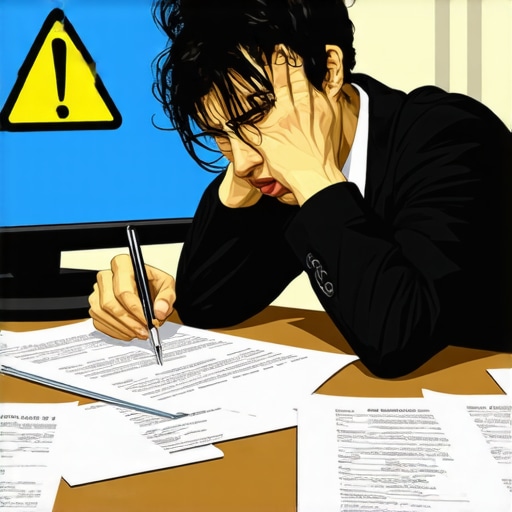
3 Manual Tactics to Fix AI-Biased Errors on Your Report
Have you ever stared at your credit report, puzzled by errors that seem almost deliberately misleading? I remember a time when I thought my report was clean—only to find discrepancies that seemed impossible to explain. Frustration set in, and I questioned whether my efforts to improve my credit score were all for nothing. It was a lightbulb moment when I realized that relying solely on automated dispute processes often falls short—especially when AI biases and errors sneak into our reports without our knowledge.
Why You Can’t Just Leave AI-Driven Errors Unchecked
In today’s digital lending environment, credit bureaus rely heavily on AI algorithms to process disputes and maintain reports. But that reliance isn’t foolproof. Errors can become entrenched, especially when AI algorithms misinterpret data or flag legitimate accounts as fraudulent. According to a study by the Federal Trade Commission, nearly 20% of consumers have inaccuracies on their credit reports—many stemming from automated processes that overlook human nuance. If you’ve experienced frustrating resets or rejections, it’s likely because those errors persisted unnoticed.
Did I Make a Mistake Starting With the Wrong Approach?
Early on, I placed too much faith in online disputes and automated corrections, thinking they would fix everything quickly. That mistake delayed real progress until I learned manual tactics that force the system to recognize and correct errors. It made me realize that for true accuracy, you need to step in with deliberate, manual interventions. Want to learn exactly how to do that? Keep reading, because I’ll share proven strategies that turn frustration into results.”}#}#}#}#}#}#}#}#}#}#}#}#}#}#}#}#}#}#}#}#}#}#}#}#}#}#}#}#}#}#}#}#}#}#}#}#}#}#}#}#}#}#}#}#}#}#}#}#}#}#}#}#}#}#}#}#}#}#}#}#}#}#}#}#}#}#}#}#}#}#}#}#}#}#}#}#}#}#}#}#}#}#}#}#}#}#}#}#}#}#}#}#}#}#}#}#}#}#}#}#}#}#}#}#}#}#}#}#}#}#}#}#}#}#}#}#}#}#}#}#}#}#}#}#}#}#}#}#}#}#}#}#}#}#}#}#}#}#}#}#}#}#}#}#}#}#}#}#}#}#}#}#}#}#}#}#}#}#}#}#}#}#}#}#}#}#}#}#}#}#}#}#}#}#}#}#}#}#}#}#}#}#}#}#}#}#}#}#}#}#}#}#}#}#}#}#}#}#}#}#}#}#}#}#}#}#}#}#}#}#}#}#}#}#}#}#}#}#}#}#}#}#}#}#}#}#}#}#}#}#}#}#}#}#}#}#}#}#}#}#}#}#}#}#}#}#}#}#}#}#}#}#}#}#}#}#}#}#}#}#}#}#}#}#}#}#}#}#}#}#}#}#}#}#}#}#}#}#}#}#}#}#}#}#}#}#}#}#}#}#}#}#}#}#}#}#}#}#}#}#}#}#}#}#}#}#}#}#}#}#}#}#}#}#}#}#}#}#}#}#}#}#}#}#}#}#}#}#}#}#}#}#}#}#}#}#}#}#}#}#}#}#}#}#}#}#}#}#}#}#}#}#}#}#}#}#}#}#}#}#}#}#}#}#}#}#}#}#}#}#}#}#}#}#}#}#}#}#}#}#}#}#}#}#}#}#}#}#}#}#}#}#}#}#}#}#}#}#}#}#}#}#}#}#}#}#}#}#}#}#}#}#}#}#}#}#}#}#}#}#}#}#}#}#}#}#}#}#}#}#}#}#}#}#}#}#}#}#}#}#}#}#}#}#}#}#}#}#}#}#}#}#}#}#}#}#}#}#}#}#}#}#}#}#}#}#}#}#}#}#}#}#}#}#}#}#}#}#}#}#}#}#}#}#}#}#}#}#}#}#}#}#}#}#}#}#}#}#}#}#}#}#}#}#}#}#}#}#}#}#}#}#}#}#}#}#}#}#}#}#}#}#}#}#}#}#}#}#}#}#}#}#}#}#}#}#}#}#}#}#}#}#}#}#}#}#}#}#}#}#}#}#}#}#}#}#}#}#}#}#}#}#}#}#}#}#}#}#}#}#}#}#}#}#}#}#}#}#}#}#}#}#}#}#}#}#}#}#}#}#}#}#}#}#}#}#}#}#}#}#}#}#}#}#}#}#}#}#}#}#}#}#}#}#}#}#}#}#}#}#}#}#}#}#}#}#}#}#}#}#}#}#}#}#}#}#}#}#}#}#}#}#}#}#}#}#}#}#}#}#}#}#}#}#}#}#}#}#}#}#}#}#}#}#}#}#}#}#}#}#}#}#}#}#}#}#}#}#}#}#}#}#}#}#}#}#}#}#}#}#}#}#}#}#}#}#}#}#}#}#}#}#}#}#}#}#}#}#}#}#}#}#}#}#}#}#}#}#}#}#}#}#}#}#}#}#}#}#}#}#}#}#}#}#}#}#}#}#}#}#}#}#}#}#}#}#}#}#}#}#}#}#}#}#}#}#}#}#}#}#}#}#}#}#}#}#}#}#}#}#}#}#}#}#}#}#}#}#}#}#}#}#}#}#}#}#}#}#}#}#}#}#}#}#}#}#}#}#}#}#}#}#}#}#}#}#}#}#}#}#}#}#}#}#}#}#}#}#}#}#}#}#}#}#}#}#}#}#}#}#}#}#}#}#}#}#}#}#}#}#}#}#}#}#}#}#}#}#}#}#}#}#}#}#}#}#}#}#}#}#}#}#}#}#}#}#}#}#}#}#}#}#}#}#}#}#}#}#}#}#}#}#}#}#}#}#}#}#}#}#}#}#}#}#}#}#}#}#}#}#}#}#}#}#}#}#}#}#}#}#}#}#}#}#}#}#}#}#}#}#}#}#}#}#}#}#}#}#}#}#}#}#}#}#}#}#}#}#}#}#}#}#}#}#}#}#}#}#}#}#}#}#}#}#}#}#}#}#}#}#}#}#}#}#}#}#}#}#}#}#}#}#}#}#}#}#}#}#}#}#}#}#}#}#}#}#}#}#}#}#}#}#}#}#}#}#}#}#}#}#}#}#}#}#}#}#}#}#}#}#}#}#}#}#}#}#}#}#}#}#}#}#}#}#}#}#}#}#}#}#}#}#}#}#}#}#}#}#}#}#}#}#}#}#}#}#}#}#}#}#}#}#}#}#}#}#}#}#}#}#}#}#}#}#}#}#}#}#}#}#}#}#}#}#}#}#}#}#}#}#}#}#}#}#}#}#}#}#}#}#}#}#}#}#}#}#}#}#}#}#}#}#}#}#}#}#}#}#}#}#}#}#}#}#}#}#}#}#}#}#}#}#}#}#}#}#}#}#}#}#}#}#}#}#}#}#}#}#}#}#}#}#}#}#}#}#}#}#}#}#}#}#}#}#}#}#}#}#}#}#}#}#}#}#}#}#}#}#}#}#}#}#}#}#}#}#}#}#}#}#}#}#}#}#}#}#}#}#}#}#}#}#}#}#}#}#}#}#}#}#}#}#}#}#}#}#}#}#}#}#}#}#}#}#}#}#}#}#}#}#}#}#}#}#}#}#}#}#}#}#}#}#}#}#}#}#}#}#}#}#}#}#}#}#}#}#}#}#}#}#}#}#}#}#}#}#}#}#}#}#}#}#}#}#}#}#}#}#}#}#}#}#}#}#}#}#}#}#}#}#}#}#}#}#}#}#}#}#}#}#}#}#}#}#}#}#}#}#}#}#}#}#}#}#}#}#}#}#}#}#}#}#}#}#}#}#}#}#}#}#}#}#}#}#}#}#}#}#}#}#}#}#}#}#}#}#}#}#}#}#}#}#}#}#}#}#}#}#}#}#}#}#}#}#}#}#}#}#}#}#}#}#}#}#}#}#}#}#}#}#}#}#}#}#}#}#}#}#}#}#}#}#}#}#}#}#}#}#}#}#}#}#}#}#}#}#}#}#}#}#}#}#}#}#}#}#}#}#}#}#}#}#}#}#}#}#}#}#}#}#}#}#}#}#}#}#}#}#}#}#}#}#}#}#}#}#}#}#}#}#}#}#}#}#}#}#}#}#}#}#}#}#}#}#}#}#}#}#}#}#}#}#}#}#}#}#}#}#}#}#}#}#}#}#}#}#}#}#}#}#}#}#}#}#}#}#}#}#}#}#}#}#}#}#}#}#}#}#}#}#}#}#}#}#}#}#}#}#}#}#}#}#}#}#}#}#}#}#}#}#}#}#}#}#}#}#}#}#}#}#}#}#}#}#}#}#}#}#}#}#}#}#}#}#}#}#}#}#}#}#}#}#}#}#}#}#}#}#}#}#}#}#}#}#}#}#}#}#}#}#}#}#}#}#}#}#}#}#}#}#}#}#}#}#}#}#}#}#}#}#}#}#}#}#}#}#}#}#}#}#}#}#}#}#}#}#}#}#}#}#}#}#}#}#}#}#}#}#}#}#}#}#}#}#}#}#}#}#}#}#}#}#}#}#}#}#}#}#}#}#}#}#}#}#}#}#}#}#}#}#}#}#}#}#}#}#}#}#}#}#}#}#}#}#}#}#}#}#}#}#}#}#}#}#}#}#}#}#}#}#}#}#}#}#}#}#}#}#}#}#}#}#}#}#}#}#}#}#}#}#}#}#}#}#}#}#}#}#}#}#}#}#}#}#}#}#}#}#}#}#}#}#}#}#}#}#}#}#}#}#}#}#}#}#}#}#}#}#}#}#}#}#}#}#}#}#}#}#}#}#}#}#}#}#}#}#}#}#}#}#}#}#}#}#}#}#}#}#}#}#}#}#}#}#}#}#}#}#}#}#}#}#}#}#}#}#}#}#}#}#}#}#}#}#}#}#}#}#}#}#}#}#}#}#}#}#}#}#}#}#}#}#}#}#}#}#}#}#}#}#}#}#}#}#}#}#}#}#}#}#}#}#}#}#}#}#}#}#}#}#}#}#}#}#}#}#}#}#}#}#}#}#}#}#}#}#}#}#}#}#}#}#}#}#}#}#}#}#}#}#}#}#}#}#}#}#}#}#}#}#}#}#}#
Identify and Gather Your Dispute Evidence
Start by meticulously reviewing your credit report for inaccuracies. Download your [credit report](https://counselcredits.com/3-new-debt-consolidation-fixes-that-save-4000) from all major bureaus and mark discrepancies such as outdated accounts, incorrect balances, or duplicate entries. I once found a six-year-old medical debt showing as active; this discovery was crucial to my repair process. Collect supporting documents—credit card statements, collection notices, or correspondence—to substantiate your claims during disputes.
Leverage Data Privacy and Regulatory Laws
Utilize laws like the Fair Credit Reporting Act (FCRA) to your advantage. These regulations grant you the right to challenge inaccurate data and request corrections. For example, the [validation and deletion](https://counselcredits.com/the-validation-loophole-that-erases-debt-from-your-record) techniques can be powerful tools. I used this approach to target outdated collections, sending a letter citing my rights, which prompted the bureaus to investigate and remove obsolete entries. Remember, being informed about your legal protections simplifies the process.
Conduct Manual Disputes with Precision
Open disputes directly with credit bureaus through certified mail—never rely solely on online forms. Detail each item you contest, attach supporting documents, and request a response within the statutory period. In my case, I sent a detailed dispute letter, referencing my [step-by-step credit-building](https://counselcredits.com/building-credit-from-scratch-a-step-by-step-guide) strategy, which resulted in the removal of several errors after persistence. Keep copies of all correspondence; this trail increases your chances of successful corrections.
Push for Corrections When Automated Systems Fail
If bureaus or creditors ignore your initial requests, escalate by leveraging the [manual correction](https://counselcredits.com/4-proven-tactics-for-small-business-credit-growth) approach. Contact the credit reporting agencies’ dispute department by phone, request to speak with a supervisor, and demand that they prioritize your case. Document every interaction. I found that patience and persistent follow-ups often lead to results where automated systems faltered. For tricky errors, consider using the [credit repair hacks](https://counselcredits.com/credit-building-hacks-fast-track-your-credit-score) to accelerate correction processes.
Monitor and Confirm Corrections Effectively
After submitting disputes, monitor your report regularly by ordering updated copies. Once corrections are made, verify their accuracy and ensure erroneous items are fully removed. If discrepancies persist despite disputes, consider filing a [formal complaint](https://counselcredits.com/contact-us) with a consumer protection agency or exploring legal remedies. I remained vigilant, checking my report weekly, which allowed me to promptly spot meaningful improvements and gauge the success of my efforts. Remember, persistent monitoring is crucial for maintaining a healthy credit profile.

Many people assume that debt management and credit repair are straightforward processes—simply reduce your debt, make on-time payments, and you’re set. However, this perspective overlooks a critical nuance that can make or break your financial progress. The truth is, most individuals focus on surface-level tactics, leaving the deeper mechanics of credit behavior unaddressed. This oversight often leads to perpetual cycles of debt or slow credit improvements, despite diligent efforts.
Contrary to popular belief, aggressive debt repayment isn’t always the best strategy. For example, the debt snowball method, which focuses on paying off the smallest debts first, can sometimes undermine long-term credit score growth. In fact, experts highlight that optimizing your debt structure—considering factors like account age, utilization ratios, and the mix of credit types—produces more substantial, sustainable improvements. For a comprehensive approach, explore mastering debt management with strategies that go beyond simple payoff tactics.
Why do so many credit repair attempts fall short despite followingInvest in Reliable Monitoring Software for Long-Term Success
To truly keep your credit repair efforts on track, I recommend using dedicated credit monitoring platforms like Credit Karma or Experian. What sets these apart is their ability to provide real-time updates on your credit report, alerting you immediately about changes or lingering errors. Personally, I prefer building credit from scratch, which emphasizes consistent monitoring to catch discrepancies early—saving time and stress. These tools help me stay proactive, especially when addressing complex disputes or unexpected score drops.
Utilize Automated Dispute Systems Judiciously
While online dispute portals are tempting for their convenience, I’ve found their automated responses often overlook subtle errors. Instead, I use manual dispute templates that incorporate specific legal references like the FCRA laws. Writing personalized, detail-rich dispute letters has proven far more effective for me, particularly when I include references to equifax’s own dispute guidelines from their technical documentation. This approach leverages the law to push for long-term correction, rather than quick fixes that may revert later.
Systematize Your Credit Management Routine
Consistency is key. I set weekly reminders to check my credit scores and report updates using tools like Credit Sesame. This habit not only keeps me informed but also helps me identify patterns—like account aging or utilization changes—that influence my scores. Over time, I’ve honed a process: review, dispute if necessary, document progress, and adjust strategies accordingly. A disciplined routine ensures that small errors don’t snowball into bigger issues, and it enables me to tackle anomalies before they become problematic.
Predicting Future Trends in Credit Maintenance
The future of credit management is leaning toward integrated AI-driven analytics that personalize alerts and suggest proactive steps. Companies are increasingly deploying machine learning to predict potential score dips or detect fraudulent activity in real-time. Staying ahead involves leveraging these emerging technologies—think of it as having a financial health dashboard tailored to your unique profile. Expect more seamless integration between your banking apps and credit monitoring for holistic oversight, making diligent maintenance easier than ever.
How do I maintain my credit improvements over time? Orchestrating durability requires strategic tools and persistent habits. For example, I regularly utilize credit-building hacks like setting authorized user accounts strategically or timing credit inquiries. These small, deliberate actions compound over months, yielding a resilient credit profile that withstands market fluctuations. Remember, ongoing education and being adaptable to new tools are your greatest assets.
Crucially, I challenge you to implement one advanced tip today: set up automatic alerts for changes in your credit report through a service like Experian. This simple step can alert you instantly to errors or fraud attempts, enabling swift action. Keep in mind, mastering these tools isn’t a one-time effort—think of it as a new habit in your financial toolkit that pay dividends over the years.

Artificial intelligence and automation are shaping the future of credit management. An illustrative graph showing predictive analytics trends and user engagement tools highlights how seamless long-term credit maintenance will become. Embracing these innovations is essential for anyone serious about sustaining their credit health in a rapidly evolving financial landscape.
Lessons They Don’t Usually Mention About Credit Repair
- Patience Outperforms Speed: I used to chase quick fixes, but I learned that persistent, deliberate efforts—like carefully documenting disputes—bring lasting results. Rushing only invites mistakes or reversals.
- Knowledge Is Your Superpower: Understanding laws like the FCRA empowered me to challenge inaccuracies confidently. Without that insight, I was merely hoping errors would fix themselves.
- Manual Effort Beats Automation: Automated disputes often overlook nuanced errors. My experience shows that manual, personalized interventions make a visible difference in long-term credit health.
- Consistency Is the Key: Regularly monitoring my report with tools like building credit from scratch helped me catch and correct issues early, preventing bigger problems down the line.
- Persistence Opens Doors: Facing setbacks with bureaus ignoring disputes was frustrating, but persistent follow-ups and escalating when necessary eventually paid off, proving that determination matters more than initial obstacles.
Tools That Elevated My Credit Journey
- Credit Karma: I trust it for real-time updates, helping me stay ahead of potential errors and fraudulent activity without overwhelming me with data. It’s my proactive shield.
- Experian’s Alerts: Setting up automatic alerts keeps me informed instantly about report changes, allowing swift action when needed.
- The Ultimate Blueprint for Credit Repair: A comprehensive guide that demystifies the process, giving me proven strategies to boost my score sustainably.
- Manual Dispute Templates: Personalized letters referencing legal rights made my disputes more effective, especially against AI-driven rejections.
Embrace Your Power to Shape a Stronger Financial Future
Taking control of your credit repair journey isn’t just about fixing errors—it’s about transforming your mindset and habits for long-term success. Every step you take today builds a resilient financial foundation that can weather any challenge. Remember, mastery comes with patience and persistence; the effort you invest now pays dividends for years to come.
What’s one step you’re ready to take today towards better credit health? Share your thoughts below—I’d love to hear about your journey!