
3 Ways to Stop Auto-Loan Rejections Before You Go to the Dealer
I remember the sinking feeling in my stomach when I walked into a dealership, eager to drive off in my dream car, only to be told, “Sorry, your loan application was denied.” It hit me hard. All that time and effort, wasted just because of a few overlooked financial details. That lightbulb moment made me realize: there has to be a better way to approach auto-loan approval—one that doesn’t leave you second-guessing your chances at the dealership.
Why You Shouldn’t Leave Auto-Loan Approval to Chance
In my early days, I believed that if I had a decent credit score, my auto loan was in the bag. Boy, was I mistaken. I learned the hard way that even with a good score, factors like recent credit inquiries, your debt-to-income ratio, and the timing of your credit history can make or break your approval chances. And the truth is, dealerships often won’t tell you exactly what they’re looking for until it’s too late. This realization pushed me to dig deeper into how to proactively get my finances in order before stepping onto those dealership lots.
Did you know that a recent study shows that over 60% of loan rejections could be prevented with proper preparation? (Source: Experian) Knowing this gave me hope—and a mission—to master the art of getting my credit and financial profile ready beforehand. If you’re tired of facing rejection after rejection, then this post is for you.
Is It Really Possible to Dodge Rejection Even With Less-Than-Perfect Credit?
Early on, I made the mistake of thinking that only perfect credit could secure approval. That’s not true. In fact, many rejection reasons stem from simple missteps, like having recent negative marks or small balances that you haven’t optimized. The good news? These hurdles can often be cleared with strategic steps that you can take well before heading to the dealer. Ready to learn how? Let’s dive into practical ways to give yourself a competitive edge and ensure your auto loan gets a green light, not a red one. For a comprehensive approach, check out credit-building hacks that can help you boost your score fast.
Optimize Your Credit Report Before Visiting the Dealership
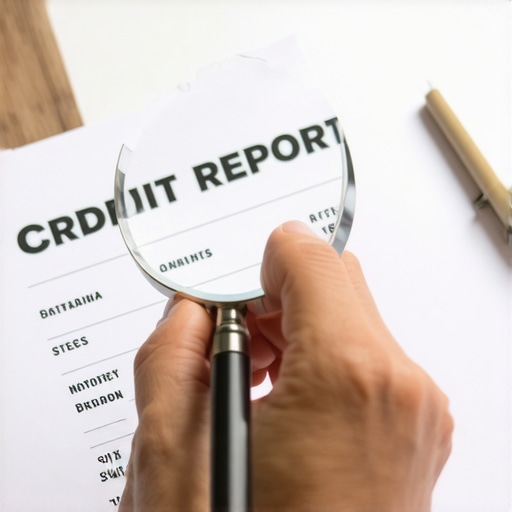
Think of your credit report as your financial resume; the clearer and more organized it is, the more attractive you look to lenders. To start, obtain a free copy of your credit report from each major bureau—Experian, Equifax, and TransUnion. Review these carefully for errors, outdated information, or fraudulent accounts. Correct inaccuracies promptly using the dispute process detailed in effective credit repair techniques. This step can increase your score and improve approval odds dramatically.
Build Your Credit Using Simpler, Proven Strategies
If your credit history is thin or damaged, don’t worry. You can leverage secured credit cards or credit-builder loans to establish or rebuild your credit profile. These tools act like training wheels—helping you demonstrate responsible borrowing. For detailed guidance, visit building credit from scratch. Apply for a secured card with a small deposit, make consistent payments, and keep your balances low relative to your limits. Within a few months, you might see a score boost that makes lenders take notice.
Strategic Debt and Payment Management
Handling existing debt strategically is crucial. Prioritize paying down high-interest credit cards while maintaining minimum payments on others to avoid late fees or account closures. Use the debt avalanche method—paying off the most expensive debts first—to minimize interest and accelerate your progress. Additionally, position your payments around the statement dates to reduce reported balances, which can positively impact your utilization ratio. For more in-depth tactics, explore smart debt management practices.
Limit New Credit Inquiries and Keep Old Accounts Active
Every new application triggers a hard inquiry, which temporarily lowers your score. Limit new applications until after your auto loan approval. Also, keep older credit accounts active; they expand your credit history’s length and show responsible use. If you have dormant cards, consider making small purchases periodically to maintain activity, but pay them off immediately to prevent interest accrual.
Leverage Credit-Building Resources Wisely
Use specialized credit-building products like authorized user accounts—where a trusted family member adds you to their credit card. This can help you benefit from their positive history without the risk of mismanaging the account. You may also explore credit counseling services if your situation is complex. Remember, each action you take should aim to present a responsible and stable financial picture, giving you an edge at the dealership.
 Many people believe that simply paying down debt or opening a few credit accounts will automatically boost their credit scores. However, this oversimplification can lead to costly mistakes. In reality, the world of credit management is nuanced, and misconceptions abound. For instance, a common myth is that closing old credit cards will improve your score—that’s often not true. In fact, closing long-standing accounts can shorten your credit history, negatively impacting your score. Additionally, many think that applying for multiple credit lines in a short period will improve their credit profile; instead, it often results in multiple hard inquiries, which temporarily lower your score. One of the most overlooked aspects is the importance of your credit mix and utilization rate; maintaining a healthy diversity of credit types and keeping balances low relative to limits can significantly enhance your creditworthiness. I’ve seen many fall into this trap—believing that paying off a loan will boost their score immediately—only to find out that due to the timing of reporting cycles, their scores can actually dip temporarily after a large payment. This is why understanding the subtle mechanics of credit reporting is crucial. Experts like John Ulzheimer, former FICO employee, emphasize the importance of strategic credit utilization and timing in their advice. So, the next time you’re trying to improve your credit, consider these nuanced factors rather than relying on common myths. Want to master effective debt management? Check out these proven debt management secrets. Have you ever fallen into this trap? Let me know in the comments.
Master Your Financial Tools for Long-Term Success
Keeping your credit profile in optimal shape requires more than just determination—it demands strategic use of specific tools and consistent habits. Personally, I rely heavily on a combination of software, templates, and automation to ensure I stay on top of my credit health and debt management. A standout tool in my arsenal is Credit Karma. I use it daily to monitor my credit scores and track changes in my credit reports. Its real-time alerts help me spot potential errors or fraudulent activity immediately, allowing me to dispute inaccuracies before they impact my score. Additionally, I use credit-building hacks from trusted sources to accelerate my progress, which are often integrated into my routine through personalized checklists or digital planners.
For deeper analysis, I turn to Experian’s CreditWorks. It provides comprehensive reports and insights, helping me understand the subtle nuances affecting my score, such as utilization rates and account age. I also set up automated payments through my bank’s app to avoid late payments—a habit proven to negatively affect credit scores. Automating these payments is a game-changer, especially when managing multiple accounts or fluctuating income streams.
Beyond monitoring, I employ specific strategies like utilizing credit builder loans and secured credit cards to responsibly demonstrate my creditworthiness. To keep my debt under control, I use budgeting tools like YNAB (You Need A Budget). Its envelope system helps me allocate funds for debt payments, savings, and daily expenses, ensuring that I don’t overspend or miss essential payments. These tools streamline my financial discipline, making long-term credit health maintenance manageable and less stressful.
Predicting the Future of Debt and Credit Management Tools
Looking ahead, I believe AI-driven financial advisors and more sophisticated automation will become standard in personal finance. These technologies will analyze vast amounts of data to provide tailored recommendations—for example, when to pay off specific debts or optimize your credit utilization. Voice-activated apps may soon alert you instantly if something anomalous appears in your credit report, enabling proactive management rather than reactive fixes.
How do I keep my credit management practices effective over time?
Consistency is key. Regularly reviewing your credit reports—at least quarterly—and adjusting your strategies based on the latest insights is vital. Also, staying updated with evolving best practices, like avoiding the pitfalls explained at these signs your credit counselor might be working for the banks, can prevent costly mistakes. A specialized tool I recommend exploring is the effective credit repair techniques guide. Implementing even one advanced tip, such as setting automatic alerts for credit report changes, can drastically reduce the chance of mishaps and keep your credit profile healthy and resilient.
Throughout my journey in becoming financially savvy, I stumbled upon many misconceptions and lessons that reshaped my approach to credit and debt management. One of the most eye-opening realizations was how often people underestimate the power of proactive credit management. These lessons taught me that small, deliberate actions can compound into significant advantages when securing auto loans. For example, I learned that monitoring your credit report regularly can reveal errors or outdated information that, once corrected, dramatically improve your approval chances. Additionally, strategically timing your credit inquiries and keeping old accounts active maximize your credit profile’s strength. These insights proved invaluable, transforming my approach from reactive to strategic and empowering me to face dealership negotiations confidently.