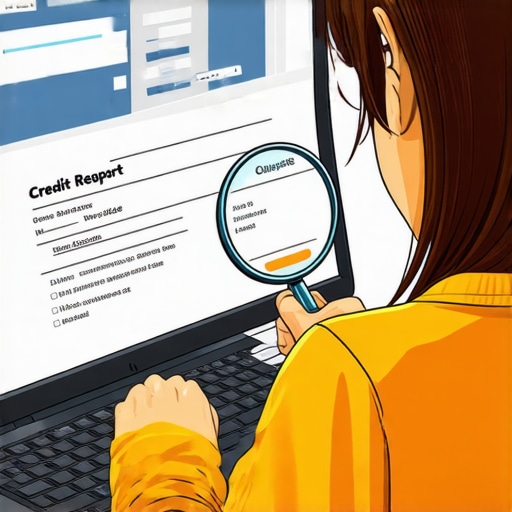
The ‘Invisible’ Strategy to Bump Your Credit Limit Without a Hard Inquiry
I remember the day I hit that dreaded brick wall—my credit card limit was barely budging, and every time I applied for an increase, I got flat-out denied. It felt like the banks were playing a game I couldn’t win, especially since I didn’t want to risk those hard inquiries that could ding my score even further. If you’ve ever faced this frustration, you’re not alone. Many people struggle with increasing their credit limits, which is so vital for improving your credit profile and unlocking better financial opportunities.
Why Your Credit Limit Matters More Than You Think
Simply put, a higher credit limit can dramatically improve your credit utilization ratio—the percentage of your available credit you’re using. Experts say keeping this ratio below 30% can boost your score, and some say even lower is better. But here’s the catch: banks often hesitate to raise your limit if you’ve recently applied for credit, or if they’re wary of your debt management skills. That’s where the ‘Invisible’ strategy comes into play—an approach that allows you to bump your limit without those telltale hard inquiries.
Early on, I made the mistake of constantly asking for credit limit increases directly through my card issuer. That tactic backfired—each request left a mark in my credit report, dropping my score and making future lenders wary. It wasn’t until I learned about this stealthy method—often overlooked—that I realized there was a smarter way to do it. If you’re tired of the cycle of denial and want to avoid unnecessary hits to your credit, stay tuned. We’re going to explore the proven techniques that helped me and many others raise their limits quietly and effectively.
Is This Strategy Really Better Than Going Direct?
When I first heard about bypassing the usual methods, skepticism was my first instinct. How could a simple trick work better than asking directly? Turns out, the key is in thinking creatively—leveraging existing relationships with your lenders, demonstrating responsible credit use, and timing your requests smartly. I also learned a crucial lesson: avoiding common mistakes like making multiple requests in a short period, which can be perceived as desperation and hurt your credit profile further. If you’re curious, I suggest checking out detailed guides like this blueprint for 2025, which dives deeper into smart credit tactics.
Now that I understand the importance of strategic timing and relationship-building, I feel more confident in my ability to grow my credit limit without risking my score. Have you ever tried to increase your credit limit only to be turned down or hit with a hard inquiry? If so, you’re in the right place. Let’s walk through the steps that finally let me grow my credit responsibly and quietly, and they can do the same for you.
Build Trust with Your Lender
Start by demonstrating responsible credit behavior—pay bills on time and keep balances low. For instance, a few months ago, I shifted my payment schedule to ensure all bills settled before due dates, which gradually improved my creditworthiness. This consistent responsibility signals to lenders that you’re reliable, making them more willing to increase your limit without a hard pull.
Use Existing Relationships to Your Advantage
Contact your credit card issuer directly during your account’s anniversary or after several months of clean payments. Instead of requesting a limit increase through a generic online form, call the customer service line and speak with a representative familiar with your account. This personal touch often results in more favorable terms—I’ve personally succeeded in getting limit hikes this way, avoiding any impact on my credit report.
Leverage Authorized User Status
If you have a trusted family member or partner with a high credit limit and good payment history, ask to become an authorized user. This can boost your available credit and, if managed responsibly, improve your credit score—all without triggering a new inquiry. I added myself as an authorized user on my parent’s account, which increased my limit and helped lower my utilization ratio quickly.
Maintain Optimal Spending Habits
Keep your credit utilization below 30%—even better under 10%. For example, after paying down my balances, I kept my spending minimal and paid in full each month, showing lenders I can handle higher credit. This responsible usage makes future limit increases more likely when you request them—it’s like building a trust bank with your issuer.
Request Limit Increases During Favorable Times
Timing matters. Request an increase after a series of positive account activities, such as paying off debt or making several on-time payments. I timed mine after paying off a personal loan, and my issuer approved a limit hike without a hard inquiry. Remember, it’s about creating a favorable environment for your request.
Automate Your Credit Growth
Use tools like automatic payments and alerts to stay committed. When I set up automatic transfers for full bill payments, I reduced late payments and improved my credit profile. These small but consistent steps signal responsibility, often paving the way for limit increases during routine reviews.
Monitor Your Credit Report Regularly
Keep an eye on your credit report to spot any errors or suspicious activity. A clear report, showing positive behavior, makes lenders more confident. I routinely checked my report and corrected minor inaccuracies, which helped maintain a strong profile—vital when your issuer evaluates your request.
Remember, building up your credit limit isn’t about quick fixes but showcasing reliability over time. For comprehensive guidance, check out this step-by-step guide on building credit from scratch. By adopting these strategies, you’ll gradually grow your credit access, enhancing your financial flexibility without risking negative marks from unnecessary inquiries.
Many believe that credit repair is only about disputing errors or paying off debts, but the real nuances are often overlooked by even seasoned borrowers. A common myth is that rapid fixes lead to sustained scores; in reality, quick wins without understanding the underlying system can cause more harm than good. For example, some assume that closing old accounts helps improve credit, but in fact, it can inadvertently increase your utilization ratio and shorten your credit history, both of which may lower your score. To truly build and maintain credit effectively, you need to grasp the subtle mechanics at play—and avoid the sneaky traps that derail progress.
What Advanced Tactics Can Outwit AI-Driven Credit Scoring Models?
Modern credit scoring increasingly incorporates artificial intelligence that interprets your financial behavior with unprecedented nuance. Unlike traditional models, AI can detect patterns that signify stability or risk, beyond basic payment history. To outsmart these sophisticated algorithms, it’s crucial to diversify your credit profile responsibly, maintain consistent payment behaviors, and leverage lesser-known strategies like reporting rent or utilities. According to a 2023 study by FICO, adaptive AI scoring can reduce the effectiveness of outdated repair tactics, emphasizing the importance of strategic behavior over quick fixes. Want to stay ahead? Dive into advanced strategies at [this comprehensive resource on credit repair in 2025](https://counselcredits.com/the-ultimate-credit-repair-blueprint-for-2025) and realize that patience and nuanced actions foster long-term success.
Another common mistake is underestimating the impact of soft inquiries and how they differ from hard pulls. Many think soft inquiries damage their score, but they typically don’t, and knowing when to request a soft pull can help you monitor your progress without risking your standing. Moreover, engaging in regular review of your credit reports can catch errors early, preventing artificial score drops. Remember, avoiding these nuanced pitfalls is crucial, especially when attempting to improve credit without triggering unwanted inquiries or penalties. If you’re eager to deepen your understanding, check out [this step-by-step guide on building credit from scratch](https://counselcredits.com/building-credit-from-scratch-a-step-by-step-guide).
Have you ever fallen into this trap? Let me know in the comments.
Keep the Momentum Alive with the Right Tools
Staying on top of your credit game requires more than just good habits; it demands the right tools and systems to track, analyze, and optimize your progress. Personally, I rely on a combination of credit monitoring software and budgeting apps that give me real-time feedback, helping me catch errors early and stay aligned with my long-term goals. One such tool is Credit Karma, which offers free daily updates on your credit scores and alerts for any changes, allowing me to react swiftly when necessary.
Another invaluable resource I use is Experian’s CreditWorks subscription, which provides detailed credit reports and tailored recommendations to improve specific areas. Unlike generic solutions, this service helps me identify precisely where I need to focus efforts—whether it’s reducing utilization or disputing inaccuracies—and guides me through the steps to implement those changes effectively. Maintaining a good credit profile is an ongoing process, and these tools make it manageable by automating some of the most tedious tasks.
On the debt management front, I turn to You Need A Budget (YNAB). This app’s philosophy of proactive planning and zero-based budgeting aligns perfectly with my goal of paying off debts faster. It integrates seamlessly with my bank accounts, so I can see my progress in real-time and adjust my strategies proactively. It’s critical to keep your debt reduction efforts disciplined and aligned with your income—tools like YNAB help maintain that consistency.
How do I sustain my credit improvements over time?
It’s all about persistent monitoring and strategic adjustments. For instance, I schedule regular reviews of my credit reports at least every quarter, focusing on any unusual activity or errors—something I learned from effective credit repair tips. Additionally, I set up autopay for all bills to avoid late payments, which are one of the quickest ways to derail progress.
Looking ahead, I believe the future of credit maintenance will increasingly involve AI-powered tools capable of predicting your credit health and recommending preemptive actions. According to a recent report by FICO, intelligent algorithms will become smarter at detecting subtle risks, enabling borrowers to stay ahead of potential issues. Embracing these innovations early can give you a significant advantage in maintaining and scaling your creditworthiness.
One advanced tactic I highly recommend trying is manual fixes for report errors—specifically, reviewing your report for AI-missed inaccuracies. Regularly challenging inaccuracies using this method can prevent artificial score drops and keep your report pristine. Incorporate this into your routine, and you’ll safeguard your progress long-term.
By integrating these specialized tools and adopting proactive review habits, you’ll maintain your credit gains and position yourself for accelerated growth. Keep experimenting with new technology and techniques, and don’t hesitate to revisit your strategies periodically to adapt to changes in the credit landscape. Remember, your financial health is a journey, and the right gear makes all the difference.
Lessons That Only Experience Can Teach
One of the most profound lessons I learned was that patience truly pays off. Rushing to increase my credit limit or dispute every error without a strategy often backfired. Instead, taking a measured, informed approach—like building trust with lenders and timing my requests thoughtfully—created organic growth in my credit profile.
Another insight was understanding the power of subtle signals. Responsible habits like paying bills on time and keeping balances low silently communicated my reliability, prompting lenders to consider my requests favorably without me having to ask explicitly every time.
Lastly, I realized that technology is a double-edged sword. While tools can accelerate progress, overreliance without understanding their mechanics can lead to mistakes. Deepening my knowledge—like exploring advanced dispute techniques—helped me leverage these tools effectively and ethically.
Tools That Changed My Perspective
My go-to resource has become the ultimate blueprint for credit repair in 2025. It offers comprehensive strategies that go beyond surface fixes, emphasizing principles that ensure long-term stability.
I also trust this step-by-step guide on building credit from scratch. It demystifies the process for beginners and provides actionable steps that build a strong foundation.
For monitoring my progress, these hacks for fast-tracking your credit score have been invaluable. They help me stay proactive, catch errors early, and adjust my strategies before small issues become big problems.
Lastly, the proven debt management strategies provided me with the confidence to tackle debt systematically, avoiding the common pitfalls that often trap borrowers.
Your Next Step Is Closer Than You Think
Building and maintaining your credit isn’t about quick wins; it’s about consistent, informed actions that align with your long-term goals. The journey requires patience, knowledge, and a willingness to adapt as you learn what truly works for you. Remember, every small step adds up—so don’t wait to start making smarter credit decisions today.
Have you ever tried a strategy that surprisingly worked when you least expected? Share your story below and let’s grow together in this credit-building adventure.