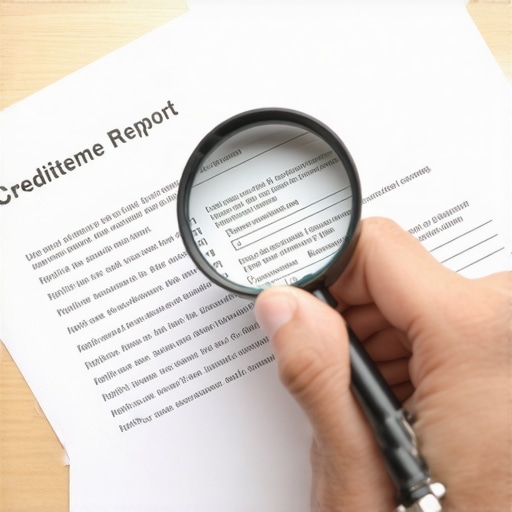
The Evidence-First Tactic for Deleting Disputed Errors
I vividly remember the sinking feeling I had when I looked at my credit report and saw those stubborn disputed errors staring back at me. No matter how many times I called, disputed, or argued, they refused to budge. It felt like fighting a ghost—frustrating and endless. That was until I discovered a game-changing approach that finally gave me the upper hand. Today, I want to share my journey and reveal a proven method—the Evidence-First Tactic—that can help you delete disputed errors effectively.
The moment I realized I was doing it wrong
Early on, I made a critical mistake: I relied solely on the standard dispute process, thinking that simply sending a letter was enough. I thought I just had to tell the bureaus what was wrong, and they’d correct it. But that’s rarely the case. I soon learned that without concrete proof, my disputes often got ignored or kicked back. According to a 2022 report by the Consumer Financial Protection Bureau, nearly 40% of credit report errors are not resolved because consumers don’t submit adequate evidence. That was my lightbulb moment. I realized I needed a smarter, more strategic approach—something rooted in solid proof and undeniable facts.
Is the Evidence-First Tactic really worth the effort?
Initially, I was skeptical. I’d seen countless methods online promising quick fixes, but I knew from my own experience that most were superficial. The truth is, my early attempts at resolving errors only added to my frustration. It wasn’t until I started documenting every detail—collecting, organizing, and presenting irrefutable evidence—that I saw actual results. This experience taught me that the Evidence-First Tactic isn’t just hype; it’s a strategic way to force credit bureaus to investigate and delete errors properly. If you’d like to learn more about foundational credit-building strategies, check out my comprehensive guide on building credit from scratch.
The key takeaway? Without clear evidence, your disputes are just shots in the dark. But with documented proof—whether it’s payment receipts, bank statements, or official correspondences—you dramatically increase your chances of success. In the next sections, I’ll walk you through the exact steps I used to gather evidence, craft compelling dispute letters, and get results that once seemed impossible. If you’ve faced the frustration of errors stubbornly refusing to budge, stick around—this could be the breakthrough you need.
Gather Your Proof Methodically
Start by collecting every document that supports your claim—bank statements, payment receipts, or official letters. For example, I once pulled my bank records showing timely payments on a disputed account, which became a key piece of evidence. Think of it as assembling puzzle pieces that, when combined, create a clear picture of your accurate credit history. Use digital folders to keep everything organized, labeling each document with dates and details to avoid confusion during disputes.
Create a Clear Dispute Package
Once your evidence is organized, draft a concise dispute letter highlighting the errors and attaching your proof. Focus on one error per letter for better clarity. When I disputed a wrong late payment, I attached my bank statement showing consistent payments and explicitly pointed out the discrepancy in the report. This is akin to building a case in court—solid, undeniable proof presented logically. Remember, the goal is to make it impossible for the bureau to ignore your evidence.
Send Disputes Strategically
Mail your dispute package via certified mail with return receipt requested. This creates a paper trail that proves when and what you sent, similar to keeping a delivery receipt for an important package. When I did this, I tracked the delivery and kept copies of everything, which became crucial when the bureau delayed investigation. Use the address provided by the bureau’s official dispute portal to ensure your documents reach the right department. This method increases your chances of a swift, favorable response.
Follow Up Persistently
Wait at least 30 days for an investigation response. If you hear nothing or get a vague reply, send a follow-up letter referencing your initial dispute and attaching the original proof again. I learned the hard way—persistent follow-ups often prod the bureaus into action. Keep records of all correspondence, including dates and content of replies. This record-keeping acts as a backup if you need to escalate or seek legal help, similar to having law enforcement documentation during a case.
Leverage the Power of the Evidence-First Tactic
By systematically gathering and presenting irrefutable proof, you shift the power dynamics. Instead of hoping the bureaus will correct errors on their own, you force their hand to investigate properly. This approach is the secret behind many successful credit repairs. If you’re looking for more advanced techniques, check out my guide on The Ultimate Credit Repair Blueprint, which delves deeper into dispute tactics and legal rights. Remember, your goal is to make your dispute so compelling that ignoring it becomes impossible for the credit bureaus.Many people believe that all credit counseling and repair services are created equal, but in reality, there’s a lot of misunderstanding about what truly works and what pitfalls to avoid. A prevalent myth is that enrolling in a debt management plan immediately heals your credit score—that’s not always the case. These plans can sometimes lower your credit utilization temporarily but may also impact your credit mix and payment history, which are critical factors in long-term score improvement. Moreover, some assume that paying off debts will instantly boost their credit, but without strategic credit building, your score may plateau. To genuinely enhance your credit profile, you need comprehensive strategies like defining your credit-building goals and understanding the nuances of credit scoring models. For instance, focusing on diversifying your credit mix and maintaining low utilization rates over time can create more sustainable improvements. Additionally, many fall into the trap of relying solely on credit repair companies that promise quick results; however, most effective credit repair hinges on personalized, strategic dispute techniques and responsible credit practices. Beware of companies that promote ‘quick fixes’ without addressing the underlying factors or that use generic dispute letters—these often lead to disappointing results. A deep understanding of the credit scoring algorithms, such as FICO and VantageScore, reveals that timely payments, credit mix, length of credit history, new credit inquiries, and credit utilization each play unique roles. For example, intentionally closing old accounts might seem beneficial to reduce available credit and boost your utilization rate, but in reality, it can shorten your credit history, negatively impacting your score. It’s essential to recognize these nuances to avoid costly mistakes. The literature from credit scoring experts emphasizes that a disciplined, strategic approach yields better outcomes than shortcuts. Always double-check the validity of your credit information and consider advanced dispute strategies, like the Evidence-First Tactic I detailed earlier, to handle stubborn errors effectively. Remember, building and repairing credit is a marathon, not a sprint, and understanding these advanced nuances can make all the difference. Have you ever fallen into this trap? Let me know in the comments. For a step-by-step plan on building credit from scratch or fixing those stubborn errors, check out my guides on building credit from scratch and effective credit repair tips.Maintaining your credit health over time requires a strategic combination of effective tools and disciplined habits. Personally, I rely on a robust mix of software and manual checks to ensure my credit profile remains optimized. One tool I highly recommend is the credit monitoring service provided by Experian, which offers real-time alerts on any changes to your report. This immediate feedback allows me to spot inaccuracies or unauthorized activities early, preventing minor issues from escalating. Additionally, I use a secure spreadsheet to track dispute progress and document correspondence, enabling me to maintain a detailed history that can be invaluable during long-term disputes or when presenting evidence. Regularly reviewing your credit report at least quarterly helps identify patterns or new errors that might appear, especially if you’ve recently navigated a debt settlement or opened new accounts.
How do I keep my credit profile consistently strong over time?
Staying on top of your credit game also involves leveraging automation where possible. Setting up automatic payments for bills ensures you never miss due dates, directly supporting your payment history—a critical factor in credit scoring. Moreover, I utilize a budgeting app to keep my utilization low, aiming to stay below 30%. As credit scoring models evolve, I predict that personalized AI-driven credit management tools will become mainstream, providing tailored advice and alerts to help you adjust your financial habits proactively. Learning to adapt to these technological advances will be essential for sustained credit improvement.
Tools tailored for credit building and maintenance
Beyond monitoring and record-keeping, employing strategic tools can accelerate your progress. For example, reporting rent payments through services like RentTrack can positively influence your score by demonstrating consistent housing payments. To increase your credit limits responsibly, consider using secured credit cards, such as Discover’s secured option, which I use personally to rebuild credit after setbacks. These tools, combined with disciplined habits, form a comprehensive approach to ‘keeping it working,’ ensuring your credit profile remains resilient and ready for future financial plans.
Scaling Your Efforts for Greater Results
As your credit health stabilizes, scaling your management efforts can lead to even better results. Consider automating savings specifically earmarked for debt payoff, which reduces interest charges and shortens the repayment timeline. Also, explore advanced dispute techniques, like the Evidence-First Tactic, which I detailed earlier, to handle persistent errors more efficiently. For ongoing success, it’s crucial to stay educated on updates in credit scoring algorithms and regulations. Following authoritative sources such as The Ultimate Credit Repair Blueprint can keep you informed and help refine your strategy over time. Remember, consistency is key—regular reviews and updates to your methods will ensure your credit profile remains strong, no matter how the landscape shifts. Make it a habit to check your report monthly and adjust your tools accordingly to stay ahead in the credit game. Ready to elevate your credit management? Try setting up automatic alerts with your monitoring service today, and stay vigilant against surprises that could undermine your progress.
What I Wish I Knew Sooner About Disputing Errors
One lesson that hit hard was realizing that without irrefutable evidence, my disputes were just guesses. Collecting comprehensive proof—like bank statements or payment records—turned my frustration into tangible results. I also learned that each error required a customized, evidence-backed package; a one-size-fits-all approach simply doesn’t work in credit repair. Lastly, understanding that persistence and proper documentation are the secret weapons kept my efforts consistent and effective, ultimately saving me both time and stress.
My Go-To Tools for Building and Protecting Credit
Over time, I relied on essential resources that truly made a difference. Experian’s credit monitoring kept me vigilant against unnoticed changes, while secure spreadsheet templates helped organize my dispute evidence systematically. Tools like RentTrack allowed me to add positive rent payment history, and secured credit cards like Discover’s provided manageable ways to rebuild my credit profile. I trust these because they offer real value, transparency, and tangible improvements—key elements for anyone serious about credit health.
Your Next Move Starts Today
If you’re tired of fighting stubborn credit errors and feel like you’re stuck in limbo, remember that strategic, evidence-driven disputes are a game-changer. Building strong credit isn’t just about quick fixes; it’s about creating a solid foundation built on proven methods and disciplined habits. Now is the moment to take control—review your reports, gather your proof, and move forward with confidence. Your improved credit future begins now, and you have all the tools and knowledge to succeed. Want to explore more advanced dispute tactics? Check out my in-depth guide on The Ultimate Credit Repair Blueprint for next-level strategies.