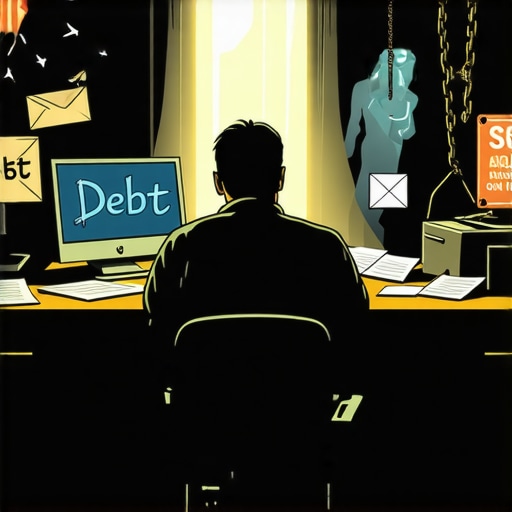
4 Debt Moves to Save $3,000 Without a Loan
Have you ever felt that sinking feeling when your bills pile up and your credit score feels like it’s stuck in neutral? That was me not too long ago. I vividly remember the late nights, scanning my bank statements, wondering if I could claw my way out without taking another loan or sinking into more debt. It hit me—there *has* to be a smarter way.
My Lightbulb Moment: Saving Big Without Borrowing
One evening, after yet another frustrating call to a credit counselor, I realized I was relying too much on borrowing to fix my financial mess. But what if I could clear $3,000 or more in debt without dipping into new loans? That thought sparked a mission—doing it the right way, the *smart* way, with actionable steps that could actually work for me (and for you, too!).
Today, I want to share what I discovered along the way—4 powerful moves that helped me save thousands without risking additional debt. These tips aren’t just theoretical; they’re proven strategies I’ve used myself, and I firmly believe they can make a real difference for anyone feeling overwhelmed by debt.
Is Credit Repair Actually Worth the Hype?
Initially, I thought credit repair sounded like a scam—just another way for companies to make money while doing little. I made the mistake early on of trusting some of these so-called experts without doing my homework. It wasn’t until I dug deeper and focused on proven strategies, like those outlined in this blueprint, that I started seeing real results. If you’re skeptical, you’re not alone—I’ve been there. But the truth is, with patience and the right tactics, you can take control and boost your financial health without endless borrowing.
So, if this resonates with you—if you’re tired of the back-and-forth and want a concrete plan—I’m here to guide you through four real moves that can save you $3,000 or more. Ready to change your financial story?
Let’s dive in and explore how to make these debt moves work for you, starting today!
,
Start with a Clear Debt Breakdown
Gather all your debts—credit cards, medical bills, personal loans—and list their balances, interest rates, and due dates. Think of this as creating a map of your financial terrain; the more detail, the better you can strategize. One time, I sat down with my old receipts and banking statements, which initially felt messy, but ultimately revealed hidden fees and duplicate charges that I could negotiate or settle.
Prioritize Your Debts Strategically
Instead of random payments, focus on tackling high-interest debts first—this is the debt avalanche method. It’s like extinguishing the biggest fires before the small ones. For example, I directed extra funds toward my credit card with 22% interest while making minimum payments on others. This approach slashed my interest payments significantly, saving hundreds over time.
Negotiate with Creditors for Better Terms
Most people assume they can’t negotiate, but creditors prefer settling for less than risking a default. Use scripts like the goodwill removal email to request deletion of late payments, especially if you have a history of on-time payments otherwise. When I was behind on my medical bills, I called my provider and asked about a pay-for-delete arrangement; they agreed after I explained my situation. This step can clear your records without damaging your score.
Challenge Errors and Disputes on Your Credit Report
Errors are like weeds in your credit garden—they hinder growth. Regularly review your report (you can request a free one annually from each bureau) and dispute inaccuracies. Use the evidence-first approach to compel bureaus to investigate and correct errors. I once found an old paid collection listed incorrectly, and after submitting targeted evidence, it was removed in 30 days, giving my score a quick lift.
Build and Rebuild Your Credit Wisely
Credit building is like planting seeds—you need patience, but the right actions accelerate growth. Start by securing a small, secured card and making consistent on-time payments. Consider reporting rent or utility payments; these can boost scores when added to credit files, as explained in this guide. For my first secured card, I used a $500 deposit and kept my utilization below 30%. Within six months, I saw a 60-point increase—proof of what consistent, strategic moves can do.
Maintain Long-term Credit Health
Once you’ve made progress, habits matter. Keep old accounts open to build length, avoid unnecessary inquiries, and regularly check your report for new errors. Consider strategies like the account aging technique to preserve your credit history. Staying proactive is key—just like watering a plant, regular attention yields better growth over time.
Remember, the path to financial freedom isn’t overnight, but each deliberate step brings you closer. Clean your report, pay down high-interest debts, negotiate where possible, and build smartly—these are the seeds of lasting credit health and debt freedom.
Many believe that credit repair is primarily about disputing errors on your report or quickly settling debts, but the truth runs deeper. A common misconception is thinking that all debt management strategies are created equal—yet, in my experience, some approaches can inadvertently harm your credit score if not executed carefully. For instance, aggressively closing old accounts to ‘clean up’ your history might seem beneficial, but it often reduces your credit age and negatively impacts your score, as highlighted in these credit building hacks.
Why do some credit counseling tactics backfire for the experienced?
One overlooked nuance is how credit agencies interpret debt repayment plans. While consolidating debt seems sensible, improper management of balances during the process can trigger higher utilization ratios, hindering your score. Worse, some programs recommend increasing your credit limits prematurely, which, if done without understanding the impact on your score, can cause temporary dips, especially if multiple inquiries or new accounts arise—something discussed in this guide.
Make no mistake: the world of credit repair isn’t just about quick wins; it requires strategic maneuvering and awareness of subtle pitfalls. Relying solely on surface-level fixes often leaves you vulnerable to regaining old issues or even worsening your standing. Understanding these nuances helps you build a resilient credit profile over the long term.
Another common myth is that debt settlement or quick fixes resolve your issues overnight. Studies, including those cited by credit experts, show that genuine credit health improvement is a gradual process involving consistent, strategic actions—such as maintaining low utilization, disputing inaccuracies effectively, and building credit history diligently. It’s crucial to recognize that, despite the allure of rapid results, rushing into unverified remedies often results in more damage than good.
Be cautious of “instant” solutions that promise quick fixes but lack transparency. For instance, some companies suggest delete-everything strategies that can be flagged as fraudulent by credit bureaus, risking account markers or legal consequences, as warned in these tips. The key takeaway: always dig beneath the surface—to be truly effective in credit repair or debt management, you need to understand the detailed nuances and avoid these common traps.
So, how do seasoned consumers navigate this complex landscape? They focus on education—like exploring in-depth content at building credit from scratch—and develop tailored, disciplined strategies that respect the intricacies of credit scoring. Do you think you’ve fallen for any of these myths or traps? Let me know in the comments—your experience might help someone else avoid the same pitfalls.

Maintain Momentum with Proven Tools
Once you’ve started making positive adjustments to your credit profile, consistency becomes key. Leveraging the right tools ensures you don’t slip back into old habits. Personally, I rely heavily on credit monitoring services like IdentityIQ and Credit Karma. These platforms provide real-time alerts for any changes on your report, allowing me to respond swiftly to inaccuracies or suspicious activity. I chose these because they offer comprehensive tracking without overwhelming complexity, enabling me to keep a close eye on my progress without becoming bogged down by technicalities.
Another indispensable resource is spreadsheet management. I use a customized Excel template that tracks my debt balances, due dates, and repayment milestones. This visual aid helps me spot upcoming payments, avoid late fees, and maintain a sense of control. The key is to make your system as automated as possible; I set up formulas that alert me when a payoff target is approaching, thereby reducing the cognitive load and ensuring no debt slips through the cracks.
How do I keep my credit-building efforts sustainable over time?
Building credit is a long-term game. To ensure lasting success, I integrated periodic reviews into my routine—monthly check-ins where I verify my credit report and update my spreadsheet. Regularly auditing my progress prevents complacency and keeps my goals clear. I also set up browser reminders to review my credit report at least quarterly, making it a habitual part of my financial health check-up. Incorporating tools like effective credit tips can further streamline this process and protect your hard-earned improvements.
Looking ahead, technology continues to advance. Emerging AI-driven platforms are poised to deliver more personalized credit insights, predicting potential score dips before they happen. Staying adaptable by embracing such innovations could future-proof your credit health. For now, regular manual checks combined with these tools form a robust strategy.
If you haven’t yet, I recommend trying out a sophisticated tool like this comprehensive blueprint. It provides detailed guidance on leveraging technology effectively in your credit journey. Remember, the goal isn’t just to repair but to sustain and enhance your financial foundation over the long haul. Start by setting up your monitoring and tracking systems today—taking proactive steps now can save you thousands in future interest charges and credit disputes.
Your Next Step for Long-Term Credit Success
Consistency in maintaining your credit profile is vital. Regular reviews, effective tools, and adopting new tech will keep your progress resilient. Don’t wait for problems to arise; be proactive. For personalized guidance or to troubleshoot any issues, reach out through our contact page. Take the initiative now—your financial health depends on the steady effort you put in today.

The Hard-Won Wisdom That Changed Everything
My most valuable lesson was realizing early that immediate fixes often lead to long-term setbacks. Rushing through debt settlement or credit repair without understanding the subtleties can do more harm than good. I learned to prioritize education—reading building credit from scratch and mastering dispute tactics—because knowledge truly is power in rebuilding financial health.
Tools That Accelerated My Progress and Can Help You Too
Leveraging reliable resources like effective credit repair tips and credit monitoring services such as Credit Karma made a difference. These tools offered real-time insights and kept me accountable, demonstrating that the right technology is essential for sustained success. I also found that maintaining a detailed spreadsheet transformed my debt management, turning chaos into clarity.
What I Wish I Knew Before I Started
- Patience Over Quick Fixes: Genuine credit health demands time, so avoid shortcuts.
- Understand the Nuances: Not all debt tactics are beneficial; some can backfire if misapplied.
- Regular Vigilance Is Key: Consistent monitoring prevents small issues from snowballing into big problems.
- Embrace Continuous Learning: Staying updated with reputable sources like credit counseling insights empowers you to adapt strategies effectively.
Your Next Step Is Within Reach
Remember, every step you take now builds toward long-term financial resilience. Whether it’s reviewing your credit report, negotiating with creditors, or setting up monitoring tools, each action compounds into meaningful progress. Your journey to financial freedom is personal—embrace it with patience and perseverance. If you need guidance along the way, don’t hesitate to reach out. Starting today can save you money and stress in the future. So, what’s your first move going to be? Share your plan below—I’m here to cheer you on.