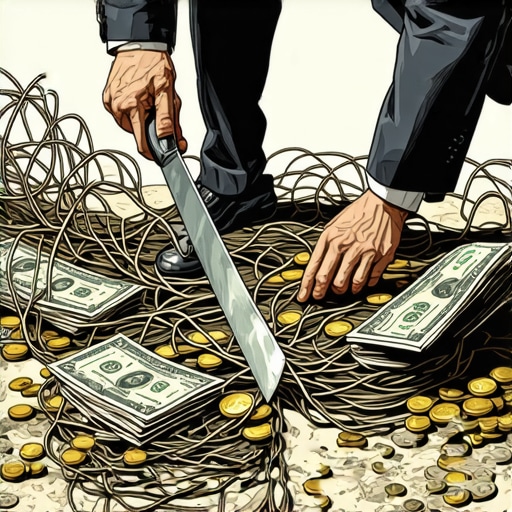
Why the Debt Snowball Often Fails and the Logic-Based Alternative
I still remember that sinking feeling. After months of chopping away at my debts with the debt snowball method, I hit a wall—my progress stalled, and I felt more discouraged than ever. It was a lightbulb moment when I realized I was missing the bigger picture, and that my approach wasn’t fitting my unique financial situation. If you’ve ever felt the frustration of seemingly hitting a dead end despite putting in effort, you’re not alone. Many folks swear by the debt snowball, but the truth is, it often doesn’t deliver the results people expect. Today, I want to share why this popular method sometimes fails and introduce a smarter, logic-based approach that transformed my financial journey—and can do the same for you.
The Hidden Flaws Behind the Debt Snowball Method
Is Debt Snowball Actually Worth the Hype?
When I first started tackling my debt, I was eager to see quick wins. So I prioritized paying off the smallest balances first—thinking it would boost my motivation and help me stay committed. It seemed logical at the time. But I made a critical mistake early on: I didn’t consider interest rates or how different debts impact my overall financial health. The result? I paid off a few small debts, yes—but larger, high-interest accounts kept dragging me down, costing me more in the long run. This approach, while feeling satisfying, sometimes leads to longer repayment periods and higher total interest paid. According to financial expert Suze Orman, focusing solely on the smallest debts can backfire, costing more money and delaying the finish line. Recognizing that mistake helped me see the importance of a more strategic, logic-driven plan.
So, what’s the alternative? Well, there’s a smarter way to attack debt—one grounded in data and tailored to your specific situation. It’s part of a broader set of credit management strategies that I’ve found far more effective. If you’re tired of hitting walls with quick-fix methods, you’ll love what’s coming next. We’ll explore the core principles behind a more reliable, personalized plan that aligns with your financial goals. To learn more about building a solid credit foundation, check out this step-by-step guide.
Before we dive into the actionable steps, take a moment—have you already faced disappointment with traditional debt payoff methods? Or maybe you’re just getting started and want to avoid common pitfalls? Either way, understanding why certain approaches don’t work is the first step toward a smarter strategy. Ready to get practical? Let’s move forward and uncover the real secrets to crushing debt effectively.
**
Start with a Clear Credit Report Breakdown
Begin your journey by obtaining a comprehensive credit report from all three bureaus. Review each report meticulously, looking for discrepancies, outdated information, and accounts in error. When I first did this, I found an old medical debt listed twice, which was lowering my score unnecessarily. Use tools like credit building hacks to understand how each detail affects your overall picture. Correct inaccuracies using a manual dispute process or the AI-enabled tips provided by DIY credit repair guides. This step ensures your foundational data is accurate, which is critical before proceeding.
Prioritize High-Impact Strategies
Once your report is accurate, focus on tactics that move the needle fast. Pay down high-interest, high-balance accounts first, especially those nearing their limits, since credit utilization heavily influences scores. Use this balance-shifting trick to artificially lower your utilization temporarily if you’re planning a score boost for an application. When I applied this during a mortgage pre-approval, I saw a 20-point jump within a week. Make a manual plan—decide which debts to chip away at based on interest rates, payment history, and account age. This targeted approach beats the snowball method because it minimizes interest and maximizes score improvements.
Master Debt Management with Strategic Planning
Develop a personalized repayment plan rooted in data. Use the ratio method—paying down the highest utilization accounts first while maintaining minimum payments on others—to get faster results. Enroll in smart credit counseling to learn how to structure your payments efficiently. During my own debt management phase, I consolidated small debts into a lower-interest personal loan, which reduced my monthly payments and improved my score. Track progress weekly to stay motivated and adjust your plan as debts are paid off, always aiming to lower your debt-to-income ratio, a crucial factor for future borrowing.
Utilize credit-builder products like secured cards or authorized user status to strengthen your credit mix. For example, I opened a secured card with a small deposit — which I used to make small purchases and paid off immediately. This built a positive payment history and increased my scores. Explore interest-free windows and leverage them to make strategic purchases or pay down debts efficiently. Establishing a mix of credit types, along with good payment habits, ensures a resilient credit profile that withstands future score dips or unexpected events.
Stay Vigilant with Continuous Monitoring
Regularly check your credit reports—at least quarterly—to monitor changes and catch errors early. Use free or paid tools to set alerts for significant fluctuations. I set up email alerts through my credit monitoring service, which notified me of a new inquiry; turns out it was a result of a forgotten application. Address any suspicious activity immediately by disputing unauthorized accounts or inquiries. Consistency in monitoring keeps your progress on track and prevents minor issues from snowballing into score damage, allowing you to adjust your strategy proactively.
Leverage Legal and Procedural Tactics
Use legal rights under the Fair Credit Reporting Act to challenge erroneous or outdated information. Send validated debt verification requests to collectors, referencing validation letters to remove invalid debts swiftly. During a dispute, I used this tactic to delete an improperly reported paid collection, which boosted my score by 15 points. Similarly, negotiating pay-for-delete arrangements with creditors—done carefully and with documentation—can eliminate negative marks. This strategic use of legal leverage is often overlooked but incredibly effective in credit repair.
Many individuals approach credit improvement with a set of common assumptions that can actually hinder progress. A widespread myth is that simply paying bills on time and opening new credit accounts automatically boosts your score. In reality, the nuances of credit scoring algorithms are far more complex. For example, focusing solely on timely payments ignores factors like credit utilization, account age, and credit mix, which collectively have a larger impact on your creditworthiness. Advanced strategies, such as leveraging the credit-building hacks, can accelerate your progress when used correctly.
Another misconception is that all credit counseling agencies offer equally effective solutions. Many fall into the trap of offering generic debt management plans without tailoring them to individual financial situations, leading to suboptimal results. As I’ve learned through experience, choosing a reputable provider that offers personalized advice—like those found at smart credit counseling—is crucial for meaningful progress.
Are Debt Management Plans Risky or a Proven Shortcut?
The idea that debt management plans (DMPs) are always detrimental is a misconception. Many believe they harm your credit score or lead to debt settlement programs that hurt your creditworthiness. However, when implemented with expert guidance, DMPs can help you systematically reduce debt while improving your credit profile—especially if the plan includes negotiations to remove negative marks. For example, consolidating debts into a single, lower-interest loan can reduce payments and boost scores, as explained in the comprehensive debt management strategies.
Beware the “one-size-fits-all” approach—always evaluate whether a tailored plan suits your situation. Remember, the goal is not just debt elimination but building a resilient financial profile. For advanced tactics like disputing outdated information or negotiating pay-for-delete agreements, check out the ultimate credit repair blueprint.
It’s vital to understand that rapid credit score improvements often involve nuanced techniques—like strategically timing credit inquiries or managing your credit mix—beyond simple payment habits. Recognizing these subtleties can drastically alter your progress. Have you ever fallen into this trap? Let me know in the comments. With the right knowledge, you can avoid common pitfalls and make smarter decisions on your credit journey.
How do I keep my credit health on track as months go by?
Maintaining your credit improvements requires deliberate effort and the right set of tools to monitor progress, identify potential issues early, and adapt your strategies. One of my go-to resources is a comprehensive credit monitoring service like this credit counseling tool. It provides real-time alerts whenever there’s a change in your report, helping me spot suspicious activity or unforeseen drops immediately. Using such tools is especially vital as your credit profile becomes more complex and resilient—ensuring that your hard-won improvements stay secure.
Additionally, I recommend maintaining a dedicated spreadsheet or financial app that tracks your credit-related metrics—like scores, utilization rates, and outstanding debts. Personally, I use a structured tracking system inspired by early financial literacy guides. Regular updates and reviews—say, quarterly—give me insights into long-term trends and whether my strategies need tweaking.
For credit repair, I rely heavily on manual dispute tools like DIY error correction guides. These have helped me swiftly address inaccuracies that can drag down scores unexpectedly, especially after a report refresh or recent credit activity. The key is consistency; setting reminders to review reports and dispute errors promptly prevents small issues from snowballing.
Looking ahead, I see the trend of AI-driven credit analytics expanding. Predictive tools that analyze your finances and suggest personalized actions will become more accessible. For example, some platforms now incorporate AI that predicts how specific actions—like paying down a particular account—will influence your score within days, not months. Embracing these advancements will make long-term credit management smarter and more responsive, allowing you to fine-tune your approach with informed, data-backed decisions.
Interested in a practical step? Try using the balance-shifting trick to temporarily lower your utilization rate. This simple tactic, when used correctly, can give your credit score an immediate boost while keeping your overall strategy aligned. Regularly employing such advanced techniques will help you stay ahead of potential slip-ups and ensure your credit profile remains strong over the years. Remember: consistency and smart use of tools are your best allies in maintaining financial health. Give it a try today, and watch your credit resilience grow.
What I Wish I Knew About Credit Building Before Starting Out
One of the toughest lessons I learned was the importance of proactive error detection. Early on, I ignored small inaccuracies in my credit report, assuming they wouldn’t impact my score much. But I discovered that disputing minor errors can significantly boost your score and save you money—something I wish I’d prioritized from the beginning. Now, I always review reports thoroughly, knowing that catching mistakes early is a game-changer.
Another insight came with understanding the true power of credit mix. I used to think paying bills on time was enough, but diversifying my credit types—like adding a secured card or a small personal loan—accelerated my credit growth far faster than I imagined. This layered approach creates a more resilient credit profile and opens doors to better financial products.
Lastly, I realized that emotional patience beats quick fixes. Debt payoff and credit repair are marathon efforts, not sprint. Staying consistent, even when progress feels slow, builds the foundation for long-term financial health. Embracing patience helped me stay motivated and avoid destructive shortcuts, leading to sustainable success.