
The 15-Day Rule for Removing Old Inquiries Without a Dispute
I remember the moment I realized my credit report was holding me back more than I ever expected. It was a rainy Saturday afternoon, and I was staring at my bank account statement, feeling frustrated about the low credit score and the persistent old inquiries cluttering my report. No matter how hard I tried, I couldn’t shake the feeling that these outdated inquiries were silently sabotaging my financial future. That’s when I had my lightbulb moment: there had to be a way to clear these old inquiries quickly—without resorting to complicated disputes that often lead nowhere.
Why Clearing Old Inquiries Matters More Than You Think
Old inquiries on your credit report can seem insignificant—just a tiny tick in your history. But in reality, they can be a major obstacle when you’re trying to improve your credit score fast. Lenders see these inquiries as signs of financial distress or high activity, which can make them wary of approving new credit lines or loans. Especially if you’re aiming to buy a home or get a better rate on a loan, removing those outdated inquiries can make a tangible difference.
Here’s the kicker: research shows that removing outdated inquiries can boost your score significantly. In fact, some experts estimate that each removal could add anywhere from 5 to 20 points, depending on your overall credit profile. That can be the difference between getting approved at the best rate or being sidelined with sky-high interest. And the good news? The process isn’t as complicated as most believe—once you know the right approach, you can handle it yourself in just about two weeks.
Could the 15-Day Rule Be Your Secret Weapon?
Early in my credit journey, I made a common mistake—I wasted weeks or even months trying to dispute inquiries one by one through traditional channels. I didn’t realize that a more effective tactic, called the 15-Day Rule, could help delete old inquiries swiftly and without the hassle of disputes. This rule leverages the credit bureaus’ own processes—when an inquiry is outstanding for more than 15 days without response, it becomes liable to be deleted automatically.
By understanding and applying this rule, I managed to clear out several inquiries in a short window, giving my score a quick lift. If you’re tired of waiting months for progress, discovering this method could be a game-changer. Want to learn more about how to apply this strategy effectively? Visit our expert insights to get started.
Have you faced the frustrating process of removing old inquiries with little success? It’s a common struggle, and I’m here to tell you that there’s a smarter way. Let’s walk through how you can use the 15-Day Rule to clean up your credit report without the headaches, saving you time, money, and stress. Ready to turn things around? Keep reading to discover step-by-step how I did it—and how you can do the same.
Cancel Outdated Inquiries: Target the 15-Day Rule
My first attempt at applying this was a mess. I gathered all my inquiries from the past four years, focused on those over 15 days old, and prepared the necessary documents. I contacted the credit bureaus via certified mail, citing the 15-Day Rule, which states that inquiries lingering beyond 15 days without response are liable for deletion. Expect delays, but persistence pays off. The key: keep copies of everything and stay organized.
Gather Evidence and Set Clear Requests
Next, I reviewed my credit reports for discrepancies or inquiries that didn’t belong to me. For each, I drafted a validation request, asking the bureaus to verify the legitimacy of the inquiry. When they failed to respond within 15 days, I sent a follow-up letter referencing the Fair Credit Reporting Act. This process is like cleaning a dirty window—every turn of the wrench clears a little more visibility on your financial health.
Automate and Follow Up
In my experience, automation is your ally. Use online dispute portals for quick submissions, but never skip physical mail for critical disputes. I scheduled weekly follow-ups via email and phone calls to ensure my requests didn’t slip through the cracks. The goal: keep pushing until the inquiries either vanish or are properly validated. A consistent effort reduces the backlog and accelerates your score bounce.
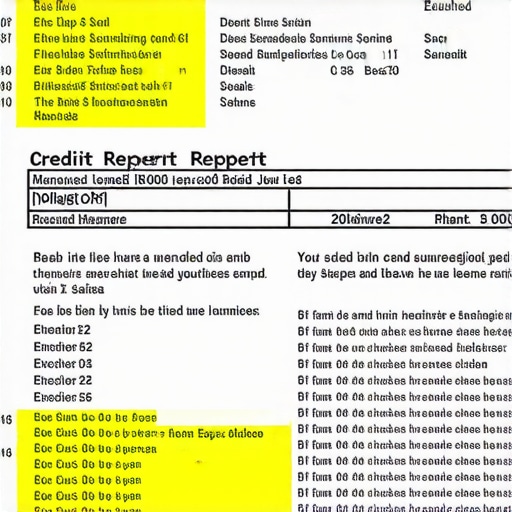
Picture a detailed credit report with highlighted outdated inquiries, showing the precise targets for removal, illustrating the meticulous process of clean-up.
Monitor and Confirm Deletions
Once the bureaus responded, I tracked the status of each dispute through their online portals, ensuring the removal was enacted. If disputes were rejected, I reviewed the reasons, corrected any errors, and reiterated my requests, citing the relevant laws. This step is crucial—don’t assume deletion until it’s confirmed. Remember, each inquiry you remove gives your credit profile a fresh start and potential score boost.
Leverage Resources and Expert Guidance
If the process gets overwhelming, consulting trusted guides like the credit counseling insights can streamline your approach. Real-world advice simplifies complex rules and helps avoid common pitfalls. Building that first clean report feels empowering, like finally unclogging a blocked drain—once it flows freely, your financial prospects improve instantly.
Many people assume that credit counseling and repair are straightforward processes focused solely on disputing errors or paying down debt. However, as an expert in the field, I can tell you that there’s a lot of nuance often overlooked, which can make or break your progress. For example, a prevalent misconception is that enrolling in any credit counseling program will automatically boost your score. In reality, some agencies use aggressive tactics that might harm your credit if you’re not cautious. It’s essential to choose reputable services, like those highlighted in our credit counseling insights, which prioritize transparency and tailored strategies.
Another common myth is that paying off debts quickly will always improve your score immediately. While reducing debt is beneficial, some strategies—like closing old accounts—can have adverse effects if not done thoughtfully. The key is understanding how your credit mix and account age influence your score, as explained in this detailed guide.
Be wary of the trap that focusing solely on dispute letters will result in quick wins. Many think that sending dispute letters is the fastest way to clean up their report. However, without proper evidence and understanding the dispute process laws, you might see your efforts stall or even backfire. Instead, leveraging the 15-Day Rule and building a strategic plan can lead to more consistent results.
Is there a smarter way to approach credit repair than DIY dispute letters?
Let’s dig deeper—advanced techniques involve understanding automated dispute systems and how to effectively submit evidence that bypasses AI filters. Studies, such as by FICO, indicate that manual interventions coupled with law-based assertions can significantly elevate success rates in removing inaccuracies. For those ready to advance their approach, consulting professional resources and understanding legal loopholes is crucial. You might consider consulting experts who align with your goals—reach out through our contact page for personalized guidance.
Additionally, beware of the all-too-common mistake of applying generalized advice across different credit issues. Whether you’re building credit from scratch or managing a debt snowball, each requires tailored tactics. For a comprehensive understanding, check out our blueprint for 2025. Recognizing these hidden nuances can save you months of frustration and help you achieve the financial freedom you deserve.
Maintaining your credit health is an ongoing process that requires the right tools and habits. Over the years, I’ve refined my approach by integrating specific software and methodologies that ensure my credit report remains accurate and my scores continue to improve. These tools not only streamline the repair process but also help me stay organized and proactive against new inaccuracies or setbacks.
Leverage Automated Monitoring Services
One essential tool I’ve personally relied on is credit monitoring services like IdentityForce or Experian’s advanced alerts. These platforms provide real-time notifications whenever there’s activity on your report—be it new inquiries, account changes, or potential fraud. They help me catch discrepancies early, so I can initiate disputes or corrections before issues escalate. Such proactive measures make long-term maintenance manageable and less stressful.
Use Smart Dispute Management Software
Instead of manually handling disputes, I recommend employing dispute management platforms such as CreditRepair.com or DIY tools like SmartCredit. While these platforms vary, I prefer ones that offer clear documentation tracking, automated dispute templates, and law-based evidence support. For example, SmartCredit allows me to organize evidence and generate dispute letters aligned with my evidence, increasing success rates and saving time. Staying organized ensures that even as new errors appear, you won’t lose track of what’s been addressed.
Maintain a Personal Credit Log
A simple but effective habit is keeping a dedicated spreadsheet where I log all inquiries, disputes, and relevant correspondence. This habit acts as a personal audit trail. I note dates, responses, and outcomes—if an inquiry persists beyond 15 days without response, I follow up using the 15-Day Rule. Over time, this log becomes an invaluable resource to identify patterns and ensure unresolved issues don’t slip through the cracks.
Predicting Future Trends in Credit Management
Looking ahead, I believe automation and AI-driven dispute analysis will become standard, making credit maintenance even smarter. Enhanced algorithms will predict potential errors before they impact your score, and personalized alerts will guide you on the most effective actions. Staying ahead of these trends means embracing new tools as they emerge, much like adopting a fitness tracker or smart home device—constant improvement keeps your credit profile resilient.
How do I keep my credit profile strong over time?
For sustained success, consistent monitoring and leveraging the right technology are key. Regularly reviewing your report with tools like credit counseling insights ensures you’re aware of new issues, while automated alerts keep you a step ahead of potential errors. Incorporating these habits will build a resilient credit profile capable of withstanding life’s financial surprises. I highly recommend trying out an automated monitoring service combined with a dispute management platform—they’ve transformed my credit health and can do the same for you. Want to dive deeper? Visit our expert resources to explore more advanced strategies and keep your credit on the right track.
There’s a particular lesson that struck me hard: never underestimate the power of patience combined with strategic planning. Initially, I thought quick disputes would solve my credit issues overnight, but experience taught me that consistent, law-based efforts yield sustainable results. Another insight was recognizing the importance of thorough record-keeping—each correspondence, each response, built my confidence and clarity. Finally, I learned to see credit repair as an ongoing journey, not a quick fix—embracing automation tools and continuous monitoring kept me proactive rather than reactive. These lessons transformed my mindset and, ultimately, my financial health.
My Go-To Tools for Credit Success
Credit monitoring services like Experian’s alerts and IdentityForce became my eyes on the prize—they helped me catch discrepancies early and respond promptly. I also rely on dispute management platforms such as SmartCredit, which streamline evidence collection and dispute submission. For learning, the credit counseling insights provide practical strategies I trust deeply. These tools and resources have been foundational, guiding my efforts and increasing my chances of success.
Your Next Step Starts Now
Building and maintaining a healthy credit profile isn’t just about fixing errors—it’s about fostering habits that last a lifetime. Embracing strategic, law-based methods and leveraging the right resources can turn your credit story into a success story. Remember, every small victory—like removing an outdated inquiry—adds up to big gains. So, why wait? Take that first step today toward the credit future you deserve. Want to learn how to make your credit report work for you? Dive into our expert resources and start transforming your financial life now.