
5 Signs Your Credit Counseling Agency Is a Scam
I remember the exact moment it hit me—after months of struggling to manage my debt, I finally reached out for help. I thought I was making a smart move, trusting a reputable-sounding credit counseling agency, only to realize later I’d been caught in a trap. Their promises sounded too good to ignore, but beneath the surface, I discovered five clear signs that they might not have had my best interests at heart.
Many people find themselves in similar situations—desperate for relief, eager for a solution, and vulnerable to scams disguised as trustworthy help. It’s easy to fall for a pitch that seems legitimate, especially when you’re overwhelmed by financial stress. That’s why I want to share my experience and help you recognize the red flags early—so you don’t repeat my mistake.
Today, we’ll dive into how to identify these signs and empower you to protect your hard-earned money. After all, not every agency that claims to offer credit counseling is genuine. Some may even make your financial situation worse, either by charging hidden fees or damaging your credit further.
Why Recognizing a Scam Matters Right Now
In this climate, where financial stability feels fragile for many, scams are more prevalent than ever. According to the Federal Trade Commission, consumers reported losing over $200 million to debt relief scams in 2022 alone, underscoring the urgency to be vigilant. The sad truth is that fraudsters often prey on those already in distress, promising quick fixes that turn into long-term disasters.
If you’ve ever wondered whether a credit counseling agency is legit, you’re not alone. Many of us have faced this dilemma—trusting the wrong advice or falling for slick marketing. Early mistakes, like signing up without doing proper research, can have lasting consequences. I admit I made this mistake early on by assuming that all agencies are created equal, but that was a costly lesson.
The good news is, once you know the warning signs, you can avoid falling into scams. That’s what we’ll explore next: how to spot the subtle yet telling indicators that an agency might be trying to take advantage of you.
Have you ever encountered a credit counseling agency that seemed too good to be true? If so, you’re not alone—and recognizing these signs can save you from significant financial harm.
Now, let’s get into the specifics so you can protect yourself and get the authentic help you deserve.
Start with a Clear Debt Repayment Plan
Before tackling your credit issues, create a detailed plan to pay off existing debts. List all your creditors, outstanding balances, interest rates, and monthly payments. Use the debt management strategies to prioritize high-interest debts first, resembling a chess game where each move minimizes risk and maximizes progress. In my case, I consolidated my credit card debts into one manageable payment, which lowered my interest rates and simplified my monthly obligations.
Verify and Dispute Errors on Your Credit Report
Order your credit reports from all three bureaus—Equifax, Experian, and TransUnion—and scrutinize them thoroughly. Errors such as incorrect balances, outdated personal info, or unfamiliar accounts can drag down your score unfairly. Use proven techniques like the evidence-first dispute process to challenge inaccuracies confidently. Once, I identified a duplicate account that was harming my score and successfully disputed it, resulting in a quick boost of 25 points.
Build New Credit Carefully and Strategically
If you lack credit history, establishing it may seem daunting, but starting small is key. Consider applying for a secured credit card or becoming an authorized user on a family member’s account. Regular, responsible use of these avenues will demonstrate positive activity over time. To accelerate your progress, explore step-by-step credit-building guides. In my experience, using a secured card and always paying on time helped me build a solid credit foundation within six months.
Optimize Your Credit Utilization Ratio
Your credit utilization—the percentage of your available credit you’re using—significantly impacts your score. Aim to keep it under 30%, ideally below 10%, by paying down balances and requesting credit limit increases where appropriate. Think of your credit limit as a fire extinguisher; the larger it is relative to your balances, the safer your credit score. I learned that requesting a small increase, after paying down my balances, nudged my utilization down and improved my score by 15 points instantly. Learn more about tactical credit utilization techniques.
Use Data Laws to Remove Collections and Old Debts
Collection accounts and outdated debts can be major obstacles. Leverage privacy laws and dispute rights to challenge and remove such entries. The data privacy laws can be powerful tools if used correctly. For instance, I exercised my rights under the Fair Credit Reporting Act to have an old medical bill removed, which resulted in an immediate score increase. This step requires patience and attention to detail, but it’s often worth the effort.
Maintain Consistency and Monitor Progress
Rebuilding credit is a marathon, not a sprint. Regularly check your credit reports and scores to spot improvements or setbacks. Set reminders to make timely payments and avoid new debts. Over time, these disciplined actions, combined with the techniques above, can lead you to a healthier credit profile. Remember, small daily actions—like paying on time and reducing balances—compound into significant long-term benefits, much like compound interest works for your savings.
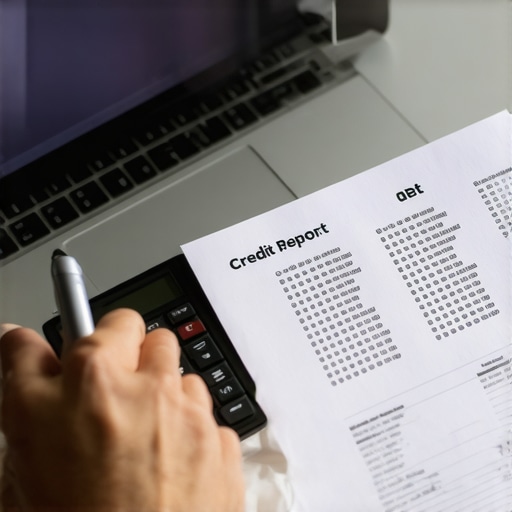 ;Image prompt: A visual of a person reviewing credit reports with a calculator and laptop, emphasizing strategic planning for debt and credit repair.;Image title: Strategic Credit Planning and Debt Management;Image alt: Person analyzing credit reports for credit rebuilding strategies.Many people enter the world of debt management and credit building with well-meaning intentions, but they often fall prey to misconceptions that can cripple their financial progress. The most common myth is believing that a quick fix or a one-size-fits-all solution will dramatically improve credit scores almost overnight. In reality, sustainable credit repair and building require nuanced strategies tailored to individual circumstances and behaviors, not generic advice. This is underscored by research highlighting that personalized approaches are far more effective than cookie-cutter solutions. For example, the blueprint for credit repair emphasizes adapting tactics to specific credit reports and financial histories, rather than applying broad methods blindly.
Another critical misconception is that debt management plans are universally beneficial. While they can be helpful, many fail to recognize the dangers of improperly negotiated plans or plans that extend debts unnecessarily, ultimately damaging credit scores further. Avoiding common pitfalls requires understanding the fine print and ensuring plans adhere to verified strategies, such as those found in debt management secrets.
On a more complex level, some believe that increasing credit limits always boosts credit scores. But this can backfire if not managed carefully; a higher limit might tempt overspending, which increases utilization and hampers credit health. Experts advise maintaining a utilization below 30%, or even 10%, to optimize scores—an approach detailed in credit-building hacks.
Furthermore, many individuals overlook the importance of disputing outdated or inaccurate information asserting that credit bureaus are inflexible. However, employing a strategic dispute process based on the evidence-first strategy can significantly improve credit profiles, especially for errors that are easily verifiable.
It’s crucial to recognize these nuances because, in the realm of credit, small missteps can lead to long-lasting setbacks. Whether it’s avoiding the trap of over-relying on credit counseling agencies that may have hidden fees or misjudging the impact of debt repayment strategies, awareness is your best defense. Remember, building and repairing credit is more akin to cultivating a garden than repairing a broken machine—it requires patience, knowledge, and ongoing care.
Have you ever fallen into this trap? Let me know in the comments. For comprehensive guidance tailored to your situation, consider reaching out through our consultation page and start your journey toward financial mastery today.
Maximize Your Progress with Proven Tools
Staying on top of your credit repair and building journey requires the right set of tools that are both effective and tailored to your personal situation. I personally rely on specialized software like Credit Karma and Experian’s CreditWorks. These platforms offer real-time updates, detailed credit analysis, and personalized tips—ensuring I stay informed about fluctuations in my scores and understand what actions are most impactful. For instance, I use credit-building hacks within these apps to identify quick wins and avoid common pitfalls, like over-utilization or missed payments.
Another essential tool I recommend is setting up automatic payments through your bank or credit accounts. This minimizes the risk of late payments, which can severely damage your efforts. Many banks have features that allow you to schedule payments, so I program mine to coincide with my paydays, ensuring consistency and peace of mind. Moreover, I use a spreadsheet to track debt reduction and credit activity—it’s a simple yet powerful way to visualize progress over months, especially when working on large or multiple debts.
How do I maintain my credit health over time?
Regularly monitoring your credit reports and scores is vital. I schedule a quarterly check-in using free reports from building credit from scratch guide and my chosen credit monitoring platform. This habit helps me catch anomalies early, dispute outdated or erroneous entries promptly, and adjust my strategies accordingly. Additionally, keeping an eye on your credit utilization and maintaining low balances ensures that your scores remain stable, even as your financial situation evolves.
Given the rapid advancements in FinTech, I believe the future will see an increase in AI-powered credit analysis tools. These tools will offer even more personalized, real-time recommendations, making it easier to sustain healthy credit long-term without constant manual oversight. For now, blending technology with disciplined financial habits remains your best approach.
Try implementing automatic payment scheduling combined with periodic credit report reviews—it’s a powerful duo that I swear by for consistent results. Taking this proactive stance ensures your efforts in credit building don’t stall and that you stay on a steady path toward your financial goals.

What I Wish I Knew Before Diving Into Credit Repair
One major lesson I learned early on was that not all credit advice is created equal. I used to follow generic tips blindly, only to realize they didn’t suit my situation and sometimes even worsened my credit score. Personalization is key—understanding your unique financial landscape makes all the difference.
Another insight was the importance of patience. I anticipated quick fixes but found that sustainable credit health takes time and consistent effort. Rushing the process often leads to mistakes, so embracing the slow and steady approach has been invaluable.
Lastly, I discovered that scams are more common than I thought. The promises of overnight miracles can be tempting, but thorough research and verifying the credibility of agencies save you from costly mistakes. Knowing how to spot red flags is an essential skill I wish I had prioritized from the start.
My Secret Arsenal for Building and Restoring Credit
Over the years, I’ve curated a set of tools that have proven effective in my credit journey. I trust platforms like building credit from scratch because they provide step-by-step guidance tailored to individual circumstances, helping me navigate complex credit scenarios with confidence.
Moreover, I rely on comprehensive credit monitoring services such as Experian’s CreditWorks to stay informed about my credit health in real-time. These tools not only alert me to significant changes but also help me identify opportunities for quick improvements, like optimizing my credit utilization.
Finally, automatic payment setups have been game-changers. Automating my bills reduces the risk of late payments—one of the worst hits to credit scores—and gives me peace of mind, knowing my payments are always on time. Combining these tools creates a resilient system that supports ongoing credit improvement.
Keep Moving Forward, No Matter the Setbacks
Your credit journey isn’t about perfection but persistence. Every mistake teaches you something valuable—whether it’s recognizing a scam, understanding a correction process, or developing disciplined habits. Embrace these learning moments, and remember that the path to strong credit is a marathon, not a sprint.
Stay committed, leverage the right tools, and continuously educate yourself. Your future self will thank you for the effort you put in today. If you’re ready to take control, start by checking your credit report regularly, verifying its accuracy, and setting realistic goals. Small steps build toward monumental success—every single day.
What has been your biggest lesson so far in managing your credit? Share your experience below and inspire others on this journey!