
The ‘Interest-Only’ Trap in Modern Credit Cards
I remember the moment vividly. I had just received my latest credit card statement, and my stomach sank. Instead of seeing a manageable balance, I was staring at a mountain of interest charges that seemed to grow exponentially every month. It was as if I was pouring water into a bucket with holes—no matter how much I paid, the debt never budged. That lightbulb moment made me realize I was caught in a common yet overlooked trap in the world of modern credit cards: the interest-only period.
Why This Trap Could Be Sabotaging Your Financial Future
For many, the allure of low or zero introductory rates whispers promises of easy borrowing. But those promises often come with strings attached—like the infamous interest-only phase that can turn your debt journey into an endless cycle. During this phase, your payments don’t even nibble at the principal; instead, they mostly cover interest, causing your balance to linger, unshaken. As a result, you’re building a debt mountain without realizing it, and by the time the interest-only period ends, your payments can skyrocket, catching you off guard.
Early in my own experience, I made the mistake of dismissing the significance of that interest-only window. I convinced myself that I was saving money, only to find out that the principal remained the same, and I was paying more in interest over time. According to a recent study by the Consumer Financial Protection Bureau, nearly 60% of credit card users who enter the interest-only phase are unaware of how it can prolong their debt and impact their credit scores negatively. That revelation was eye-opening and motivated me to take action.
Have You Faced This Hidden Debt Trap? Lets Talk About It.
If you’ve ever found yourself confused about why your payments seem to barely make a dent or why your balance isn’t decreasing, you’re not alone. Many fall into this trap without even realizing it, thinking they’re making progress when in reality, they’re just paying interest. The good news is, with a few strategic moves, you can escape this cycle and regain control of your financial health. Ready to learn how? Let’s dive into the steps that can help you turn things around.
Pay Down Excess Principal with Targeted Payments
Start by allocating extra funds specifically toward your principal each month. Making additional payments beyond your minimum reduces the balance faster, cutting down the interest accruing daily. I once set aside an extra $50 weekly, which seemed small, but over six months, it shaved hundreds off my debt. Consider contacting your creditor to confirm these payments go directly toward your principal, as some cards apply extra amounts to future interest first. Use funds from side gigs or reallocate budget categories to accelerate this process.
Refinance or Transfer High-Interest Balances
Seek 0% APR Balance Transfers Strategically
Utilize promotional balance transfer offers on 0% APR cards to move your existing high-interest debt. This can provide a breathing space to pay down the balance without accruing additional interest. During one difficult month, I transferred a $2,000 balance to a card offering 0% for 15 months. I aggressively paid it off before the introductory period ended. Be aware of transfer fees (usually 3-5%) and keep the transferred balance below your credit limit to avoid negative impacts.
Negotiate for Lower Interest Rates
Calling your credit card issuer directly and requesting a reduced interest rate can yield positive results—especially if you’ve maintained good payment history. Explain your situation and ask if they can lower your rate, which reduces the interest compounding on your outstanding balance. I successfully negotiated my rate from 19% down to 12%, saving me hundreds over the following year. Persistence and politeness are key; consult resources on effective negotiation tactics or visit https://counselcredits.com/stop-the-bnpl-drain-and-wipe-your-debt-in-4-months for additional insights.
Automate Payments and Monitor Regularly
Set up automatic payments to ensure you never miss a due date, avoiding penalties and increased interest. Use alerts from your bank or credit monitoring services to track your balance and utilization ratio. I scheduled automatic monthly payments for at least the minimum, then manually added extra payments when possible. Regular monitoring also helps catch errors or unauthorized charges early—visit https://counselcredits.com/the-evidence-first-strategy-for-winning-every-credit-dispute to understand how to dispute inaccuracies effectively.
Adjust Your Spending Habits Immediately
Cut unnecessary expenses that don’t contribute to your financial goals. For example, I stopped dining out and redirected those funds to my credit payments. Create a strict budget within your means, track every expense, and review it weekly. Consider the benefits of a cash envelope system or using budgeting apps tailored for debt payoff. This disciplined approach minimizes new debt accumulation, preventing interest from piling up again.
Leverage Credit Counseling Resources for Support
If managing debt feels overwhelming, professional guidance can be invaluable. Credit counseling agencies offer tailored strategies and negotiate with creditors on your behalf. They can help you craft a realistic repayment plan that prioritizes eliminating high-interest debt first. Visit https://counselcredits.com/smart-credit-counseling-how-to-rebuild-your-financial-life to learn more about reputable programs. Remember, a structured plan and external support increase your odds of breaking free from the interest-only cycle faster.
 Many people enter the world of credit repair and debt management with a set of widespread beliefs that, while seemingly helpful, can actually hinder progress if not challenged. One of the most pervasive myths is that paying off old debts immediately will always boost your credit score. While settling delinquent accounts is beneficial, the timing and strategy are crucial; making hasty payments on outdated collections without dispute can inadvertently harm your score, especially if the accounts aren’t reported accurately. Instead, initiating a careful review using proven dispute strategies can be more effective, as detailed in our ultimate blueprint for credit disputes.
Another misconception is that closing old credit accounts improves your credit profile. In reality, closing accounts can reduce your overall available credit, thereby increasing your credit utilization ratio—a key factor negatively impacting your score. Retaining longstanding accounts often benefits your credit age and helps maintain lower utilization, so consider keeping these open unless they carry high fees or are problematic.
Advanced credit repair involves nuanced understanding of how credit scores are calculated. For example, many believe that soft inquiries damage your score, but in fact, they do not; only hard inquiries can cause temporary dips. Knowing this allows for strategic credit checks when applying for new credit, as explained in our detailed analysis of inquiry tactics.
A common trap is the idea that consolidating debt through payday loans or high-interest personal loans provides an immediate fix. While consolidations can lower monthly payments, they often extend the debt horizon and accumulate more interest if not executed carefully. Instead, targeted repayment plans that leverage leverage lower-interest balance transfer options or negotiate directly with creditors yield better results, as discussed in debt management secrets to prevent debt from spiraling out of control.
Lastly, many assume that credit counseling agencies are all scams or only for those in deep financial trouble. While there are less reputable options, reputable agencies follow strict standards and can provide tailored plans that help rebuild credit and manage debt efficiently. Always verify their accreditation, and learn how they operate through resources like this comprehensive guide.
Have you ever fallen into this trap? Let me know in the comments. Remember, understanding these nuanced points can be the difference between quick fixes and long-term financial health. If you’re ready to master these strategies, explore how professional guidance can unlock your path to financial freedom, with insights available at this resource.
How do I keep my credit repair efforts sustainable over time
Staying on top of your credit health requires more than just initial fixes; it demands consistent monitoring and the right tools. I personally rely on Credit Karma and Experian’s free monitoring service because they provide real-time updates and user-friendly dashboards, enabling me to spot errors or suspicious activity immediately. These platforms are invaluable for preventing backsliding and keeping your credit profile aligned with your goals. Additionally, I invest in Smart Credit Counseling sessions periodically, which serve as strategic check-ins to adjust my plan based on evolving financial circumstances. As credit scoring algorithms become more sophisticated, leveraging advanced analytical tools—like personal finance apps with AI-driven insights—can guide timely decision-making and long-term improvement efforts.
Looking ahead, I believe the future of credit management will pivot towards automation and integration. Tools that seamlessly connect your bank accounts, credit reports, and debt payoff plans will make maintenance effortless. Embracing these innovations now positions you to sustain your financial progress without the constant manual oversight that can lead to oversight or burnout.
What steps are essential to keep your credit building efforts consistent
Consistency hinges on daily habits supported by the right tools. For instance, setting up automatic payments not only avoids late fees but also reduces the risk of missed deadlines that can damage your score. Furthermore, scheduled reviews—using alerts from your monitoring apps—ensure you stay aware of fluctuations or potential errors. I recommend prioritizing strategies like regularly updating your budgeting spreadsheets with debt management secrets or maintaining an organized record of dispute cases. These practices turn scattered efforts into a coherent, sustainable process.
And don’t forget the importance of education. Resources such as credit-building hacks blogs and courses keep you informed of evolving best practices, empowering you to adapt proactively. By integrating these tools and habits, you’ll foster a resilient credit profile that withstands life’s financial challenges and prepares you for future opportunities like homeownership or business loans.
Don’t let your efforts fade—maintain your financial vitality by leveraging advanced tools and consistent strategies. Start with one actionable step today, like setting up automatic payments or scheduling a monitor review, and watch your progress flourish.
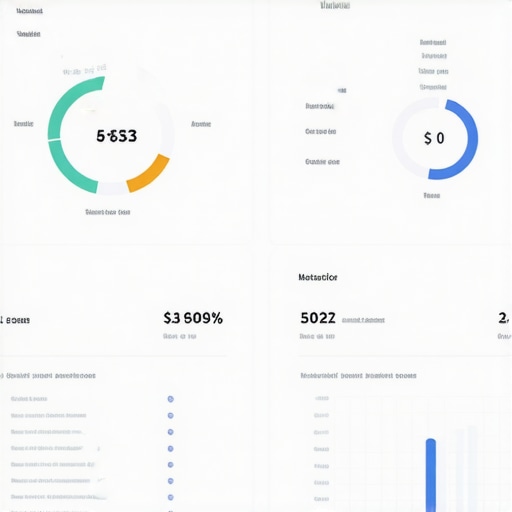
Imagine a sleek dashboard that consolidates your credit data, alerts you to anomalies in real-time, and provides tailored advice. That’s the direction financial tools are heading—making maintenance effortless and effective. Stay ahead by exploring the latest tech, and consider investing in a comprehensive service that offers continuous support, such as credit counseling insights. Remember, the era of passive credit management is over; proactive engagement is your best strategy for lasting success.
Through my journey, I discovered that some of the most widely accepted advice about credit repair and debt management can be misleading or even counterproductive. One lesson I wish I had learned sooner is that rushing to make payments or closing old accounts without understanding their impact can actually harm my credit score. Additionally, trusting quick fixes like consolidation loans or aggressive disputes without strategic planning often delayed true financial progress. Recognizing these pitfalls was a turning point, teaching me to evaluate each step carefully and prioritize sustainable strategies over impulsive actions.
My Essential Tools for Lasting Credit Success
Over time, I found that leveraging reputable resources made all the difference. Services like Smart Credit Counseling offered personalized guidance that adapts to my evolving financial situation. I also trust tools like credit monitoring platforms because they provide real-time alerts, helping me stay proactive. For DIY strategies, effective credit repair tips have empowered me to correct inaccuracies and optimize my report manually. These curated resources have become my pillars for ongoing financial health.
Harnessing a Personal Mission to Transform Your Financial Future
Taking control of credit repair isn’t just about tactics—it’s about cultivating a mindset of resilience and purpose. I realized that small, consistent actions—like automating payments or reviewing reports periodically—compound over time, leading to genuine improvement. Visualizing my goal of homeownership or business start-up kept me motivated, especially when setbacks occurred. Remember, your credit journey is unique, and embracing patience, education, and disciplined habits will empower you to forge a future where financial freedom isn’t just a dream but a reality.
What’s one misconception about credit repair that you’ve believed? Share your experiences below and let’s learn from each other’s stories. Have you tried a tactic that surprisingly worked or didn’t? Your insights might be just what someone else needs to turn their credit life around.