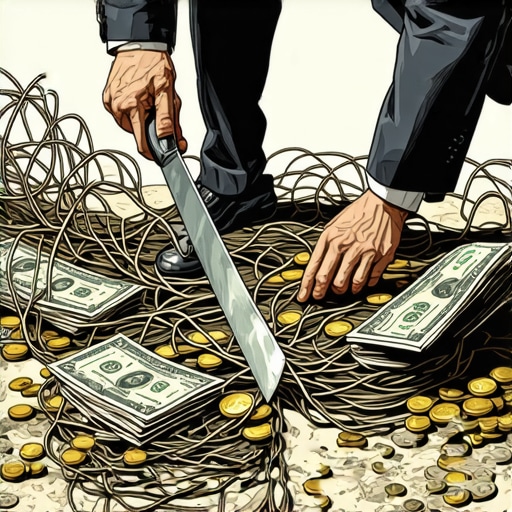
The ‘Interest-Saving’ Hack for Car Loans and Mortgages
It was a cold morning, and I stared at my bank statement, feeling utterly defeated. Despite making all my payments on time, my interest rates on my car loan and mortgage seemed like an unbreakable fortress. I wondered, “Is there really any way to get ahead when lenders keep draining my wallet?” That lightbulb moment changed everything. I discovered a simple yet powerful ‘Interest-Saving’ hack that transformed my financial game plan.
Why Small Changes Make a Big Difference in Your Borrowing Costs
Many people assume that the best way to lower their interest payments is to pay off their loans faster or refinance endlessly. But what if I told you that a few strategic tweaks could cut your interest costs significantly without drastic sacrifices?
This isn’t just theory; it’s backed by real-world results. According to a study by Moody’s Investors Service, smarter debt management strategies can save borrowers thousands over the life of their loans. The key is understanding how to leverage the system in your favor.
Have you ever felt frustrated watching your hard-earned money drain away into high-interest payments, wishing there was a way to outsmart the system? You’re not alone. Early on, I made the mistake of focusing solely on paying down principal, ignoring how the structure of interest worked. That simple oversight kept me in an interest trap longer than necessary.
In this post, I’ll guide you through proven strategies I’ve used myself and that you can implement today. We’ll explore easy-to-apply tactics that help reduce the interest you pay on car loans and mortgages, potentially saving you thousands. Ready to take control of your financial future? Let’s dive into the first step.
Prioritize Your Debt Snowball or Avalanche
Start by listing all your debts, including balances, interest rates, and minimum payments. Decide whether the debt snowball (paying smallest balances first) or avalanche method (highest interest rates first) suits your situation better. I once targeted my high-interest credit cards first, which immediately reduced my monthly interest accumulation. Implement this by directing extra funds towards your chosen debt while maintaining minimum payments on others. This approach accelerates principal repayment and decreases total interest paid.
Negotiate Better Terms with Lenders
Contact your lenders directly—many are willing to reduce interest rates or modify payment terms if approached professionally. During my experience, I called my mortgage servicer and requested a lower rate, citing improved credit or market offers. They often have programs or incentives for good customers, especially if you’ve been consistent. Always stay polite, prepared with your financial documents, and ask about options like rate reductions or forbearance to temporarily lower interest costs.
Leverage Balance Transfers or Consolidation

Utilize balance transfer offers on credit cards with 0% introductory APR to move high-interest debt temporarily. For example, I transferred a high-interest credit card balance to a new card offering 0% for 15 months, saving hundreds in interest. Be mindful of transfer fees and the expiration date of the promotional rate. Alternatively, consider debt consolidation loans that offer lower interest rates than your current debt—these can be powerful to shrink long-term interest. Research and compare options thoroughly, using resources like mastering debt management strategies.
Automate & Optimize Payments
Set up automatic payments to ensure on-time payments, avoiding late fees and penalty interest rates. Plus, schedule additional payments toward principal when possible—each extra dollar reduces the base on which interest accrues. I used online banking features to automate my payments and increased my payments periodically, which resulted in measurable interest savings over a year.
Use Data & Credit Insights to Your Advantage
Regularly monitoring your credit report reveals opportunities to correct errors that might be increasing your interest rates or limiting your credit limits. Dispute inaccuracies promptly; inaccuracies can inflate your perceived risk and cause higher interest costs. I checked my credit report insights and identified and corrected a mix-up in personal info, which improved my credit score, paving the way for better loan terms.
Revisit and Refinance When Conditions Improve
Refinancing your loans when market rates drop can significantly cut interest expenses. For instance, I kept a close eye on market trends and refinanced my mortgage at the right moment, reducing my interest rate by over 1%. Contact lenders, compare offers, and negotiate terms—sometimes you can negotiate for waiving certain fees or obtaining additional benefits. Use online tools and services to evaluate if refinancing makes sense for your situation, and consult resources like why debt consolidation fails to avoid pitfalls.Many assume that signing up for credit counseling or engaging in credit repair is a quick fix or a one-size-fits-all solution. However, this misconception often leads to costly mistakes. In reality, a common trap is believing that all credit counseling agencies operate transparently and have your best interests at heart. The truth is, some unscrupulous firms prey on vulnerable consumers, promising rapid credit score boosts or debt relief without delivering real results. Always verify the credibility of an agency by researching their reviews and avoiding those with a high number of complaints, such as those detailed in warning signs of scams.
A critical nuance many overlook is that not all forms of credit counseling are equally effective; the approach must be tailored to your specific financial situation. For example, some consumers benefit more from debt management plans, while others need targeted credit repair strategies to remove erroneous items from their reports. To understand which method suits you best, explore the mastering debt management strategies or learn about effective credit repair tactics that can boost your score quickly.
Another advanced mistake involves neglecting the impact of authorized user accounts. Many believe adding authorized users can rapidly increase their scores, but if not managed correctly, this can backfire and harm your credit profile — a nuance often missed. Properly leveraging authorized users requires understanding the nuances, such as the age of accounts and payment histories.
Finally, the world of credit repair and counseling is nuanced by the legal landscape. Many think all actions are lawful or expect quick legal remedies, but there are pitfalls. For example, disputing accurate information can be flagged as frivolous if done excessively, potentially harming your case or even resulting in legal repercussions. Therefore, it’s wise to consult reputable resources or professionals to craft dispute strategies aligned with current laws here’s our privacy policy page.
In summary, the real expertise lies in understanding that credit counseling and repair are not magic bullets but complex, nuanced processes. They require tailored strategies, awareness of scams, and a legal mindset to truly succeed. Have you ever fallen into this trap? Let me know in the comments, and share your experiences or questions!Maintaining your improved credit profile and debt management system requires the right tools, consistent routines, and awareness of emerging trends. I personally rely on a combination of sophisticated software and disciplined methods to keep my financial progress on track. One of my primary tools is Personal Finance Tracker, a comprehensive spreadsheet I customize to monitor my balances, due dates, interest rates, and payment history. This manual system provides me with real-time insights and ensures I never miss a payment, which is crucial for maintaining a good credit score.
For more automated monitoring, I use credit monitoring services that alert me immediately to any changes or errors in my report. These services are invaluable because they help catch inaccuracies early, allowing me to dispute and correct issues promptly, as outlined in DIY credit repair strategies.
Additionally, I leverage budgeting apps like EveryDollar for ongoing expense control, especially when managing debt repayment plans. This app helps me allocate funds toward high-interest debts first, aligning with proven debt reduction strategies like the ratio method discussed in this guide. Consistent review of my budget ensures I stay disciplined, avoiding lifestyle creep and maintaining momentum.
Looking ahead, I predict that AI-powered credit analysis tools will become even more integral. They will tailor personalized advice and automatic dispute strategies, making maintenance more accessible and efficient. To prepare, I suggest trying out manual review routines using transaction logs and credit reports—before automation does it for you—to fully understand your credit profile.
How do I keep my credit and debt management strategies effective over time?
Regularly update your data and review your strategies, perhaps monthly, to adapt to changing financial circumstances or new opportunities. Making this a habit ensures you catch new errors quickly, refinance at opportune moments, or adjust repayment plans before setbacks occur.
Incorporate tools like credit building hacks periodically into your routine to reinforce your credit profile. For example, periodically requesting a small increase in your credit limit can boost your score through increased utilization flexibility—just ensure you do so responsibly.
Start by integrating one or two of these tools into your financial routine today, and observe how they elevate your ability to maintain long-term credit health. Remember, the key is consistency and awareness. As you get comfortable, explore more advanced tools and tactics to push your progress even further.
What the Journeys Teach About Credit Mastery
One of the most valuable lessons I learned was that debt management isn’t just about paying bills—it’s about understanding the system deeply. Recognizing the power of strategic refinancing and credit utilization opened doors I never knew existed, turning me from a passive payer into an active strategist. Sometimes, the smallest adjustments, like automating payments or disputing inaccuracies, can lead to massive gains, underscoring the importance of continuous education.
Transform Your Strategy with These Tools
Over time, I discovered that the right toolkit makes all the difference. Resources like credit monitoring services helped me catch errors early, while building credit from scratch guides provided a clear path for newcomers. Leveraging online calculators and budgeting apps sharpened my financial discipline, proving that combining technology with knowledge accelerates progress.
Your Path Starts Today: Embrace the Future of Credit Improvement
The journey to better credit isn’t reserved for experts—it’s accessible to anyone willing to take consistent action. Each small step compounds into significant gains, transforming financial stress into confidence. Start with one new habit or tool today, and watch how your credit health improves over time. Remember, you hold the power to shape your financial destiny—don’t wait for perfect conditions, begin now.