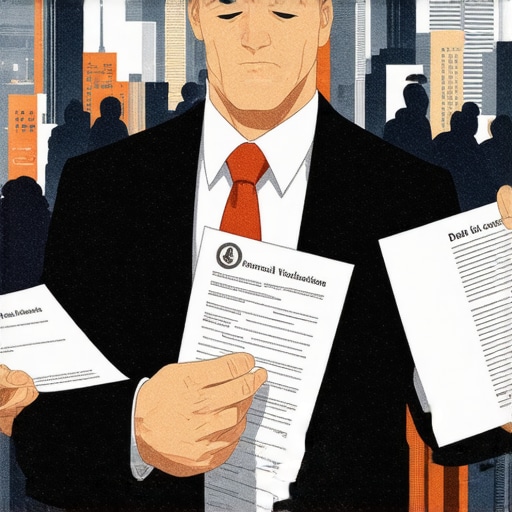
The ‘Validation’ Loophole Debt Collectors Hope You Ignore
There was a time I felt helpless every time the phone rings unexpectedly. Bills stacked up, and those persistent debt collection calls left me feeling cornered, overwhelmed, and desperate for a quick fix. It was in the midst of this chaos that I stumbled upon a little-known strategy—what’s called the ‘Validation’ Loophole.’ This discovery was a game-changer, revealing that many of those intimidating letters and calls might not be as ironclad as they appear.
Today, I want to share with you how understanding and leveraging this loophole can give you a real edge in managing, disputing, or even eliminating debts that seem impossible to tackle. Imagine turning those relentless collection notices into opportunities to reclaim control over your finances. That’s exactly what I experienced—and what I want to help you achieve too.
The Power of the ‘Validation’ Loophole
When debt collectors come knocking, most people react with anxiety or resignation. It’s easy to believe that their claims are unchallengeable, especially when the onslaught feels relentless. But what if I told you there’s a way to demand proof—proof that the debt is yours, accurate, and legally collectible? This is where the ‘Validation’ process shines. By legally requiring debt collectors to validate a debt before proceeding further, you can often find errors, bottlenecks, or even get debts invalidated altogether.
Early in my journey, I made the mistake of accepting collections without questioning them. I didn’t realize that just because a collector claims something is owed, doesn’t automatically make it true or legally enforceable. A helpful resource I wish I had found sooner is [this guide on effective credit repair tips](https://counselcredits.com/effective-credit-repair-tips-to-boost-your-score-today), which covers the importance of disputed accounts and how to handle them strategically.
Are You Wasting Money on Ineffective Debt Strategies?
Many folks, myself included early on, fall prey to common myths—like paying off a debt will boost your score or that settling always improves your credit. In fact, rushing into payments or settlements without understanding your rights can backfire, lowering your score or prolonging your financial struggles. Recognizing the ‘Validation’ loophole and using it properly was my first step towards turning the tables. If you’ve faced similar frustrations or feel like debt collectors are just operating with impunity, you’re not alone. And trust me, there is a way out.
The key is to stay informed and take strategic action. Over the next sections, I’ll guide you through practical steps—like how to properly invoke the validation process and other techniques to challenge those debts effectively. Let’s get started on reclaiming your financial peace of mind. Want to dive deeper into mastering debt management? Check out [this comprehensive resource on proven strategies for financial freedom](https://counselcredits.com/mastering-debt-management-proven-strategies-for-financial-freedom).
Initiate the Validation Request Correctly
Start by drafting a written request demanding proof of the debt. Use a clear, concise letter stating, “Please provide validation of this debt as per the Fair Debt Collection Practices Act.” Send this via certified mail with return receipt requested to ensure proof of delivery. When I first did this, I felt overwhelmed, but the process was straightforward. The collector has 30 days to respond. If they don’t, the debt must be dismissed.
Review and Analyze the Collector’s Response
Once you receive validation, scrutinize every detail. Look for discrepancies like mismatched account numbers, incorrect dates, or missing documentation. I once received a vague validation letter that lacked my signature or account details. These inconsistencies can be grounds to dispute the debt further or even have it removed if proven invalid.
Dispute Invalid or Incomplete Information
If errors are found, send a dispute letter highlighting the inaccuracies. Attach copies of supporting documents like the original contract or payment records. This step acts like a security checkpoint—stopping the collection process until the errors are resolved. I recommend keeping detailed records of all correspondence, which helped me later in negotiations.
Leverage the Statute of Limitations
Check whether the debt is beyond the statute of limitations—usually 3-6 years depending on your state. If it is, include this in your dispute letters, asserting the debt is time-barred. In my case, realizing a debt was older than I thought stopped the collector from pursuing further action, saving me stress and money.
Use the ‘Goodwill’ and Settlement Tactics
Sometimes, after invalidating or disputing a debt, reaching out with a goodwill letter or settlement offer can restore your credit profile. In my experience, a polite request explaining my situation prompted some creditors to remove negative entries as a courtesy. For effective negotiation, learn the art of pay-for-delete agreements by reviewing these negotiation tactics.
Document Every Step for Future Reference
Maintain a comprehensive log of all letters, responses, and conversations. This archive acts like a legal shield against frivolous lawsuits or undue collection attempts. I kept copies of every email and letter, which proved invaluable when I challenged further inaccuracies or resolved disputes.
Know When to Seek Professional Help
If the process becomes overwhelming or the debts are complex, consulting a credit counselor can streamline your efforts. They can assist in managing disputes, negotiating settlements, or creating a strategic plan to rebuild your credit. For expert guidance, explore these credit counseling insights.
Even experienced financial advisors sometimes fall into common misconceptions about debt management and credit repair. Many believe that paying off debts quickly will instantly boost your score, but in reality, strategic timing and understanding your credit profile matter more. Rushing payments without considering your credit mix or utilization can sometimes cause more harm than good. Moreover, some folks assume that consolidating debts always results in lower interest rates; however, without proper planning, it can prolong your debt cycle or hurt your creditworthiness.
A widely circulated myth is that closing old accounts improves your score. Contrary to popular belief, closing longstanding accounts may reduce your overall credit age, negatively impacting your credit score. Instead, maintaining a diverse credit mix and periodically reviewing your report for errors—using techniques outlined in credit-building hacks—can help you build a strong profile over time.
**Have you ever fallen into this trap?** Let me know in the comments.
For advanced readers wondering how to optimize credit scoring models, consider the nuances between FICO and VantageScores. While many focus solely on the FICO model, VantageScores often weigh recent credit activity more heavily, which can be leveraged during a strategic credit rebuild. According to credit scoring experts, understanding these subtle differences allows for tailored strategies—such as timing credit inquiries or managing account age—to give you a competitive edge.
Sometimes, the biggest mistake is neglecting the importance of regular report reviews. Errors like wrong balances, duplicate accounts, or outdated information can drag your score down. Initiating disputes based on evidence, and understanding the intricacies of the latest credit repair strategies, can significantly accelerate your journey to financial health.
In essence, mastering debt management and credit repair requires more than just paying bills on time; it demands a nuanced approach that considers timing, credit mix, and report accuracy. Avoid the trap of oversimplification by staying informed and strategic in your actions. Want to dive deeper? Explore these proven strategies to achieve lasting financial freedom.
Keep Your Credit Strategy Effective with Proven Tools
Maintaining and building your credit profile over time requires more than just initial actions; it demands consistent use of effective tools and a clear routine. Personally, I rely heavily on specialized software like Credit Karma and Experian’s Free Credit Reports because they provide real-time updates and comprehensive insights into my credit reports. These platforms help me monitor fluctuations, spot errors, and identify opportunities for improvement without monthly fees.
Beyond credit monitoring, I also utilize budget management tools like You Need a Budget (YNAB) to keep my debt repayment plan on track. YNAB’s method encourages proactive financial habits, making it easier to allocate funds for paying down balances or building savings, both of which positively impact credit scores. I’ve found that pairing credit monitoring with a disciplined budget track record is essential for long-term success.
Automating Your Credit Maintenance
Automation is a game-changer—setting up automatic payments ensures bills are paid on time, reducing the risk of late payments, which most adversely affect credit scores. Personally, I schedule automatic payments for credit cards and loans a few days before their due date. This habit has drastically minimized my missed payments and kept my score steady. Additionally, some tools like Qwilr allow me to send automated dispute requests if I detect inaccuracies in my reports, adding another layer of efficiency.
Forecasting Long-Term Results
Long-term credit health thrives on consistent, informed actions. For instance, I regularly review credit repair tips and tweak my approach based on evolving scoring models. Understanding upcoming changes, such as the upcoming shift towards more AI-driven credit assessments, helps me stay ahead. These insights are vital; according to TransUnion’s technical documentation, predictive analytics are increasingly shaping credit decisions, making ongoing education crucial for preservation and growth.
How do I stay on top of my credit gains?
Continuous monitoring and strategic adjustment are key. I set quarterly reviews to evaluate my credit profile strength, check score progress, and identify new opportunities. This proactive routine ensures my efforts aren’t just reactive but forward-thinking. Combining tools, automation, and ongoing learning makes the process sustainable and effective.
If you’re serious about maintaining your progress, I suggest you start by integrating free credit monitoring tools into your routine and setting automatic payments. For a deeper dive into advanced credit management, explore proven debt management strategies.
Throughout my journey to financial freedom, I discovered that beneath the surface of debt collection lies a realm of strategy and empowerment that many overlook. The most valuable lesson I learned is that you hold more control than debt collectors want you to believe. When you challenge their claims through the proper validation process, you not only protect yourself but can also uncover errors and even wipe out debts that seem unavoidable. This newfound knowledge transformed my approach from helpless acceptance to confident negotiation, and it can do the same for you.
Remember, the power to dispute, validate, or dismiss a debt doesn’t come from the lender but from your awareness and strategic action. If you’re ready to go beyond the surface and truly understand how to leverage the validation loophole, take decisive steps today. Your credit future depends on it. Dive deeper into proven credit repair systems by exploring these effective strategies for financial freedom.
Lessons That Changed My Credit Approach
- Beware of Quick Fix Myths: I used to think paying off small debts was enough, but I realized strategic timing and dispute rights matter more than rushing payments. The validation process revealed hidden errors that could be exploited, saving me time and money.
- Debt Validation Is Your Shield: When faced with intimidating collection calls, I learned to demand proof and scrutinize responses. This often stalled or invalidated debts, giving me breathing room to rebuild.
- Understand the Statute of Limitations: Knowing when a debt is too old to pursue changed everything. I avoided unnecessary payments and legal complications by leveraging this knowledge, which I’d wish I knew earlier.
- Don’t Accept Disputes at Face Value: I used to accept validation letters as proof, but digging into details uncovered inaccuracies that justified even more aggressive challenges.
- Stay Proactive, Not Reactive: Regularly reviewing reports and understanding your rights keeps you ahead of collection efforts, turning the tables in your favor.
My Essential Tools for Credit Mastery
- Credit Karma: I rely on this free platform for real-time updates and monitoring my credit health—simple, instant, trustworthy.
- Experian’s Free Credit Reports: Getting my report every month helps me catch errors early and dispute them confidently.
- YNAB Budgeting Software: Keeping my finances on track ensures I stay prepared to handle debts strategically and boost my credit over time.
- Automated Dispute Services: Tools like automated dispute requests save me countless hours and keep my efforts consistent.
Believe in Your Power to Reclaim Credit Confidence
The pathway to a healthier credit profile isn’t reserved for experts or lucky few—it’s crafted through informed decisions and persistent effort. Every challenge you face is an opportunity to learn, adapt, and strengthen your financial footing. Remember, mastering debt validation and credit repair is a journey—one step at a time. If you’re committed to taking control, start today by reviewing your reports, understanding your rights, and applying these techniques. Your brighter financial future is waiting.
What’s one step you’re excited to take next on your credit journey? Let me know below!
,