How to Lower Your Car Insurance by Fixing Your Credit
It hit me like a ton of bricks one rainy afternoon—seeing my latest car insurance bill and realizing how much I was shelling out each month. Honestly, I felt defeated. I knew my credit wasn’t great, but I never made the connection between my financial health and how much I paid for coverage. That was my lightbulb moment: *my credit score* was directly impacting my insurance premiums. Have you ever been surprised to see your insurance costs skyrocket without knowing why?
Why Your Credit Score Might Be Secretly Raising Your Insurance Bills
When I finally dug into the reasons, I learned that many insurers actually use credit-based insurance scores to determine your rates. According to a report by the Consumer Financial Protection Bureau, over 95% of the largest auto insurers use credit information to set premiums. The logic is, better credit indicates responsible behavior, which translates into fewer claims. So, a less-than-stellar credit score can mean paying hundreds more annually — money that could instead go toward savings or investments.
This realization led me to seriously consider fixing my credit, not just for the usual reasons like getting approved for loans or credit cards, but for tangible savings on my regular bills. If you’re nodding along and thinking, “Yeah, but how much does credit really influence my insurance rates?”—the answer might just surprise you. And trust me, I was skeptical at first too.
But here’s the thing: simply knowing that your credit score impacts your insurance costs is only half the battle. The real winner comes from understanding the specific steps *you* can take to improve that score and start lowering premiums. And it’s more achievable than you might think.
Are you tired of overpaying on your car insurance because of your credit? Well, stay tuned, because I’m about to walk you through proven strategies to boost your credit score—and your savings—starting today. We’ll dive into some practical, easy-to-apply tips that can make a real difference. Want to get ahead of the game? Let’s get started.
Start with a Credit Report Cleanup
First, obtain a free copy of your credit report from annualcreditreport.com and review it meticulously. Look for outdated or inaccurate entries, such as old addresses or paid collection accounts that still appear unpaid. Dispute any errors through the credit bureaus using their online portals, providing documentation where available. This initial clean-up can remove negative marks that drag your score down, setting a solid foundation for improvement.
Pay Down High Balances Strategically
Your credit utilization ratio is a major factor in your score—aim to keep it below 30%, ideally under 10%. Focus on paying off credit card balances, especially those with high interest. If possible, increase your credit limits through responsible requests; just be cautious to avoid triggering hard inquiries that can dip your score temporarily. Regularly monitor your utilization and balance payments to stay within ideal ranges. For tailored strategies, check out the secret to optimal balance ratios.
Build Positive Credit History Faster
If your credit profile is thin or lacking, consider opening secured credit cards or becoming an authorized user on a family member’s account with a good history. Make small purchases periodically and pay them off in full each month. This demonstrates responsible credit activity and can boost your score over time. For detailed guidance, visit building credit from scratch.
Reduce New Credit Applications
Every time you apply for new credit, a hard inquiry appears on your report, potentially lowering your score temporarily. Limit new applications to only necessary ones, such as a mortgage or auto loan, and space them out. Use pre-qualification tools that don’t affect your score, and plan your applications strategically during key financial moments.
Address Old and Collections Debts Carefully
Old debts and collections can linger on your report, causing damage. If you notice outdated or paid collection accounts, consider using the inquiry wipe tactic to potentially remove obsolete entries. For medical debts, avoid disputing online; instead, check out the right way to handle medical collections. Negotiating pay-for-delete arrangements can also clean up your report while saving money.
Maintain Consistency and Patience
Finally, remember that credit improvement is a marathon, not a sprint. Consistently pay your bills on time, keep balances low, and avoid unnecessary inquiries. Over months, these disciplined actions accumulate, leading to a better score and, subsequently, lower insurance premiums.
 Many people assume that fixing credit is just about disputing errors or paying down debts, but in reality, there are nuanced pitfalls that can sabotage your efforts even if you follow standard advice. One common myth is that rapid credit repair can be achieved overnight, but according to a study by the Federal Trade Commission, genuine credit improvement often takes several months of consistent behavior. Believing in quick fixes can lead to premature frustration and abandoning the process altogether.
Another widespread misconception is that increasing your credit limits automatically boosts your score. While it may help reduce your utilization ratio, doing so irresponsibly—like requesting multiple limit increases in a short period—can trigger hard inquiries and appear as aggressive behavior to lenders, potentially lowering your score instead. Learning to balance credit limit requests with strategic planning is crucial, and for advanced tactics, check out credit building hacks.
Beware of the ‘magic number’ fallacy—many think hitting a specific credit score (like 700 or 750) is the ultimate goal. In truth, different lenders and financial products have varied requirements, and obsessing over a target score might cause you to overlook other vital factors like credit mix and payment history. Sometimes, concentrating too heavily on score improvement can lead to neglecting timely payments or maintaining diverse credit types, which are equally important.
So, what are the advanced mistakes that even seasoned credit builders often overlook? One is neglecting the impact of recent inquiries and new accounts on your credit age, which can subtly drag your score down if handled impulsively. Additionally, some believe that paying off collections will automatically boost their score, but in certain cases, it can lead to a temporary dip if not done strategically, especially if the account was a significant part of your credit history. For comprehensive strategies, explore blueprint for credit repair.
A critical trap to avoid is the temptation to dispute every negative entry without evidence. Each dispute should be backed by documentation, or you risk losing credibility and wasting time. According to the evidence-first approach, one must build a strong case for each correction.
Finally, many overlook the importance of a long-term plan that incorporates ongoing credit management rather than quick fixes, which is essential for sustained credit health. Regular monitoring, strategic borrowing, and disciplined repayments are pillars of this approach. For help crafting your personalized plan, contact credit counseling experts.
Have you ever fallen into this trap? Let me know in the comments.Maintaining your credit health over time isn’t about one-time fixes; it requires consistent effort and the right tools. I personally rely on a combination of specialized software and disciplined habits to ensure my credit stays on the upward trajectory. For example, I use credit monitoring services that provide real-time alerts whenever there’s activity on my report, allowing me to catch errors or fraudulent activity immediately. Services like Credit Karma or Identity Guard offer free and paid options that help track score fluctuations and highlight potential issues before they become major setbacks.
Beyond monitoring, I swear by budgeting apps like EveryDollar or YNAB (You Need A Budget). These tools not only help me keep tabs on my spending but also prevent accidental oversights that could hurt my credit, such as late payments due to missed bills. Setting automated reminders for bill due dates ensures I never miss a payment, which is one of the most crucial long-term factors affecting my score.
To actively improve and maintain my credit, I incorporate periodic reviews of my credit report—at least quarterly—using sites that provide comprehensive checks. This habit aligns with the advice found in credit-building hacks, emphasizing the importance of proactive management over reactive corrections.
Looking ahead, I predict that the future of credit management will lean heavily on artificial intelligence-driven tools that analyze your financial habits and suggest personalized strategies. These innovations could automate tasks like dispute management, debt payoff scheduling, and credit utilization balancing, making long-term maintenance more seamless and less stressful.
So, how do I maintain my credit health over time? Regularly check your credit report, set automated bill payments, and utilize innovative monitoring tools. Implementing even one of these strategies can significantly reduce the risk of declining scores and unexpected surprises.
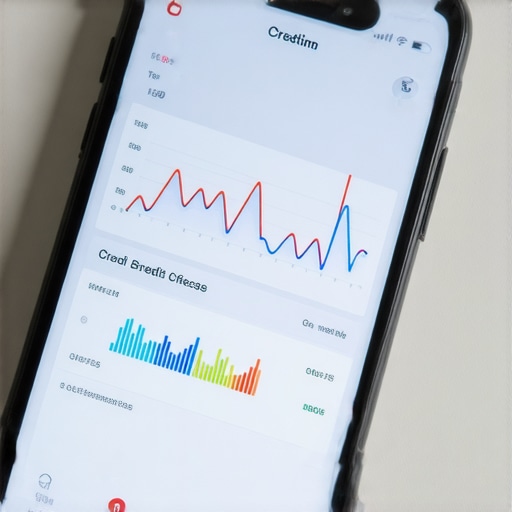
Picture a sleek dashboard on your smartphone displaying your credit scores, recent activity, and personalized tips—these are the future tools making credit maintenance intuitive and effective.
For those ready to take a proactive step today, try setting up automatic bill payments combined with real-time monitoring. This twin approach dramatically reduces late payments and keeps your credit score stable and strong.
The Secrets I Wish I Knew About Accelerating Credit Growth
One major insight I uncovered was that credit repair isn’t just about fixing errors; it’s about understanding the nuanced behaviors that influence your score daily. Real progress came when I shifted my focus from quick fixes to consistent habits, like timely payments and balanced credit utilization, which over time, vastly improved my premiums and financial health.
Another lesson was recognizing the misleading allure of rapid credit boosts. Patience coupled with strategic actions, such as diversifying credit types responsibly, proved more fruitful than impulsive limit increases or multiple online disputes. This shift in mindset transformed my approach from reactive to proactive, ultimately lowering my insurance costs and enhancing my creditworthiness.
I also learned that transparency and ongoing education are pivotal. Relying on reputable sources and understanding how credit bureaus operate empowered me to challenge inaccuracies confidently, leading to tangible score improvements without unnecessary stress or costs. This knowledge turned the complex credit landscape into an opportunity rather than an obstacle.
Finally, cultivating a long-term perspective—viewing credit health as an ongoing journey—helped me avoid common pitfalls like neglecting old accounts or excessive new inquiries. Embracing this mindset ensures sustainable growth and access to the best financial products, including lower insurance premiums, tailored to my improved credit standing.
My Arsenal of Power Tools for Managing Credit and Debt
To stay on top of my credit health, I trust credit-building hack resources that offer actionable strategies for quick improvements. I also lean on blueprints for long-term credit success which provide comprehensive roadmaps tailored to various credit scenarios. For personalized advice, reaching out through professional credit counseling has been invaluable, offering customized solutions that fit my unique financial situation.
In addition, I regularly utilize monitoring apps like Credit Karma and identity theft alerts, which keep my credit profile in check and alert me to any suspicious activity. These tools are vital in maintaining a resilient credit profile and preventing costly errors or fraud, which can harm your insurance premiums as much as late payments.
For debt management, I rely on proven strategies found in debt management guides. They’ve helped me prioritize high-interest debts and structure payments for maximum impact, clearing the way for better credit scores and reduced insurance costs down the line.
Believe in Your Power to Transform Financial Future
The journey toward better credit and lower insurance premiums is within your reach. By applying these insights and tools, you’re taking control of your financial destiny. Remember, every disciplined step builds momentum, turning small victories into substantial savings. Stay committed, keep learning, and watch your credit health—and your savings—flourish.
What’s the one credit habit you’re most excited to start or improve? Share your thoughts below—I’d love to hear your plans!