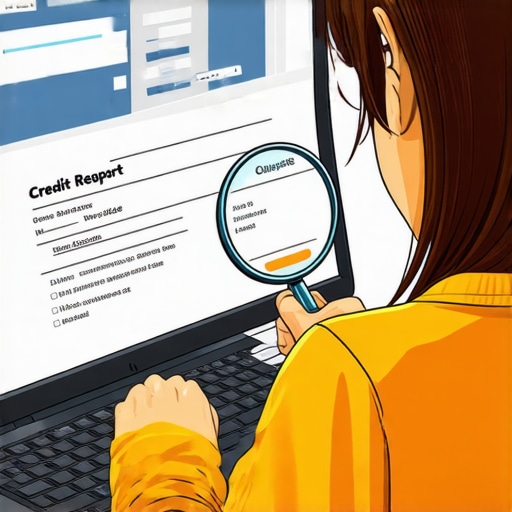
The Quick Fix for a Sudden 40-Point Score Drop
I remember the sinking feeling when I checked my credit report and saw my score had plummeted by 40 points overnight. It was as if a hidden storm had suddenly swept through my financial life, leaving chaos behind. One day, I was confidently managing my credit, and the next, I was staring at a stark alarm that threatened my financial plans. That moment of shock became my turning point. I knew I needed a fast, effective solution, not just theories or generic advice. If you’ve experienced something similar—those terrifying drops that seem to come out of nowhere—you understand how urgent and overwhelming it can feel.
Why a sudden 40-point drop can feel like the end of the world
So, what causes these abrupt score declines? Many times, it’s a combination of factors like recent hard inquiries, a missed payment, or even an error in the credit report. The tricky part is that these drops often happen unexpectedly, leaving you scrambling to figure out what went wrong and how to fix it quickly. My experience taught me that understanding the root cause is half the battle won. Once you know why your score took a nosedive, you can target your efforts effectively.
What makes this situation even more urgent is the impact on your financial goals. Whether you’re applying for a mortgage, car loan, or even a new credit card, a 40-point drop can mean higher interest rates or outright denied applications. According to a study by FICO, even a small change in your score—like 40 points—can significantly influence your loan terms and approval chances. That’s why fast action is essential.
Early on, I made the mistake of panicking and jumping straight into negotiations or hoping it would resolve itself. That approach only delayed real progress. Instead, I learned that pinpointing the exact cause and applying targeted strategies—like disputing inaccuracies or managing recent inquiries—can turn things around swiftly. For those wondering if there’s a quick fix that truly works, the answer is yes. And I’m here to guide you through the process based on real solutions that helped me just when I needed them most.
Before we dive into practical steps, ask yourself: Have you recently experienced a sudden drop? If so, you’re not alone, and there is hope. The next section will break down the specific tactics that can help you recover your score fast, giving you back control of your financial future.
Pinpoint the Exact Cause of Your Score Drop
First, order your credit reports from all three bureaus—Experian, TransUnion, and Equifax—using this free method. Carefully review them for errors, unauthorized accounts, or recent negative marks. Think of your credit report as a map: knowing where the pitfalls are helps you navigate around them effectively. I once discovered a fraudulent account on my report through this process, and disputing it promptly prevented a further score decline.
Dispute Inaccuracies and Negative Items
Identify any discrepancies—such as outdated late payments or incorrect balances—and file disputes directly with the credit bureaus. Use formal dispute letters or leverage the paper trail strategy to strengthen your case. This step is like clearing debris from a clogged drain; easing the flow of positive data restores your credit health faster. During my own dispute process, I sent detailed documentation and followed up consistently, which led to the removal of an erroneous late payment in just weeks.
Manage Recent Hard Inquiries
Limit new credit applications to prevent further score erosion. If multiple inquiries occurred in a short span, consider using the 15-day inquiry challenge tactic to have some inquiries removed, especially if they are unsolicited or duplicate. Think of inquiries as a series of knocks; too many in a short time can sound an alarm that damages your score. I once consolidated several loan shopping inquiries into a single inquiry by applying within a 14-day window, which minimized impact.
Pay Down Existing Debts Strategically
Focus on reducing high utilization ratios by paying down credit card balances. Prioritize cards with the highest utilization, aiming for below 30%, as high balances are like dead weights holding your score down. For instant impact, consider secured credit cards or the ladder approach to manage multiple debts efficiently. During my credit rebuild, I used a combination of targeted payments and balance transfers to lower my utilization swiftly, boosting the score within a month.
Negotiate Pay-for-Delete Agreements
Contact your creditors and negotiate to remove negative accounts upon payment. This tactic, known as pay-for-delete, is akin to deleting a mistake from a document—it cleans up your record. Always get agreements in writing before making payments. I used this approach with a collection agency, and after paying 40% of the owed amount, they agreed to delete the account from my report, instantly raising my score.
Build Positive Credit Through Strategic Moves
Open new, secured credit accounts or become an authorized user on someone else’s account—preferably with a positive payment history—using this method. Just like planting seeds, adding positive data helps your credit grow over time. I added myself as an authorized user to a family member’s account with a strong history, which contributed to a faster recovery of my score.
Many people believe that managing debt and building credit follow straightforward rules, but the reality is much more nuanced. A prevalent myth is that paying off a debt entirely will always boost your score instantly. In truth, if the account was a recent zero balance due to a settlement or settlement, paying it off can sometimes temporarily lower your score because of the way credit scoring models interpret recent activity. This can catch many off guard, leading to confusion and frustration. For an in-depth understanding of this paradox, see the [blueprint for credit repair strategies](https://counselcredits.com/the-ultimate-credit-repair-blueprint-for-2025).
Another misconception is that closing unused credit cards helps improve your credit score. While closing accounts might seem like a good way to prevent frivolous spending, it can actually decrease your available credit and increase your utilization ratio, which may harm your score. Instead, keeping cards open and utilizing them responsibly is a better strategy for credit health.
One of the most insidious myths is that credit counseling services can instantly fix your score or erase debts. Although some providers promise quick results, many of these services are either ineffective or may even harm your credit if they use questionable tactics. The critical thing to understand is that [professional credit education](https://counselcredits.com/credit-counseling-insights-unlock-your-path-to-better-credit) focuses on empowering you with strategies that apply broadly and sustainably, rather than quick fixes.
Beware of the misconception that applying for multiple credit accounts in a short period will not impact your score. In reality, frequent applications trigger hard inquiries and signal financial distress to lenders, often leading to score drops. The [15-day inquiry challenge](https://counselcredits.com/the-15-day-rule-for-challenging-every-credit-inquiry) demonstrates that spacing out credit applications or consolidating inquiries can minimize damage.
The danger lies in falling for quick-fix mentalities; these can derail your progress instead of aiding it. It’s tempting to rely on credit repair software or aggressive debt settlement offers promising rapid improvements, but often, these methods overlook the importance of personalized, strategic actions grounded in understanding how credit scoring works. Always approach such claims skeptically and prioritize methods backed by reputable research and expert advice.
In your journey to improve credit health, avoid the trap of oversimplifying complex processes. Deep knowledge and strategic action will serve you better than shortcuts. For an extensive step-by-step plan tailored to your situation, check out the [comprehensive debt and credit strategies](https://counselcredits.com/the-ultimate-credit-repair-blueprint-for-2025). Remember, understanding these nuances can make all the difference in attaining your financial goals.
Have you ever fallen into this trap? Let me know in the comments.Maintaining your credit progress requires more than just knowing the strategies; it demands the right tools to ensure consistency and long-term success. One of my personal favorites is **Experian’s CreditWorks** subscription, which I use to monitor my credit report in real-time and receive immediate alerts for any changes. This instant feedback loop allows me to respond swiftly, whether it’s catching unauthorized inquiries or verifying that disputes have been processed. The value lies in its proactive approach, preventing small issues from snowballing into bigger problems.
Another essential tool I rely on is **Personal Capital** for tracking my overall financial health. While it’s primarily known as an investment tracker, its budgeting features help me manage debt payments and savings goals seamlessly. Setting clear targets within this app keeps me accountable and motivated to stick with my credit rebuilding plan.
For dispute management, I recommend using **Credit Strong**’s secured installment accounts, which I personally utilize to demonstrate responsible credit behavior. Building positive data through these accounts not only improves your score but also diversifies your credit mix — a factor many overlook when aiming for higher scores.
Looking into the future, I believe credit monitoring will become even more integrated with AI-driven analytics, helping consumers predict how upcoming financial moves (like a new loan app or paying off a balance) could impact their score. Staying ahead of these trends could give you a significant advantage.
### How do I maintain my credit improvements over time?
Regular maintenance is crucial. I schedule quarterly reviews of my credit report, update my budget plans, and adjust my credit usage accordingly. Automating payments and setting alerts for due dates reduces the risk of missed payments, which are often the culprits behind score dips.
If you’re serious about keeping your credit in top shape, I suggest trying the tools I rely on—like proactive credit monitoring and responsible credit building accounts. These tools transform theoretical knowledge into practical, manageable actions. Remember, credit health is a long-term game; leveraging technology effectively can make all the difference.
Lessons That Shattered My Debt Myths
One of the toughest insights I gained was realizing that not all negative marks affect your score equally. I used to believe paying off every debt immediately would skyrocket my credit, but I learned that strategic timing matters—sometimes, paying late or settling can temporarily dip your score. My mistake was rushing to eliminate debt without understanding how each action impacts your credit blueprint.
Another eye-opener was discovering that closing old credit accounts can do more harm than good. I had the urge to shut unused cards, thinking it would boost my score, only to see my utilization ratio spike. Long-term credit health hinges on keeping diverse accounts open and active, demonstrating responsible use over time.
The most profound lesson was that disputes and adjustments aren’t just about quick fixes—they’re about knowing which errors can be legitimately removed and which will need consistent effort. I spent months disputing outdated late payments, but the key was understanding where to focus my energy for the greatest impact, which saved me time and frustration.
My Arsenal of Game-Changing Tools
Monitoring tools like Credit Insights became my allies, providing real-time alerts that caught potential issues early. They gave me the confidence to act swiftly and prevent problems from festering. I also swear by building from scratch guides which offered step-by-step strategies tailored to my unique credit situation, turning complex concepts into actionable steps. Additionally, securing my credit with authorized user techniques helped diversify and strengthen my profile—proving that sometimes adding positive data is the fastest route to recovery. For ongoing support, I leverage blueprints designed for 2025, ensuring my strategies stay ahead of market shifts and scoring models.
Your Power to Reclaim Credit Confidence
The path to rebuilding and maintaining excellent credit isn’t paved with shortcuts but with understanding and deliberate action. Remember, your credit health is a long-term journey, not a quick fix. With the right tools, knowledge, and mindset, you can turn setbacks into setups for a stronger financial future. I encourage you to start today—small steps, consistent effort, and strategic decisions are your best allies on this journey.