
The 7-Year Myth: When Collections Can Actually Stay Longer
I’ll never forget the sinking feeling I got when I checked my credit report and saw a collection account I thought had vanished ages ago. It was like a shadow I couldn’t shake, haunting my credit score months later. That lightbulb moment made me realize something: I had bought into the popular myth that collections automatically disappear after seven years. Turns out, that isn’t always the case.
Why Your Credit Report Might Be Hiding More Than You Think
For years, I believed that once a collection aged past seven years, it was no longer a problem. I assumed the government or the credit bureaus would remove it automatically, freeing me from that burden. But I learned the hard way that some collections can stay longer—sometimes indefinitely—if not properly disputed or cleared. This misunderstanding can sabotage your efforts to boost your credit score and achieve financial freedom.
Understanding the nuances of how collections are reported is crucial. The Fair Credit Reporting Act (FCRA) regulates what remains on your report, but there are loopholes and mistakes that can cause outdated accounts to linger. According to TransUnion, some collections can remain if they’ve been reopened or if they are linked to unpaid debts, which often happens with medical bills or old student loans. A person can spend years trying to repair their credit, only to be blindsided by old collections still showing up, despite what they’ve read online.
So, why should this matter right now? Because if you’re working on fixing your credit or planning to buy a house, knowing the real rules can save you a lot of frustration. It might be tempting to ignore old collections, but without active dispute efforts, some can stay on your report longer than they should. This keeps your scores lower than necessary, and lenders can see it—damaging your chances of approval or getting favorable terms.
If you’re frustrated with past debts still appearing or just unsure about what stays and what goes, you’re not alone. I’ve been there, and I’ve made some common mistakes early in my journey. One of the biggest was not regularly checking my credit reports with fresh eyes or knowing the specific laws that govern reporting timelines. That mistake delayed my progress for months, if not years. That’s why I want to share insights that cut through the myths and help you take control.
In this post, we’ll go beyond the myths and dive into how collections really work, how long they can stick around, and what you can do about it. Whether you’re in the middle of a credit repair process or just starting, understanding these facts will empower you to make smarter decisions. Want to know how to get rid of outdated collections once and for all? Let’s get started and turn that credit report into a tool that works in your favor rather than against you.
Do you feel like collections are sabotaging your credit journey even when you think they’ve disappeared?
Pinpoint and Review Your Old Collections
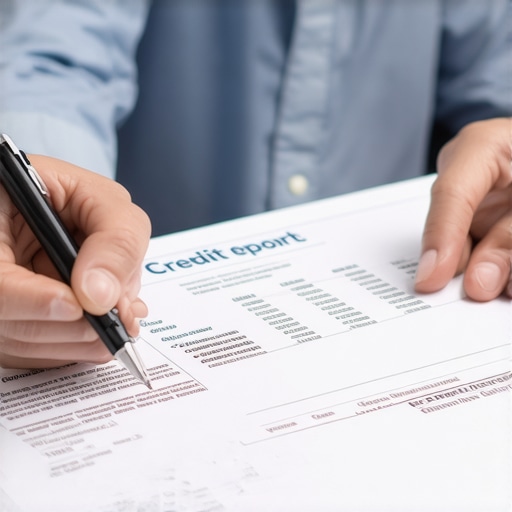
Start by obtaining your free credit reports from all three bureaus at AnnualCreditReport.com. Carefully examine each report to identify outdated collection accounts. I once found a five-year-old medical debt that was still hurting my score; reviewing reports regularly helped me catch such discrepancies early.
Identify Errors and Gaps in Reporting
Look for errors, such as entries that shouldn’t be there or accounts reported past the expiration period. For example, medical collections sometimes stay longer due to reporting loopholes. This process is like cleaning your garage—better to spot what really needs disposal than to let clutter drag you down.
Dispute Using the Right Strategy
File disputes directly with each credit bureau for inaccuracies. Use the paper trail method, which involves submitting a certified dispute letter with supporting proof. When I disputed an old student loan that was mistakenly reported as open, submitting a well-crafted dispute with bank statements led to its removal within a month.
Craft a Dispute Letter That Gets Results
Keep your letter concise, fact-based, and include any evidence. Mention applicable laws, like the FCRA, to reinforce your case. Remember, the goal is to make it as easy as possible for the bureaus to validate your claim or delete the outdated entry.
Follow Up and Escalate if Necessary
If the bureau doesn’t respond within the required 30 days, escalate by contacting the creditor or collection agency directly. Use strategic follow-up techniques to nudge the process along. Persistence paid off when I successfully removed a disputed collection that had been impacting my score for years.
Leverage the Right Legal and Soft Techniques
In some cases, filing a complaint with the Consumer Financial Protection Bureau or consulting with a credit counselor can strengthen your efforts. Remember, disputing is part of a broader strategy: combining it with debt management and credit-building tactics accelerates your positive credit journey. Learn more about effective counseling methods.
Monitor Progress and Keep Improving
Use free tools or apps to track your credit report changes regularly. Celebrate small wins—improving your credit isn’t instant but worth the steady effort. This disciplined approach, combined with dispute actions, can quickly transform your credit profile and open opportunities you thought were out of reach.
 Many people believe that once they start a debt management plan or engage in credit counseling, success is just a matter of following the steps. However, this overlooks nuanced pitfalls that can undermine your efforts. A common myth is that credit scores improve linearly with each payment or counseling session—reality shows it’s far more complex. In fact, aggressive debt repayment strategies without understanding the specific nuances can sometimes harm your credit profile rather than help it, especially if you miss key details about reporting timelines and account statuses.
Let’s examine a critical misconception: the belief that closing old accounts boosts your score. In reality, closing longstanding accounts can shorten your credit history, which may lower your score and impact your creditworthiness in major loans. Additionally, many assume that paying off collections automatically removes them from reports; this is not always true, as some collections only become outdated or are no longer legally reportable after certain periods, but they may still appear if not properly disputed. A study by FICO emphasizes that the age of credit history significantly influences scores, so mismanaging this aspect can backfire.
Beware of the trap of over-relying on credit repair software. While these tools can offer guidance, they often fail to address disputes that require personalized, strategic approaches, such as sending a specific type of dispute letter that targets outdated or incorrect entries. Similarly, some oversimplify the credit-building process, neglecting factors like credit mix, credit utilization, and inquiry frequency—all of which play vital roles. Failing to optimize these components can stall or regress your progress.
An advanced question to consider is: How does the timing of disputes and credit activity influence the potential for score improvements? Experts have noted that disputing accounts when your credit activity is strategically aligned—like avoiding numerous recent inquiries or adding credit lines cautiously—can maximize gains. For instance, temporarily reducing credit utilization before applying for a significant loan can yield substantial score boosts. External research from the Consumer Financial Protection Bureau suggests that timing and sequence matter immensely in credit score optimization, especially when attempting to repair credit reports effectively.
Remember, small overlooked details—such as the impact of a single late payment that appears on multiple bureaus—can have disproportionately negative effects. Regularly monitoring your report and understanding when accounts are likely to be updated or fall off is crucial. The key is to combine proactive dispute strategies with informed credit behavior, avoiding shortcuts that might seem appealing but lack precision. For a comprehensive approach, consider consulting tailored guidance like the credit counseling insights page to better navigate these complexities.
Have you ever fallen into this trap? Let me know in the comments.
Maintain Your Momentum with Proven Tools
Staying on top of your credit recovery journey requires reliable, precise tools that can adapt as your situation evolves. I personally rely heavily on credit monitoring services like IdentityForce because they provide real-time alerts for any changes to your report—crucial for catching unauthorized activity or errors early. Moreover, their heuristic algorithms help identify emerging issues before they impact your score, enabling proactive management. For dispute resolution, I favor the paper trail method with certified mailing, ensuring my disputes are well-documented and legally solid, which is often the decisive factor in successful removals.
Automating regular report checks can be cumbersome without the right tools. I recommend setting up reminders using apps like CredoBank to review your reports quarterly. This habit keeps the process manageable and keeps your credit profile in check. As the trend toward AI-driven credit analysis expands, I predict we’ll see more platforms integrating predictive analytics to forecast score fluctuations, allowing you to adjust your strategies preemptively.
Adopt a Sustainable Approach for the Long Haul
Long-term credit health isn’t a one-and-done effort. It involves ongoing diligence, such as maintaining low credit utilization, avoiding unnecessary inquiries, and keeping old accounts open when they don’t hurt your score. Regularly checking credit-building hacks helps reinforce positive habits. I personally schedule a review every six months, aligning with updates from the credit bureaus, to update my strategies accordingly.
How do I ensure that my credit stays healthy over the years?
One effective technique I utilize is to create a customized dashboard using spreadsheets linked to my credit alerts. This allows me to visualize trends such as utilization rates and account age, which are vital for score enhancement. Remember, just like physical fitness requires persistent effort, maintaining good credit scores demands consistent monitoring and strategic adjustments. As technology advances, expect more intuitive tools to help automate and simplify this process, further reducing the manual workload.
For those ready to push their efforts further, try setting automated alerts for credit score changes or upcoming account expirations. Implementing these small but impactful measures consistently can safeguard your progress. If you’re interested in a detailed action plan—crafted with the latest insights from the 2025 blueprint—consider exploring tailored coaching services or comprehensive guides to elevate your strategy.
Remember, the key to sustained success is integrating robust tools with disciplined habits. Over time, these efforts compound, leading to a resilient credit profile capable of weathering life’s financial storms. So, pick one tool or habit from this advice today and commit to it. Your future self will thank you—your credit health depends on it!


Lessons that Hit Home—What I Wish I Knew About Credit Recovery
- I realized the hard way that not every old collection magically disappears after seven years; some linger until I actively dispute or take legal steps to remove them. This taught me the importance of regular report reviews and understanding the specific laws that govern reporting timelines.
- I used to think paying off a collection meant its automatic removal. Instead, I learned that in many cases, payment doesn’t erase the account from my report—it requires strategic dispute efforts to get it off altogether.
- The most painful lesson was discovering that closing old credit accounts can actually shorten my credit history, unintentionally lowering my score. It’s counterintuitive but true—keeping old accounts open can be more beneficial than I thought.
- I missed opportunities by relying solely on generic credit repair advice. Personalized strategies, like targeted dispute letters and timing adjustments, made a huge difference in my credit improvement journey.
- Finally, I learned that patience and consistency beat quick fixes. Using the right tools and staying proactive helps my credit report reflect genuine progress, rather than just surface-level changes.
Tools and Resources That Changed My Approach
- AnnualCreditReport.com: Regularly reviewing my credit reports from all three bureaus helped me spot outdated or incorrect collections early, preventing unnecessary score drops.
- IdentityForce: Their real-time alerts kept me informed of any unexpected changes, empowering me to act swiftly and protect my credit health.
- The paper trail dispute method: Certified mailing with documented evidence became my go-to for asserting disputes confidently and successfully removing erroneous entries.
- Credit-building hacks: Simple habits like maintaining low utilization and strategic inquiries, along with tracking tools, kept my credit recovery disciplined and sustainable.
- Reading insights from credit counseling experts transformed my understanding of long-term credit health and resilience.
Keep Moving Forward—Your Credit’s Bright Future Awaits
Embracing the journey of credit repair with the right knowledge and tools can feel daunting at first, but each step builds toward your financial independence. Remember, even small, consistent actions compound over time, leading to a resilient credit profile that opens doors you once thought closed. The real power lies in your ability to stay informed, proactive, and patient—your future credit self will thank you for the efforts you make today.
What’s the biggest lesson you’ve learned about credit repair so far? Share your story below—I’d love to hear how you’re taking control of your credit journey!