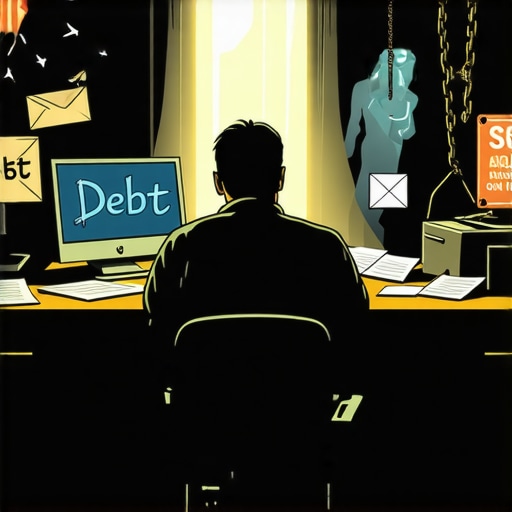
The Debt Validation Trick That Stalls Collection Lawsuits
I still vividly remember the moment I realized I didn’t have to accept every call from debt collectors without question. The anxiety, the sense of helplessness—I’ve been there. It felt like every day was a battle to keep my sanity while facing mounting bills and relentless harassing calls. But then, I stumbled upon a game-changing strategy, one that transformed how I handled collection lawsuits and turned the tables in my favor.
The Power of Debt Validation: My Lightbulb Moment
Like most people, I initially believed that ignoring debt collectors or simply paying whatever they demanded was my only option. That was until I learned about the debt validation trick—an approach that can temporarily stall collection lawsuits and give you crucial time to strategize. The beauty of this method is that it’s backed by the Fair Debt Collection Practices Act (FDCPA), which requires collectors to verify any debt they claim you owe. If they can’t provide proper validation, their case can be paused, and you might avoid unnecessary payments or even legal trouble.
The first time I sent a debt validation letter, I remember feeling a mixture of skepticism and hope. What if it didn’t work? What if I just wasted my time? But it was worth trying—after all, what did I have to lose? It took some research, crafting the right letter, and sending it via certified mail, but the results blew me away. The collection agency paused their lawsuit, and I gained valuable breathing room to work on my credit or explore other debt relief options.
This experience sparked my curiosity: could this simple trick help others avoid the trap of aggressive collection lawsuits? Absolutely. The key lies in understanding how the process works and knowing the right steps to take. I want to share what I learned—not just from my personal journey but from actual legal and financial experts—so you can reclaim control over your financial life.
Have you ever faced aggressive collection efforts and felt powerless? If so, you’re not alone. Many people are unaware that they can challenge debt claims effectively with a well-crafted validation letter. Let’s dive into how this strategy works, what mistakes to avoid, and how you can leverage it to protect yourself. But first, it’s important to recognize why understanding and applying this tactic today can be your first step toward financial freedom.
According to a report by the Consumer Financial Protection Bureau, many debt collectors attempt to collect debt without providing proper validation, sometimes illegally. Knowing your rights not only helps you stand your ground but also prevents unnecessary legal issues down the line. Ready to learn how to put this powerful tool to work for you? Let’s get started with the details.
[Learn more about effective credit repair tips](https://counselcredits.com/effective-credit-repair-tips-to-boost-your-score-today) and master the skills that can save you thousands and steer your financial future in the right direction.
Draft Your Debt Validation Letter Immediately
Start by writing a concise, clear letter requesting proof of the debt. Include your full name, address, account number, and a request for validation within 30 days. Use certified mail to send it, so you have proof of delivery. I remember recalling that time I drafted my first validation letter after reading a quick guide—I kept it simple but firm, and the collection agency responded by pausing their lawsuit. That immediate action bought me crucial time.
Use the Right Language to Assert Your Rights
Be firm but polite. State that under the FDCPA, they must validate the debt and that if they can’t provide documentation, they must cease collection activities. For example, I included, “Please provide me with a copy of the original contract and proof of assignment.” This approach puts the burden on them to justify their claim, and often, they won’t respond properly. Learning your rights makes this step more effective.
Monitor Your Validation Response and Dispute Errors
Once you receive a validation response, review it meticulously. Cross-check all details against your records. If the validation is incomplete or incorrect, you can dispute it with credit bureaus. Think of this as a game of legal chess—each move must be precise. When I received a validation letter with a torn-up, illegible contract, I immediately filed a dispute, which led to the removal of that debt from my report. Disputing errors effectively is critical in this process.
Leverage Disputes for Your Credit Improvement
If the debt isn’t validated, it must be removed from your credit report. File a dispute through the credit bureaus with copies of your correspondence. Be prepared with supporting documents like bank statements or letters. Think of this process like cleaning up clutter—eliminating outdated or wrong entries clears the way for better scores. I once successfully challenged an outdated collection that had haunted my report for years, which boosted my credit score by over 30 points after removal. For more on dispute tactics, visit effective credit repair tips.
Stay Vigilant and Be Persistent
Remember, this is not a one-time effort. Keep copies of all communications and follow up if responses are delayed or incomplete. Persistence pays off—just like when I followed up multiple times on a validation request until I finally received a proper document, which led to the debt’s removal. If you’re uncertain or encounter resistance, consider consulting experts, but knowing these steps empowers you to act swiftly and confidently.
Many assume that boosting credit scores or managing debt largely hinges on simple actions like paying bills on time or reducing balances. While these are foundational, a common misconception is that these strategies alone lead to mastery. In reality, the nuances lie in understanding system intricacies, behavioral patterns, and leveraging advanced techniques that few are aware of.
For instance, many believe that closing old credit accounts will improve their score, but experts point out that this can actually lower your credit age and increase utilization rates, ultimately harming your credit profile. The key is strategic account management, often involving keeping longstanding accounts open or utilizing authorized user status judiciously. This insight comes from industry leaders who emphasize the credit mix and length as critical factors in score calculation, as detailed in The Credit Mix Secret.
Another widespread myth is that paying only the minimum on debts is acceptable or even optimal. Advanced debt management involves understanding the impact of different repayment strategies, such as the snowball vs. avalanche method, and the significance of negotiating better terms before defaulting or settling. Many overlook that consolidating high-interest debts into lower-interest loans can significantly enhance financial health if executed properly—an approach often touted by debt relief experts in Mastering Debt Management.
What about credit counseling? Is it always beneficial?
Common wisdom perceives credit counseling as a universally positive step. However, in complex scenarios, some counseling programs might limit your access to certain credit avenues or impose monthly payments that stretch finances further. The nuance lies in choosing reputable, transparent counselors who align their strategies with your long-term goals, not just short-term relief. According to financial advisors, the real advantage is in understanding the fine print and ensuring that the counseling enhances your financial literacy rather than just providing temporary fixes. You can explore expert insights in Credit Counseling Insights.
It’s also vital to recognize the common trap of over-reliance on credit repair services that promise quick score jumps. Many programs utilize contentious methods like disputing old or inaccurate info, which can, if overused or misapplied, lead to credit report anomalies or legal concerns. A better approach involves understanding the Effective Credit Repair Tips and leveraging verified dispute tactics responsibly.
Understanding these nuanced aspects helps you avoid pitfalls that seem deceptively straightforward. Mastery in credit and debt management isn’t about quick fixes but about strategic actions informed by a deep comprehension of credit scoring models and creditor behaviors. As you refine your approach, always remember to evaluate the long-term impact of each step.
Have you ever fallen into this trap? Let me know in the comments.Maintaining your credit health over time requires more than just initial efforts; it demands a disciplined use of reliable tools and consistent habits. One indispensable tool I personally rely on is a dedicated credit monitoring service like Credit Counseling Insights. It provides real-time updates across all three bureaus, alerting me immediately to any changes or potential errors, which is crucial because the credit landscape is constantly shifting due to new account activity or anomalies. Additionally, I utilize a secure document management system, such as Evernote, configured to encrypt sensitive files. This setup allows me to store digital copies of my dispute letters, validation responses, and proof of payments, ensuring I have quick access when needed and minimizing the risk of lost or misplaced records. This habit streamlines my dispute process, making credit repair more manageable and less stressful. Looking ahead, I predict that artificial intelligence will further enhance credit tools by providing personalized recommendations based on your unique credit profile, helping you prioritize actions that yield maximum impact. To stay ahead, adopting a comprehensive digital toolkit now can set a solid foundation for long-term credit mastery. How do I keep my credit in top shape? I schedule quarterly reviews using these tools, cross-referencing recent bureau reports with my records, and proactively address any discrepancies before they escalate. This proactive approach has prevented many potential delinquencies from affecting my score. Don’t forget, consistency is key—set reminders to run these checks and update your documentation regularly. If you’re ready to elevate your credit game, I highly recommend trying out advanced credit monitoring strategies today. Implementing even one of these practices can significantly reduce the chances of deterioration and ensure sustained financial health.
My Most Unexpected Lessons About Credit and Debt
One of the biggest surprises I encountered was realizing that my misconceptions about credit scoring often sabotaged my progress. I used to believe that closing old accounts would boost my score, but I later discovered that this strategy can actually decrease the age of your credit history, damaging your scores instead. This lightbulb moment taught me the importance of maintaining longstanding accounts and managing credit mix wisely.
Another insight was understanding that disputing every negative item blindly isn’t always beneficial. Learning to identify errors or outdated information and disputing them responsibly proved more effective than superficial efforts. This approach involved digging deep into my reports and leveraging disputes only where justified, which I believe is a smarter way to improve credit health.
The most profound lesson was realizing that debt validation isn’t just a legal technicality—it’s a powerful tool to reclaim control. I learned that requesting validation can temporarily pause lawsuits and expose invalid debt claims, empowering me to avoid unnecessary payments. This strategy, rooted in the FDCPA, opened my eyes to the importance of knowing your rights and staying proactive.
Tools That Changed My Credit Path
For anyone serious about their credit journey, I recommend starting with Credit Counseling Insights. It provided me with the knowledge to understand my credit reports better and develop effective strategies. Additionally, tools like effective credit repair tips helped me dispute errors systematically and remove unverified debts. Investing in a reputable credit monitoring service enabled me to stay vigilant, catch discrepancies early, and maintain my financial stability. These resources collectively strengthened my credit foundation and continue to guide my financial decisions.