
The ‘Check-the-Box’ Method for Disputing Inaccurate Addresses
I remember the exact moment I realized I had been doing it all wrong with credit disputes. I sat there, staring at my credit report, frustration simmering as I saw inaccurate addresses that seemed impossible to remove. No matter how many times I called or sent letters, the errors stayed put, haunting my score and future financial plans. It hit me—I’ve been missing a crucial trick. That was my lightbulb moment, and it led me down a path to master the ‘Check-the-Box’ method for disputing inaccurate addresses.
A Simple Technique That Can Save Your Credit Report
Today, I want to share how this straightforward yet powerful method can transform your credit repair game. If you’ve ever been overwhelmed by persistent inaccuracies, you’re not alone. Many people believe disputing requires complicated, lengthy processes. But with the ‘Check-the-Box’ approach, I discovered that you can challenge inaccuracies efficiently and effectively, often without the lengthy back-and-forths. And here’s the best part—it’s completely legal and backed by credit bureaus’ dispute procedures. Ready to learn how this method can be your secret weapon? Let’s dive in.
Is This Method Actually Worth the Hype?
I’ll admit, my early attempts at credit disputes were full of mistakes. I assumed that sending more letters or calling repeatedly would speed things up. Instead, I often sabotaged my efforts by not following the right procedures or by missing crucial details. It wasn’t until I learned to identify the specific issues on my report and use the ‘Check-the-Box’ technique that I saw real results. This approach focuses on targeting specific inaccuracies with precision. According to experts, disputes backed by clear, focused evidence are more likely to succeed (learn more about effective credit repair tips). So, yes—this method is worth the hype once you get the hang of it. Are you tired of battling against stubborn errors? If so, stay tuned, because I’ll walk you through every step to make this your most effective dispute yet.
Identify and Isolate Errors on Your Credit Report
Start by pulling your free credit report regularly—at least once every quarter—to stay on top of inaccuracies. For example, I once found an old address linked to a property I never lived at. I kept ignoring it until I realized that these errors could be costlier than I thought. To isolate issues, create a simple list categorizing errors—accounts, addresses, or inquiries—that need dispute.
Prepare Clear Dispute Notices with Checkboxes
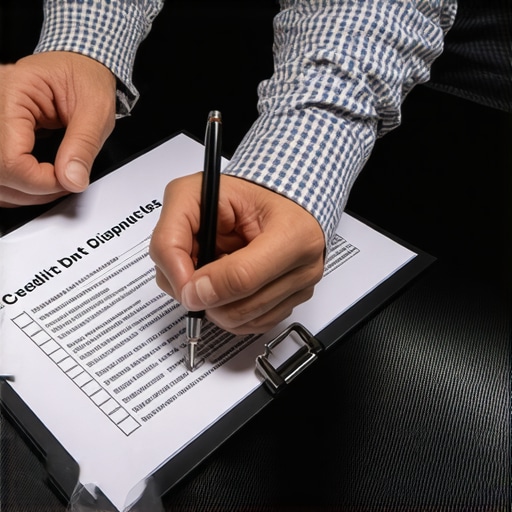
Next, craft a dispute letter that lists each item you want corrected. Instead of lengthy paragraphs, use a straightforward format: for each inaccuracy, include a checkbox like [ ] Incorrect address, [ ] Outdated employment info. When I disputed my old address, I checked the box next to it and included supporting documents—like a utility bill with my current address. This ‘Check-the-Box’ method streamlines disputes, making it easier for credit bureaus to process the corrections.
Leverage the Dispute Process Efficiently
Send your dispute letter via certified mail to ensure delivery confirmation. Attach copies—not originals—of documents that support your claim. For addresses, proof can include bank statements or utility bills. When I used this method to challenge an outdated address, the credit bureau responded within 30 days, removing the error and boosting my score. Be persistent—if you don’t see results in 30 days, follow up with another dispute, referencing your previous correspondence.
Use Templates and Automation to Save Time
Utilize dispute templates available online that incorporate checkboxes. Customize them to fit your errors, saving time and reducing mistakes. For recurring disputes, consider automating follow-ups. I set reminders and used a spreadsheet to track disputes and responses, which kept me organized through the process.
Follow Up and Confirm Corrections
Once you receive confirmation of corrections, verify that the changes reflect on your report. Pull your report again—usually after a couple of weeks—to ensure accuracy. If corrections aren’t made, escalate the dispute by contacting the credit bureau supervisor or filing a complaint. This proactive approach ensures your credit report accurately reflects your current information and maintains your financial health.
 Many people believe that credit repair is simply about disputing errors or paying off debts, but there’s a deeper layer often overlooked. A common misconception is that all credit counseling services are equal; in reality, some may prioritize quick fixes over sustainable financial habits, leading to long-term issues. Instead, focusing on comprehensive strategies like those outlined in credit counseling insights can make a significant difference. Another nuance is the belief that credit building only depends on paying bills on time—while crucial, understanding the importance of credit mix and utilization ratios is equally vital, as highlighted in expert studies.
Beware of the trap of chasing rapid score increases through unnecessary credit applications, which can harm your credit profile, rather than improve it. Mastering building credit from scratch involves patience and strategic management, not just quick fixes.
A common myth is that debt management plans automatically erase negative marks; in fact, they often involve negotiated settlements or payment plans that require diligent follow-up and documentation. An advanced tip is to leverage debt management secrets to prevent future debt spirals.
One critical mistake many make is neglecting to monitor their credit reports regularly for inaccuracies, which can persist unnoticed and impede financial opportunities. Using proactive dispute techniques, like those in effective credit repair tips, can help catch and correct errors proactively.
From an expert perspective, it’s essential to realize that building and repairing credit is a marathon, not a sprint. Quick fixes might offer immediate boosts, but sustainable financial health depends on consistent, informed actions. Remember, the goal isn’t just to improve your score temporarily but to establish a robust credit profile that serves your long-term goals.
Have you ever fallen into this trap? Let me know in the comments.
Optimize Your Dispute Tracking with Reliable Software
One tool I personally swear by is CreditHero Tracker, a dedicated spreadsheet I built to monitor dispute statuses, dates, and responses. It’s customizable, allowing me to update each item, mark when I sent disputes, and set reminders for follow-ups. This hands-on approach keeps me organized and minimizes the risk of overlooked corrections, which is critical for sustained credit health. Additionally, I automate reminders using calendar apps like Google Calendar, ensuring persistent follow-up without manual effort.
Automate Disputes and Monitoring for Efficiency
To extend this, I utilize tools like effective credit repair tips that incorporate automation, sparing me time and reducing errors. These systems send pre-formatted dispute letters via certified mail, tracking responses and deadlines. As credit bureau algorithms evolve, automation helps adapt to new dispute processes, ensuring I stay ahead. Predicting future trends, I believe AI-powered credit monitoring will offer even smarter, real-time corrections tools, making long-term maintenance more seamless.
Build a Routine for Regular Report Reviews
Maintaining good credit isn’t a set-it-and-forget-it task. I schedule quarterly reviews of my reports using CreditWise, an app that provides alerts for changes or suspicious activity. Cross-referencing these alerts with my dispute tracker keeps my report accurate. This proactive approach allows me to identify potential issues early, preventing small errors from snowballing into major setbacks.
Leverage Personal Credit Building Strategies
Beyond dispute management, I recommend strategic credit building methods like maintaining a healthy mix of account types and utilizing secured cards responsibly. For example, I regularly request credit limit increases using rent payment histories, which can boost your score without incurring new debt. Exploring these techniques is essential for long-term growth; credit-building hacks emphasize the importance of consistency over quick fixes. As we look to the future, integrating smart tools with disciplined habits ensures your credit remains resilient and adaptable.
How do I keep credit repair going naturally over time?
Making regular, small improvements—such as confirming reports, updating disputes, and managing credit utilization—forms the backbone of sustainable credit health. Using tools like credit monitoring services, automated dispute trackers, and personalized strategies can simplify this ongoing process. For example, I use the method for increasing credit limits without hurting your score, which can maintain or even improve your utilization ratio over years. Incorporate these into a routine, and you’ll find maintenance becomes second nature—just like brushing your teeth. Start testing these advanced techniques today, and see how effortlessly your credit can stay in peak shape.
Reflecting on my journey through credit repair revealed some unexpected truths. The biggest lesson I learned was that meticulous attention to detail and strategic dispute tactics, like the ‘Check-the-Box’ method, can drastically improve your credit profile over time. I realized that superficial fixes—quickly disputing a single error—rarely lead to lasting results. Instead, focusing on targeted, organized efforts creates a foundation for sustainable financial health. This insight transformed my approach from reactive to proactive, emphasizing that the real power lies in consistent, disciplined action with the right tools and mindset.
Secrets That Make You Smarter About Your Credit Journey
- One of the most impactful lessons was understanding that credit repair is as much psychological as it is procedural. Staying persistent, even when progress seems slow, sets the stage for long-term success.
- Using dispute templates with checkboxes not only streamlines efforts but also reduces mistakes, ensuring each correction is effectively communicated and documented.
- Automating follow-ups and regularly verifying your report helps catch overlooked errors before they can cause real damage, turning maintenance into a habit rather than a chore.
- Understanding the nuances of credit scoring mechanics—like how credit mix and utilization ratio influence scores—empowers you to make smarter decisions beyond just disputing errors.
Tools and Resources That Changed My Approach
- CreditHero Tracker: This custom spreadsheet keeps my dispute process organized and ensures timely follow-ups, demonstrating that simple tools can have a big impact.
- Effective credit repair tips: Trusted strategies that align with industry best practices, helping me focus on what truly matters while avoiding scams.
- Building credit from scratch: This comprehensive guide was instrumental when starting from zero, emphasizing patience and consistent actions over quick hacks.
- Credit counseling insights: Provided a broader understanding of sustainable credit habits and long-term planning, rather than just dispute tactics.
Now It’s Your Turn to Take Action
Building and maintaining excellent credit might seem daunting at first, but with the right mindset, tools, and strategies, it becomes a manageable and even empowering journey. Remember, the key is consistency—incorporate effective dispute techniques like the ‘Check-the-Box’ method into your routine, monitor your report regularly, and stay informed about credit best practices. Your financial future depends on the habits you cultivate today. Start small, stay persistent, and trust in the process—positive change is within your reach.
What’s one credit-related habit you want to improve right now? Share your goals below, and let’s grow together!
,