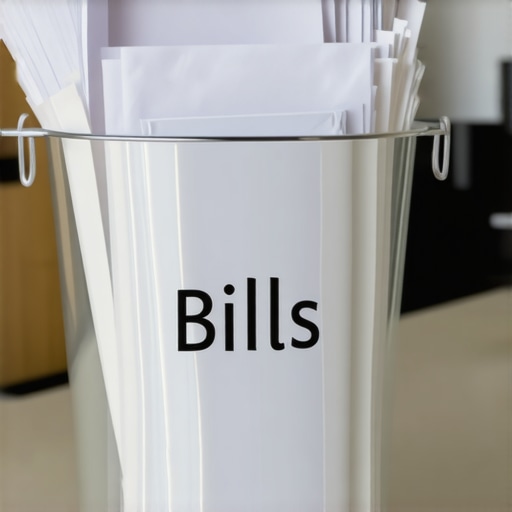
The ‘Bucket Method’ for Organizing Your Monthly Bills
It was a Sunday afternoon, I was staring down my cluttered kitchen counter, feeling overwhelmed by unpaid bills and mounting debts. I’ve been there—caught in the endless chaos of tracking payments, trying to stay afloat, and feeling like I was constantly one step behind. That lightbulb moment hit me hard: *there has to be a better way.* And so, I discovered the Bucket Method—an approach so straightforward, yet so effective that it changed the way I manage my monthly bills forever.
Why So Many of Us Struggle with Organizing Finances
Managing money is stressful enough without the added chaos of juggling different due dates, unpredictable expenses, and the fear of missing a payment. Early on, I made the mistake of trying to keep everything in my head or scribbled notes that got lost, leading to late fees and unnecessary anxiety. If you’ve faced similar struggles, you’re not alone. According to a survey by the National Endowment for Financial Education, nearly 75% of Americans admit to feeling stressed about money at least once a month—many of us are desperately searching for a system that can bring clarity and control.
The Promise: Simplify, Organize, and Save Your Sanity
Today, I want to introduce you to a game-changing method I personally swear by. The Bucket Method isn’t about complex spreadsheets or high-tech apps; it’s about creating tangible, easy-to-manage categories for your bills—so you can see at a glance exactly what needs to be paid, when, and how much. And the best part? It’s scalable, adaptable, and works whether you’re handling a handful of bills or dozens.
If you’ve ever felt paralyzed by the sheer number of payments or confused about where your money is going, I promise this approach will give you clarity and newfound confidence. Ready to transform your financial life? Let’s dive into how you can set up your own buckets today.
What the Bucket Method Can Do for You
Start With a Clear Inventory of Your Finances
Before creating your buckets, gather all your financial information. List every bill, debt, and regular expense—utilities, rent, credit cards, student loans, subscriptions. For example, I once spent an entire Saturday pulling bank statements, bills, and loan documents, which initially felt overwhelming but was crucial. Once complete, you’ll see the full picture, removing the guesswork from your financial landscape.
Create Specific Buckets for Different Financial Goals
Assign each bill or expense to a bucket based on its nature. For example, set up separate buckets for housing, utilities, credit card payments, savings, and emergency funds. Remember, each bucket is a tangible container representing your financial obligation, much like jars for different savings goals. When I did this, I realized I was unknowingly missing payments on my credit card because I had no visual cue—once I assigned it to a dedicated credit bucket, it became impossible to overlook.
Allocate Funds Intentionally to Each Bucket
Determine how much money should go into each bucket every month. Use your income and expense list to allocate funds realistically. For instance, if rent is $1,200, make sure that amount is assigned to the housing bucket first. In my case, I used payday to split funds and made it a ritual to deposit the allocated amount into separate accounts or envelopes—this step prevents overspending and keeps your funds organized.
Set Up Automatic Transfers or Reminders
Automation reduces the risk of missing payments. Arrange automatic bank transfers or set up calendar reminders for each bill due date. I once neglected a utility bill because I forgot the due date, incurring a late fee—by scheduling automatic payments, I avoided future penalties and kept my buckets balanced.
Monitor and Adjust Buckets Monthly
Review your financial activity each month. Adjust allocations based on changing income or expenses. Did a utility rate increase? Shift funds accordingly. I learned that flexibility was key; one month I had to reassign funds from my entertainment bucket to cover an unexpected medical bill. Regular review ensures your system remains resilient, especially when credit building or debt reduction goals shift. For strategies on rebuilding your credit, consider exploring building credit from scratch.
Address Outstanding Debts Using Your Buckets
Target debts directly from their respective buckets. For example, prioritize paying off high-interest credit cards first—allocate extra funds from your savings or bonus income to the credit card bucket. When I implemented this, I noticed a rapid decrease in my revolving debt because I dedicated chunks of my credit bucket to payoff—this strategy accelerates credit score improvement and simplifies debt management. For effective habits, see smart debt management practices.
Use the Buckets to Track Progress and Stay Motivated
Visual progress keeps you motivated. Use a whiteboard or financial app to mark paid buckets. Celebrate small wins—like clearing a credit card bucket—boosts confidence. My messy early attempts resulted in some missed payments, but reviewing my progress weekly helped me stay on track. Remember, the key is consistency and visibility, making your financial journey less intimidating and more manageable.
When it comes to managing debt and building credit, many believe they have the basics down—pay bills on time, keep balances low, and avoid opening too many new accounts. However, even seasoned financial enthusiasts often fall prey to nuanced misconceptions that can hamper their progress. Let’s dig into some common myths and advanced mistakes, so you can avoid costly pitfalls and elevate your financial game.
Debunking the Myth: More Credit Activity Means Faster Improvement
A widespread belief is that constantly opening new credit accounts or applying for multiple loans accelerates your credit score growth. In reality, frequent inquiries and new accounts can signal risk to lenders, often lowering scores temporarily and complicating your credit profile. Experts emphasize that strategic, deliberate credit management—like maintaining a mix of credit types and keeping old accounts open—triggers better long-term scores. For a comprehensive approach, check out mastering credit-building strategies.
Common Mistake: Ignoring the Impact of Credit Utilization
While many focus on paying debts, they overlook the subtler factor of utilization ratio—the percentage of credit used relative to your limit. High utilization, even on a single card, can drag scores down significantly. Advanced users optimize this by spreading balances across multiple cards or requesting credit limit increases, but a trap exists: requesting too many increases at once can result in multiple hard inquiries, temporarily dimming your score. Be strategic with inquiries and regularly monitor your utilization—tools like credit repair tips highlight effective tactics for this.
Beware the Credit Counseling Consultation
Although credit counseling can be beneficial, many assume that all counselors are equally skilled or that their advice will automatically improve scores. Some counseling agencies recommend debt management plans without fully explaining the impact on credit history—such plans often involve closed accounts or missed payments that temporarily depress scores. To make informed choices, research reputable services like smart credit counseling insights and understand that resolving debt is a journey, not just a quick fix.
Why Do Your Scores Fluctuate Unexpectedly
Many advanced borrowers notice their credit scores bounce by several points without apparent reason. These fluctuations stem from complex factors like new inquiries, changes in credit mix, or variations in reported balances. Recognizing these nuances, and maintaining a consistent strategy—such as regularly reviewing your reports via free weekly reports—can prevent surprises and keep you on track for long-term growth. Remember, patience and consistency are key in credit building and debt management.
Have you ever fallen into this trap? Let me know in the comments and share your experience with these hidden nuances. Staying aware can make all the difference in achieving financial freedom.Maintaining strong credit and managing debt effectively require not just a good start but consistent effort and the right tools. Personally, I rely on a combination of digital platforms and disciplined routines to ensure my financial health stays on track. One indispensable tool I use is the **Mint app**, which aggregates all my accounts in one place, providing real-time updates on balances, upcoming bills, and spending trends. This visibility helps me spot anomalies early and adjust my spending or repayment strategies promptly.
Another vital resource is **Experian’s credit monitoring service**, which offers detailed insights into my credit report and scores, along with alerts for any changes. Regular monitoring with this tool prevents surprises and helps me address potential errors or suspicious activity quickly. Additionally, I set up **automatic transfers** for my bills through my bank’s online platform. It might seem basic, but automation removes the stress of manual payments and reduces late fees, keeping my credit healthy.
How do I maintain credit health over time?
Consistency is key. I schedule a monthly review of my finances, reviewing statements, updating my budgeting buckets, and verifying that payments go through smoothly. For credit building, I also leverage **credit builder loans** from local credit unions, which I pay down systematically to demonstrate responsible borrowing behavior. Incorporating these tools and routines creates a resilient financial system that adapts to changes and prevents debt pitfalls.
Looking ahead, I believe the trend is moving toward more integrated financial platforms that combine budgeting, credit monitoring, and personalized advice—making it easier for users to stay on top of their financial goals without juggling multiple services. As technology advances, I predict AI-driven tools will offer even more tailored strategies, automatically recommending adjustments based on real-time data.
If you’re serious about long-term debt management and credit health, I recommend trying out an automated system like setting up scheduled payments combined with regular credit report checks, such as through [Experian](https://counselcredits.com/credit-building-hacks-fast-track-your-credit-score). These simple but powerful steps can make a significant difference in your financial stability over time.
Lessons I Had to Learn the Hard Way About Credit and Debt
One of the biggest insights I gained was that paying more doesn’t always mean faster progress; strategic payments and understanding utilization matter more. I also realized early on that chasing after every new credit opportunity can backfire, lowering scores instead of boosting them. The most valuable lesson? Regularly reviewing your credit reports isn’t optional—it’s essential. Small mistakes or overlooked fees can snowball into serious setbacks if not caught early. Finally, patience and consistency won out over quick fixes; building a strong credit profile is a marathon, not a sprint.
My Go-To Resources for Financial Growth
Because I value trustworthy guidance, I rely heavily on the step-by-step credit building guide. It’s comprehensive and easy to follow, especially for newcomers. For ongoing insights, smart debt management tips have been invaluable in keeping my debts under control. I also use credit-building hacks for quick wins and habit-building. These resources have transformed my financial approach and can do the same for you.
Chasing Financial Freedom Starts Now—Don’t Wait
The journey to mastering debt and credit building isn’t reserved for experts—it’s accessible to anyone willing to take consistent, intentional steps. Remember, each small win adds up, and the tools you choose today will lay the foundation for a more secure tomorrow. Embrace the process, stay curious, and don’t be afraid to reach out for help when needed. You’re capable of creating a financial future where control replaces chaos—start today, and keep moving forward.
**What’s the one credit or debt tip that’s worked best for you? Share your experience below and let’s learn together!**