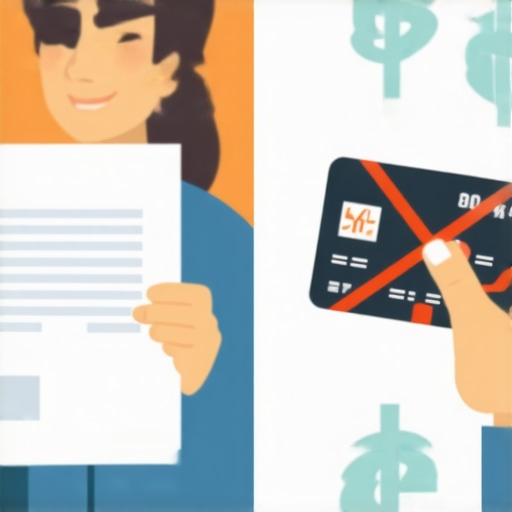
Why Consolidating Credit Cards Might Save Your Marriage
It was a quiet evening when I finally had that lightbulb moment—sitting at my kitchen table, staring at a mountain of credit card statements, feeling the weight of financial chaos threatening my marriage. The stress was palpable; every new bill felt like another arrow pointed straight at the foundation of our relationship. I realized then that managing multiple credit cards wasn’t just a matter of clutter—it was eroding trust, patience, and peace between my partner and me.
The Marriage-Saving Power of Simplified Credit Management
Managing credit cards can often feel like walking a tightrope. One wrong step, and your financial stability—and your relationship—can tumble down. But I found that consolidating my credit cards was a game-changer. Not only did it streamline my finances, but it also eased the constant tension that came with juggling multiple accounts and bills. If you’ve ever felt overwhelmed by your credit situation, you’re not alone. Many couples face the same dilemma, and it can strain even the strongest bonds.
Before I discovered the benefits of consolidation, I made a common mistake: ignoring the problem until the stress became too much. Early on, I thought keeping separate credit accounts was better for building credit scores, but I didn’t realize how much it could complicate our finances and spark disagreements. Had I known then what I know now—how effective consolidation can be—I would have taken action sooner.
So, what are we really solving today? My goal is to show you how consolidating your credit cards can reduce financial friction, improve your credit scores faster, and ultimately protect your relationship from the destructive power of debt stress. If you’ve ever wondered whether this strategy is worth trying, let me assure you—it is.
Is Credit Card Consolidation Actually Worth the Hype?
Many skeptics dismiss credit consolidation as just another fad or a financial gimmick. I get it—my initial hesitation was just like yours. I worried about lowering my credit score or creating more trouble in the long run. But after a lot of research and experimenting, I found that the right consolidation plan can be a real lifeline.
One thing I learned early on was the importance of understanding what mistakes to avoid. For example, I once tried to rush the process without proper planning, which led to unnecessary fees and even more confusion. That’s why I recommend exploring effective techniques for credit repair and management, such as those outlined in [this reliable guide](https://counselcredits.com/effective-credit-repair-techniques-for-a-fresh-financial-start). It’s vital to approach consolidation with a clear strategy, not just as a quick fix.
Have you faced the same predicament—believing that debt and credit issues might tear your marriage apart? If so, know that there are concrete, practical steps that can restore harmony and financial health. We’re about to dive into how you can do just that, starting with the basics of assessing your credit situation.
Assess Your Current Credit Situation
Start by pulling your credit reports from all three bureaus—Experian, TransUnion, and Equifax—to understand exactly what you owe and where you stand. Use a service like this guide to learn how to review your reports for errors and discrepancies that could be dragging your score down. Once you’ve identified all your accounts, categorize them by the balances, interest rates, and payment histories. This comprehensive understanding acts as the blueprint for your consolidation plan.
Choose the Right Consolidation Method
Decide between transferring balances to a single low-interest credit card, obtaining a personal loan, or considering a debt management plan with a credit counselor. Transferring balances is like moving your debts into a single, more manageable container—reducing clutter and making payments less overwhelming. A personal loan acts as a lump sum paid off to close out multiple cards, whereas a debt management plan involves working with a professional to negotiate better terms. Each method has pros and cons; pick what aligns with your financial capacity.
Negotiate or Apply for the Best Balance Transfer Offers
If opting for a balance transfer, look for cards offering 0% introductory APR periods—sometimes up to 18 months. This is like hitting the pause button on interest accrual, giving you breathing room to pay down principal faster. Apply online, ensuring your credit score qualifies you for the best offers, and aim for no transfer fees if possible. During my own process, I used a strategy detailed here to improve my chances of approval for a balance transfer card, which saved me hundreds in interest.
Create and Follow a Payment Strategy
Set up automatic payments to avoid late fees and to stay disciplined. Prioritize paying off the card with the highest interest rate—this is the snowball tactic that saves you money faster. Think of it as attacking the most aggressive enemy first, so your overall debt diminishes more quickly. Adjust your budget to free up extra funds—perhaps by halting unnecessary subscriptions—then channel that directly into debt payments.
Monitor Your Progress and Adjust
Use free tools or apps to track your credit score and balances over time. Watch for improvements or setbacks and adapt your plan accordingly. If you notice your credit scores aren’t recovering as expected, revisit these insights to troubleshoot common issues. Remember, consolidation is not a one-time fix but an ongoing commitment to responsible credit use.
Maintain Healthy Credit Habits Post-Consolidation
After paying off your debts, keep utilization low and avoid opening new accounts unless necessary. Use credit smartly—like a tool in your toolbox—only when needed. Regularly check your credit reports to catch any errors early, and stay disciplined with payments to prevent slipping back into old habits. These steps ensure that the consolidation effort doesn’t just clear the deck but builds a stronger financial future.
My personal experience with restructuring debt taught me that clear action and consistent discipline make all the difference. By methodically assessing, choosing the right approach, negotiating favorable terms, and maintaining good habits, you turn a daunting credit situation into a manageable, even empowering, process. Remember, every step forward is a move toward financial stability and peace in your relationship.
Many people assume that credit counseling and repair are quick fixes or just marketing ploys, but the truth runs much deeper. A frequent misconception is that enrolling in a debt management plan guarantees an instant boost to your credit score. In reality, these programs often involve negotiating with creditors to reduce payments or settle debts, which can temporarily lower your score before eventual improvement. Moreover, the idea that all credit counseling agencies are equally trustworthy is a myth; some firms employ aggressive tactics that can do more harm than good. It’s crucial to vet any provider carefully, consulting reliable resources and reviews.
Another common mistake is believing that paying off old collections will always boost your score immediately. While paying collections can prevent further damage and sometimes improve your credit, certain types—like medical collections—may not impact your score as much as many think, especially if they are older or disputed successfully. In fact, some collections are better challenged through dispute processes outlined here. This nuanced approach can save you time and effort.
For those building credit from scratch, many underestimate the importance of demonstrating responsible usage over time, rather than rushing to open multiple new accounts. Opening too many credit accounts in a short period, especially with hard inquiries, can backfire, lowering your score and increasing risk perception. Focusing instead on establishing a consistent payment history with a secured card or by becoming an authorized user is often more effective, as detailed in this guide. Patience and persistence outperform quick fixes in the long term.
So, what’s the hidden nuance that many overlook? It’s that credit health is a marathon, not a sprint. Strategies like consolidating debt, repairing credit, and building a strong credit profile require ongoing discipline, understanding of one’s unique financial situation, and awareness of the subtle impacts of various actions. For example, making on-time payments is generally emphasized—but understanding how different types of inquiries, account ages, and credit utilization ratios interact provides a much clearer pathway to success.
A key insight from industry experts is that maintaining low credit utilization and avoiding unnecessary new credit inquiries are among the top ways to improve scores. But beyond that, it’s about understanding the psychology behind credit—how your habits shape your scores over the long haul. This is why I recommend exploring these secrets for smarter credit management.
Have you ever fallen into this trap of oversimplifying credit repair? Let me know in the comments. Remember, a comprehensive, informed approach is your best strategy for sustainable financial health.Maintaining your credit health over the long term requires more than just initial efforts; it demands continuous monitoring, effective tools, and strategic adjustments. Personally, I rely on a combination of budget tracking software and credit monitoring services to stay on top of my financial landscape. For example, I use Mint daily to record expenses and ensure I stick to my debt repayment plan. Its real-time sync with my bank accounts helps me spot discrepancies early, preventing unnoticed errors from hurting my credit scores. Additionally, I subscribe to a reputable credit monitoring service that provides weekly updates on my reports, so I can identify any unauthorized activity or inaccuracies swiftly. These tools are instrumental in detecting issues before they escalate and in measuring improvements after implementing credit-building strategies.
Looking ahead, I predict that AI-driven financial management applications will become more personalized, offering tailored advice based on your credit habits. Such advancements will empower consumers to make smarter decisions and maintain healthier credit scores effortlessly.
How do I sustain my credit growth? The key is consistent review and adaptation. I set recurring calendar reminders to check my credit reports using trusted credit review techniques and adjust my budget and repayment strategies accordingly. This prevents complacency and keeps my progress on track.
One advanced tip I recommend is leveraging credit counseling secrets—specifically, creating a customized credit maintenance plan with specific milestones. For example, setting target scores every three months and reviewing the impact of your credit utilization rate can significantly accelerate your progress. Try scheduling regular updates with tracking tools that visualize your credit score trajectory over time. This visual aid can motivate you to stay disciplined and quick to address any setbacks.
Remember, the right combination of tools and a proactive mindset is your best asset in maintaining financial health. Continuously exploring new methods and staying engaged with your credit management efforts will yield long-term benefits, aligning with your financial goals and reducing stress related to debt. For tailored advice or more strategies, don’t hesitate to reach out. Staying vigilant today keeps your credit strong tomorrow.
3 Lessons That Challenged My Assumptions About Credit Repair
One of the hardest lessons I learned was that credit scores aren’t just numbers—they reflect behaviors and habits that demand ongoing attention, not quick fixes. I once thought that paying off collections would instantly boost my score, but I discovered that strategic disputes and understanding the nuances can be more effective—more details can be found here. Also, I used to believe consolidating debt was a shortcut, but without responsible habits, my scores could have dropped again. Responsible credit management is a marathon, not a sprint, and cultivating patience and discipline truly pays off.
My Go-To Resources to Keep Credit Goals on Track
Over time, I found that having a trusted toolkit makes all the difference. I rely heavily on online tools like Mint for budgeting, which helps me stay disciplined with payments. When I need detailed insights, I turn to credit counseling secrets that reveal simple yet powerful strategies for maintaining a healthy credit, especially in fluctuating financial climates. For learning foundational concepts or deep dives, I recommend this guide—it became my compass for rebuilding and strengthening my credit profile.
Stand Up and Take Control of Your Financial Future
Remember, mastering your credit is an empowering journey. Every decision—whether consolidating debt, disputing inaccuracies, or building credit from scratch—shapes your financial story. Don’t be overwhelmed by the process; instead, see it as a series of manageable steps towards a stronger, more secure future. Your credit health is within your reach, and taking proactive steps today ensures peace of mind tomorrow. Keep learning, stay disciplined, and celebrate the small victories along the way. Your journey to better credit begins now—are you ready to embrace it?
What’s the one credit management tip that resonated most with you? Share your thoughts below, and let’s grow stronger together.