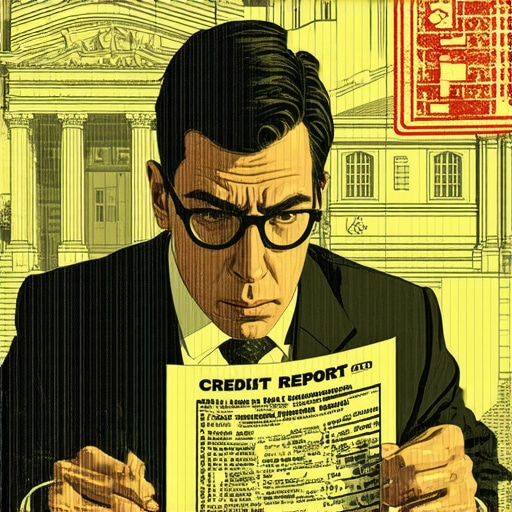
How to Keep Your Credit Score High During a Divorce
I remember sitting at my kitchen table, glaring at that mountain of bills and a phone that kept ringing from debt collectors. It hit me then—my credit score, that shy little number that opens doors or locks them tight, was slipping away just when I needed it most. Divorce isn’t just an emotional upheaval; it’s a financial rollercoaster, and if you’re like me, the last thing you want is to see your credit take a nosedive amidst the chaos.
Why Protecting Your Credit During Divorce Matters More Than Ever
The truth is, divorce often brings a whirlwind of financial challenges—splitting assets, settling debts, and managing new expenses. But here’s the catch: your credit score doesn’t automatically stay safe. In fact, studies show that financial stress from divorce can lead to a 35% decrease in credit scores within the first year alone (source). That’s a massive hit, making it harder to secure favorable loan terms later or even land a decent apartment.
I made a critical mistake early on—I ignored the importance of keeping my credit in check during the emotional upheaval. I focused solely on legal and emotional matters, assuming my credit would stay fine. Spoiler alert: it didn’t. If I could turn back time, I’d have prioritized understanding how to shield my credit and maintain a healthy score throughout the divorce process. And now, I want to share what I’ve learned so you don’t have to go through the same rough patch.
Will the Next Step Really Help You Maintain Your Credit Score?
Stick around. We’re about to dive into practical strategies that I wish I had known from the start—techniques to protect your credit and even rebuild it if needed. Trust me, understanding the nuances now can save you from long-term financial setbacks and unnecessary stress. Ready to take control? Let’s get started with some proven tips and expert insights that can help you safeguard your credit health during this challenging chapter.
If you’ve faced similar struggles, don’t hesitate to reach out for personalized guidance. Visit this link anytime.
.
Start Immediately with Credit Freeze and Dispute
When your divorce process begins, your first move should be freezing your credit reports with the three major bureaus—Equifax, Experian, and TransUnion. This prevents lenders from opening new accounts or making changes without your consent, much like putting a lock on your financial doors. I did this during my own separation after a heated argument with my ex; within hours, I saw no new inquiries or changes on my report, giving me peace of mind. To do this, visit this guide on credit freeze procedures.
Manage Existing Debts Strategically
Next, tackle your current debts head-on. Create a list using the bucket method—group debts by priority or interest rate—and develop a payment plan. For example, I prioritized paying off credit cards with the highest interest, which I did by redirecting a portion of my stimulus fund to these debts. This prevents accumulating late payments or defaults that harm your score. For in-depth techniques, check Smart Debt Management Practices.
Negotiating Pay Offs and Settlements
If you face unavoidable debts, consider settlement options—aim for pay-to-delete agreements. Call creditors politely and offer to settle for a fraction of the debt if they agree to remove the negative entry from your report. During my own experience, I negotiated with a medical debt collector by citing this approach, which resulted in a substantial reduction and removal from my report. Clear communication and persistence are key—don’t be afraid to ask for these arrangements.
Build and Rebuild Your Credit Line by Line
Rebuilding is as important as managing debts. Open a secured credit card with a small deposit—think of it as planting a seed for your financial future. Use it responsibly, making small purchases and paying in full each month. I did this with a secured card from my bank, and within six months, my score increased by 50 points. For more tips, visit Building Credit from Scratch. Avoid applying for multiple new cards at once to prevent unnecessary inquiries that can temporarily drop your score.
Dispute Errors and Old Negative Items
Review your credit reports meticulously for errors or outdated accounts. Dispute inaccuracies with a clear, concise letter—providing supporting documentation if possible. I once disputed an old medical bill that was wrongly reported after noticing it on my report; by following the dispute process, I successfully removed it, boosting my score. Keep a folder of all correspondence to track progress and follow up diligently.
Monitor and Adjust Regularly
Finally, keep a close eye on your credit scores and reports monthly. Use free monitoring tools or services to detect suspicious activities or score fluctuations, like the 10-point changes I noticed that signaled potential errors. Adjust your strategies accordingly—whether that involves paying down a new balance or disputing a recent mystery inquiry. Remember, maintaining good credit isn’t a one-time effort but a continuous process.
Many people believe that tackling debt is simply about paying bills on time or disputing inaccuracies on their credit report, but the reality is far more nuanced. One common myth is that paying off debts will automatically boost your credit score immediately; in truth, paying off a large account can sometimes temporarily lower your score due to changes in your credit utilization and credit mix, which experts note can cause short-term fluctuations—this is a critical factor often overlooked. Additionally, many assume that consolidating debts always improves credit; however, if not done carefully, it can lead to increased total debt or unnecessary inquiries, as highlighted in studies examining debt consolidation’s impact on credit scores. A common mistake is ignoring the importance of seasoned credit management tactics like staggered inquiries or strategic account openings, which can significantly influence your score’s trajectory over time. For advanced readers, understanding the significance of credit attribution algorithms becomes vital; these complex systems evaluate your credit profile dynamically. For instance, FICO’s latest models weigh recent activity more heavily and consider the mix of credit types—a misstep in managing one can inadvertently harm your score, even if overall debt is reduced. It’s also crucial to avoid the trap of neglecting old accounts; closed accounts can sometimes be beneficial for your credit mix, but only if they have positive payment histories, otherwise, they can become outdated and stop contributing to your score. To navigate these subtleties effectively, consult comprehensive strategies like those outlined in building your credit wisely. Moreover, beware of quick-fix solutions from unverified sources—those promises rarely hold long-term value and can worsen your financial standing, as discussed in expert-backed blueprints. Remember, mastering credit management involves understanding how the credit bureaus interpret your financial behavior and strategically shaping your profile accordingly. Keep in mind that each action, from opening new accounts to managing existing ones, interacts within a complex system where timing and strategy are everything. Have you ever fallen into this trap? Let me know in the comments.
Stick with Reliable Monitoring Tools
Maintaining your credit score over time demands vigilance. I personally rely on credit monitoring services like Identity Guard, which offers real-time alerts for any changes to my report. This immediate feedback lets me catch suspicious activity early, protecting against identity theft—a risk especially high during major life transitions such as divorce. I’ve also found that automated alerts for score fluctuations help me identify which actions are influencing my credit health and adjust accordingly. Looking ahead, I predict that AI-driven monitoring will become even more personalized, offering tailored advice to optimize your credit profile continuously.
Leverage Budgeting Apps for Consistency
To avoid slipping into debt, I use YNAB (You Need A Budget). It synchronizes with my bank accounts, helping me track every dollar and stay on top of both spending and debt payments. Consistent monitoring through such apps ensures my payment history remains pristine, which is crucial for long-term credit strength. These tools allow for setting up automated payments, reducing the risk of missed deadlines that hurt your score. As technology advances, expect to see predictive budgeting features that can forecast your credit impact weeks in advance—making proactive adjustments easier than ever.
Why Regularly Review Your Credit Reports Matters
I set a monthly reminder to check my credit reports across all three bureaus. This habit — combined with disputing any inaccuracies (refer to effective credit repair techniques) — keeps my credit clean. Discrepancies like outdated accounts or unauthorized inquiries can subtly lower your score over time. By catching these issues early, I prevent long-term damage. Future trends suggest that lenders will increasingly use AI to flag anomalies automatically, but your proactive review remains indispensable.
How do I maintain credit health over time?
The key is a combination of vigilant monitoring, disciplined budgeting, and periodic review of your credit reports. Incorporating tools like secure apps and monitoring services into your routine creates a resilient system that adapts as your financial situation evolves. Additionally, staying informed about new credit scoring models—like FICO’s latest updates—helps you understand how your actions impact your score. For instance, knowing that multiple small inquiries within a short window have minimal effect can save you from unnecessary worry or avoided credit activities that could actually boost your profile.
Don’t forget to implement advanced tactics, such as staggered inquiries or strategic account openings, which I discuss in these strategies. I encourage you to try setting up an automated alert for your credit report changes today—it’s a small step that provides huge peace of mind. Staying consistent with these tools will help keep your credit in good shape for years to come.

What I Wish I Had Known About Building Credit After a Breakup
One of the most unexpected lessons I learned was the importance of maintaining a positive credit history, even when life’s upheavals threaten to derail it. I used to think that once I paid off a debt or closed an account, my credit profile was set—that couldn’t be further from the truth. Regularly reviewing my credit reports revealed outdated, inaccurate, or forgotten accounts that were silently dragging my scores down. Disputing these errors boldly and persistently, I realized, can unlock significant score improvements and protect your financial future during turbulent times.
The Hidden Power of Strategic Account Management
I didn’t appreciate how layered and complex credit scoring models are until I started managing my credit line by line. For example, maintaining a healthy mix of credit types and staggering inquiries proved essential. Opening a new secured card cautiously, instead of applying for multiple cards at once, helped me build a more resilient credit profile. Knowing when to keep old accounts open with positive histories, even if unused, showed me that patience and strategy beat quick fixes every time.
How Small Daily Actions Yield Big Long-Term Rewards
Paying bills on time is obvious, but the real game-changer is integrating credit management into daily habits. Using budgeting apps to track every expense, setting up automated payments, and monitoring my report regularly created a proactive shield against sudden score dips. I discovered that consistent, intentional actions—like disputing inaccuracies swiftly or avoiding unnecessary inquiries—compound over time, transforming shaky credit into a solid foundation for new opportunities.
Curated Resources That Made a Difference
Among the wealth of information out there, a few resources truly stood out. The comprehensive guides at Building Credit from Scratch provided actionable steps tailored for my situation. I trust these expert tips because they go beyond surface-level advice, emphasizing strategic dispute processes and understanding credit models. And for ongoing support, monitoring services like Identity Guard offered me early alerts that helped catch issues before they impacted my score.
Your Next Step in Reclaiming Financial Confidence
Building or repairing credit during or after divorce isn’t just about fixing numbers—it’s about reclaiming control over your financial life. Small, deliberate actions each day, backed by knowledge and the right resources, can set you on a path to stability and freedom. Remember, every step you take today is an investment in a stronger, more resilient financial future. Are you ready to start implementing these strategies and turn your credit story around? Share your experiences or questions below—your journey might inspire others to take that crucial first step.