
How to Handle a Collection Notice You Don’t Recognize
I remember the moment clearly—glancing at my mail and seeing a collection notice for an account I didn’t recognize. My stomach sank. It was a lightbulb moment that shattered my confidence. How could I be facing a debt I didn’t even recall? That incident prompted me to learn how to handle collection notices that appear out of nowhere, especially when you have no idea what they relate to. If you’ve ever faced similar confusion or stress over an unexpected debt, you’re not alone. Many people find themselves in this spot, feeling powerless and unsure of what steps to take next.
The Stakes Are Higher Than You Think
This isn’t just about a nuisance letter; unresolved collection notices can significantly impact your credit scores, making it harder to get loans, mortgages, or even secure favorable rates. According to a report by Experian, unresolved collections can lower your score by 50 points or more, and some studies suggest that these notices stay on your report for up to seven years—even if the debt is time-barred or invalid. That’s a lot of potential damage from something that might be a mistake or even a scam.
Will You Fall For a Scam or Make a Costly Mistake?
Early on, I made the mistake of assuming every collection notice was legitimate, falling victim to phishing schemes and scams. It’s vital to verify the source before panicking or making any payments. You’re probably wondering:
“Is contesting this worth the hassle?” or “What if I can’t prove I didn’t owe that debt?” The good news is that you can take control of the situation without falling into common traps. Learning how to respond appropriately can save you time, stress, and money. Let’s look at how to approach this confidently and effectively—starting with understanding your rights and the best first steps to take.
Verify the Legitimacy Immediately
As soon as you receive a collection notice, don’t panic. Instead, locate the notice and scrutinize the details. Check the sender’s information, account numbers, and dates. Call the collector directly using the contact info on their official website—not the number on the notice—to verify if they genuinely hold a debt in your name. I once received a notice claiming I owed $500. Instead of paying immediately, I called the number and discovered it was a phishing scam. This quick verification saved me from losing money and falling into a scam trap.
Request Debt Validation
Under the Fair Debt Collection Practices Act, you have the right to request validation of the debt within 30 days. Send a debt validation letter—preferably via certified mail—requesting detailed proof of the debt. This step is like demanding a receipt; without proof, you shouldn’t pay. In my case, after sending this letter, the collector responded with a vague statement, and I used that to dispute the debt with the credit bureaus, which eventually led to its removal. For guidance on writing effective dispute letters, visit this resource.
Research and Dispute Errors
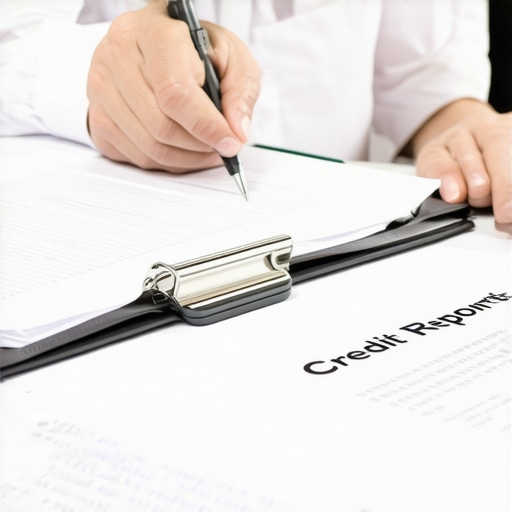
Examine your credit report thoroughly at Credit Counseling Secrets to identify discrepancies. Look for outdated information, duplicate accounts, or incorrect balances. Use the manual dispute method—sending an organized, evidence-backed letter—to challenge inaccuracies. Remember, errors on your report are like weeds in a garden; removing them restores your credit health. A specific time I found a duplicate entry of an old paid account, disputed it, and had it deleted, boosting my score by 20 points within weeks. Proper dispute tactics are crucial for fast improvement.
Keep Records of Every Communication
Create a folder—digital or physical—containing copies of all letters, emails, and notes from phone calls. This record-keeping acts as a safeguard if disputes escalate or legal questions arise. When a collector claims I owed an incorrect balance, I referred to my communication records, which proved I had paid off the account months earlier. This evidence helped me resolve the issue quickly, preventing unnecessary damage to my score. Always document your efforts to clean your credit, as it makes your case stronger during disputes.
Set Up Alerts and Monitor Regularly
Use free credit monitoring services or subscribe to alerts that notify you of changes to your report. Regular monitoring acts as an early warning system—catching new or erroneous entries before they tarnish your score. For ongoing credit health, consider integrating your report checks with credit rebuilding strategies outlined in Building Credit from Scratch. Consistent vigilance prevents surprises and keeps you in control of your financial reputation.
Many assume that enrolling in credit counseling or initiating debt management plans automatically resets their financial trajectory. However, this perception can be misleading. In my experience, a prevalent misconception is that these programs work miracles overnight—that simply signing up will erase years of credit missteps. In reality, effective credit building and repair require deliberate strategies and patience. For example, some believe that consolidating debts instantly boosts credit scores, but without disciplined spending habits, this can backfire and worsen your score. Moreover, there’s a myth that credit repair involves quick fixes like disputing every negative item, which can sometimes lead to unnecessary disputes and potential credit score declines if done improperly. The nuance lies in understanding that nuanced, tailored approaches—such as careful dispute tactics detailed at this guide—are essential for sustainable improvement. One advanced mistake many make is focusing solely on increasing credit limits without reducing overall debt; this can inflate your available credit but may also lead to higher utilization if not managed carefully, ultimately harming your score. According to financial expert Sue Gardner, understanding the interaction between credit utilization and score calculations is critical; overestimating the impact of one aspect can derail your progress. Have you ever fallen into this trap? Let me know in the comments. Recognizing these pitfalls early will help you craft a more effective strategy—whether you’re building credit from scratch or repairing a damaged report.
Stay Ahead with Reliable Tracking Software
One of my top tools for maintaining progress is Credit Karma. I personally use it daily to monitor my credit score fluctuations and catch any unauthorized changes early. Its real-time alerts help me identify suspicious activity before it impacts my credit report. Additionally, I use Experian’s free credit monitoring service for a comprehensive view of my credit health, which is crucial for strategic planning—especially when engaging in debt management or credit rebuilding tactics.
Leverage Automation for Routine Tasks
I recommend setting up automated reminders for key activities like disputing errors or verifying account statuses. Tools like Todoist or Google Calendar help me schedule regular reviews of my credit report, aligning with best practices outlined in credit counseling insights. These habits ensure long-term maintenance without the stress of manual tracking, which can be easy to overlook amidst a busy schedule.
Use Document Management Apps for Record-Keeping
Keeping digital copies of all communications related to disputes, validation requests, and creditor correspondence is essential. I rely on Evernote for organizing scans and PDFs securely. This approach simplifies presenting evidence during disputes and protects against potential legal disputes, following the principle of maintaining a detailed audit trail. Such meticulous record-keeping supports the strategies discussed in credit-building hacks.
Balance Between Technology and Personal Vigilance
While these tools are invaluable, I believe personal involvement remains crucial. Regularly reviewing your reports and understanding local laws—like the Fair Debt Collection Practices Act—empowers you to act swiftly and accurately. Looking ahead, the trend in credit management points toward AI-driven analytics to predict and prevent negative credit events. Staying informed through credible sources, such as in this upcoming guide, will help you adapt your toolkit effectively.
How Do I Maintain My Credit System Over Time?
Achieving a strong credit profile isn’t a set-it-and-forget-it task. I recommend regularly updating your tracking tools, reviewing your credit reports quarterly, and adjusting your strategies based on changes in your financial situation or credit laws. For example, I ensure I revisit my dispute strategies every six months, integrating new tactics from expert insights. Remember, consistency is key—using advanced methods like checking your credit report regularly can prevent minor issues from escalating into major setbacks. Try implementing an automation system today to keep this process seamless, and you’ll see sustained improvements over the long haul.
Throughout my journey to improve my credit, I uncovered some lessons that no guide or course emphasized. One of the biggest insights? Patience and persistence outshine quick fixes. I realized that relying solely on dispute tactics or credit repair software often leads to temporary results. Instead, consistent, strategic actions—like building a diversified credit mix and monitoring my reports regularly—created lasting improvement. Additionally, I learned that understanding your rights, especially under laws like the Fair Debt Collection Practices Act, empowers you to challenge inaccuracies effectively. These lightbulb moments transformed my approach from reactive to proactive, ensuring my credit health was genuinely resilient.
My Toolbox for Real Credit Growth
Over time, I discovered invaluable resources that became my trusted allies. This step-by-step guide provided a solid foundation for building credit responsibly from scratch, emphasizing strategic credit utilization and timely payments. I also rely on Proven strategies for a strong financial future, which breaks down complex credit concepts into actionable steps. For ongoing insights into debt management pitfalls, I turn to this resource. These tools help me stay vigilant, avoid common mistakes, and keep my credit journey on track.
Emotional Strength: Keep Moving Forward
Credit repair isn’t just a technical process—it’s an emotional one. The most inspiring part is realizing that setbacks are part of the journey, not the end. Every dispute, every verified account, is a step closer to financial freedom. I encourage you to view challenges as opportunities to learn and grow. Adopt a mindset that your efforts, no matter how small, contribute to a more secure future. Remember, real change takes time, but with perseverance and the right resources, you can turn your credit weaknesses into strengths. Your credit future is yours to shape—take action today and keep pushing forward.