How to Settle Private Student Loans for Pennies
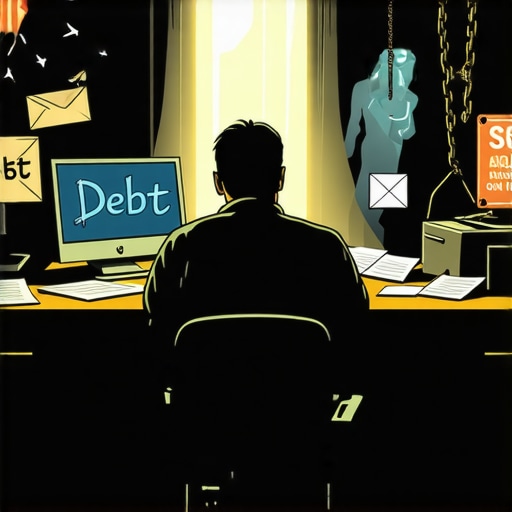
I remember the sinking feeling of opening my mail and seeing yet another intimidating notice from a private student loan collector. It was as if the weight of my debts had become a physical thing pressing on my chest. I knew I was trapped in a cycle of high interest rates and unmanageable payments, but I refused to remain stuck. That lightbulb moment came when I realized that settling my private student loans for pennies was not just a pipe dream but a tangible goal—if I knew how to negotiate effectively.
Turning the Tide on Student Loan Debt
What if I told you that settling your private student loans for a fraction of what you owe is possible? I’ll share my journey and the proven strategies I discovered along the way. Many people believe that loans are locked in, that there’s no negotiating room, but that’s a myth. The truth is, creditors often prefer a quick settlement over prolonged collection efforts or legal battles. In today’s climate, savvy debtors can leverage this to their advantage.
If you’re tired of feeling overwhelmed and want to learn how to take control of your debt, you’re in the right place. I’ll walk you through the exact steps I used to negotiate down sky-high balances into affordable settlements. And yes, I’m not just pulling this out of thin air—these tactics are backed by real experience and industry insights.
But before we dive into the how-to, let me tackle a common concern. You might be thinking, “Is settling these loans actually worth the effort?” That’s a fair question, especially with all the scams out there promising quick fixes. Well, skip the hype. Settling private student loans can save you thousands if done correctly, and I’ve included resources like the [Ultimate Credit Repair Blueprint](https://counselcredits.com/the-ultimate-credit-repair-blueprint-for-2025) to ensure you’re armed with the right knowledge.
One mistake I made early on was ignoring the importance of proper communication and documentation. I learned the hard way that every email, call, and offer should be carefully recorded. This habit helped me avoid common pitfalls and made my negotiations smoother.
Now, if this sounds like a game you’re ready to play, let’s explore how you can start turning your debt into a manageable, even pennies-on-the-dollar settlement.
Assess Your Financial Landscape
Start by gathering all details about your private student loans: balances, interest rates, payment history, and the collection agency involved. Create a spreadsheet or a simple document to keep track. I remember sitting at my kitchen table, digging through statements, realizing some lenders had fallen behind or had outdated contact info. This clarity lets you approach negotiations confidently.
Establish Your Target Settlement Amount
Decide what you can realistically pay. Typically, creditors are willing to accept 30-60% of the owed amount for a quick settlement. Think of it like bargaining at a flea market—you want a price that benefits both sides. I found that starting at 20-25% of the total debt, explaining my financial hardship, often prompted counteroffers closer to my target.
Prepare Your Negotiation Script
Before calling, rehearse what you’ll say. Be honest about your situation; creditors prefer quick resolutions over lengthy collections or legal actions. For example, I explained I was facing unforeseen medical expenses, making it impossible to pay the full amount. Citing hardship can motivate them to accept a lower lump sum.
Initiate the Conversation
Call the collection agency during business hours. Clearly state your intent to settle and present your proposed amount. Always be polite and keep a calm tone. During my first call, the representative was initially resistant but, after reiterating my plan and financial constraints, they agreed to submit my offer for approval. Remember, persistence often pays off.
Get Everything in Writing
Once an agreement is reached, demand written confirmation. Never agree to a settlement over the phone alone. Send a follow-up letter or email confirming the terms. When I received the settlement letter, it explicitly stated the settled amount and the account was marked as paid in full. Keep copies for your records—this documentation is essential if disputes arise later.
Handle the Payment Properly
Pay using a traceable method like a money order, certified check, or electronic transfer. Avoid cash. After payment, request a debt-free letter that confirms the account is closed and satisfied. I used a postal money order and kept the receipt, which proved crucial when the account was updated on my credit report.
Follow Up and Monitor Your Credit Report
Check your credit reports from all three bureaus to ensure the settlement is reflected accurately. Dispute any discrepancies immediately. I used credit repair techniques to correct any errors and verify that my credit score benefited from the settlement.
Stay Prepared for Future Negotiations
Not every creditor may accept your initial offer, but don’t be discouraged. Sometimes, increasing your offer slightly or demonstrating increased financial hardship can tip the scales. Remember, each negotiation is a learning experience—analyze what worked or didn’t for next time, and consider resources like credit repair blueprints to strengthen your bargaining power.
< >Many people assume that credit building and repair are straightforward processes, but beneath the surface lie misconceptions that can hamper progress. For instance, a prevalent myth is that paying off debt instantly boosts your credit score; in reality, responsible management and strategic actions have a more profound impact. Rushing to pay collections or removing negative items without understanding their effect on your credit history can backfire, often lowering your score further. It’s essential to recognize that some negative marks, like certain late payments, remain on your report for years, and attempting to erase them prematurely might trigger disputes or suspicions, especially when using aggressive removal tactics seen in advanced credit repair strategies.
One critical nuance often overlooked is the importance of maintaining a low utilization ratio—the ratio of your credit card balances to credit limits. Experts like those at FICO emphasize that keeping this ratio below 30% can significantly influence your score more than merely the total outstanding debt. Moreover, aggressive methods like credit score smoothing or rapid dispute processes can sometimes damage your credibility with credit bureaus if not executed carefully. For example, disputing accurate information repeatedly or employing unauthorized removal techniques could lead to long-term adverse effects, which is why understanding the legalities and industry standards is crucial.
A common trap is over-relying on credit counseling as a cure-all for debt issues. While reputable agencies offer valuable guidance, some rely on debt management plans that extend repayment periods unnecessarily, potentially harming your credit profile. Instead, a deeper dive into debt management secrets reveals that strategic negotiations and targeted debt redistributions often yield faster, more sustainable improvements. External sources, including industry studies, underscore that personalized, disciplined approaches outperform generic counseling when it comes to truly rebuilding credit.
Why does disputing accurate negative info sometimes do more harm than good?
This question prompts a sophisticated look into credit reporting: the Fair Credit Reporting Act mandates that accurate data should remain on your report for seven to ten years. Arbitrary disputing of verifiable information doesn’t just risk rejection; it might cause creditors or bureaus to flag your account for suspicious activity, impairing future lending opportunities. The key is to focus on legitimate errors or outdated entries, using documented evidence and proven dispute methods. For an in-depth guide, exploring resources like the ultimate blueprint for credit repair can provide strategic insights.
Being aware of these nuances helps in crafting a smarter, more sustainable credit strategy. Avoid quick fixes or manipulative tactics that can jeopardize your credibility—aim instead for disciplined, informed actions that build a resilient financial foundation. Remember, each move should be deliberate and backed by knowledge. Have you ever fallen into this trap? Let me know in the comments.
Invest in the Right Tools for Long-Term Credit Success
Maintaining a strong credit profile over time requires more than just knowing the basics; it demands reliable tools that help you track, analyze, and optimize your financial health. My personal go-to is Mint, an intuitive platform that consolidates all my accounts, credit card activity, and bills in one dashboard. This transparency enables me to monitor my utilization and payment habits daily, catching potential issues before they affect my score.
Another indispensable resource is credit report monitoring services like Experian or Credit Karma. Regular checks ensure that any inaccuracies or outdated info are corrected promptly, preserving your hard-earned progress. I personally review my reports monthly—not only to verify updates from my disputes but also to spot signs of identity theft or fraud early.
Using budgeting software like YNAB (You Need A Budget) complements credit management by helping me allocate funds for timely payments, preventing late fees and negative marks. Automation of scheduled payments minimizes human error and ensures consistent data entry, which is crucial for maintaining a good score.
What’s the Future for Credit Monitoring and Repair Tools?
As technology advances, expect even more integrated solutions utilizing AI and machine learning to predict credit risks and advise proactive measures. For example, emerging platforms could analyze your spending patterns and suggest personalized debt reduction strategies or alert you to upcoming credit events that might impact your score. Staying ahead means embracing these innovations early, making your credit health not just a reactive process but a proactive one.
How do I maintain my credit over time without constant stress?
Consistency is key. Automating payments, regularly reviewing your credit reports, and using intelligent budgeting tools create a safety net that keeps your credit profile stable. Remember, your credit score reflects your ongoing financial behavior—not a one-time effort. Incorporate these habits into your monthly routine, and you’ll build resilience against unexpected setbacks.
For a comprehensive plan that combines strategic credit management with effective debt control tactics, check out this resource. Implementing even one advanced tip from this guide can propel your credit journey forward and ensure long-term success.

The Hardest Lesson I Learned About credit building,credit repair,credit counseling,debt management
One of the most eye-opening realizations was that creditors are often more motivated by quick resolution than holding out for full repayment. This understanding transformed how I approached negotiations, focusing on creating win-win scenarios rather than confrontations.
Why the Biggest Myths About credit rebuilding Could Hold You Back
I once believed that paying off old debts immediately would skyrocket my credit score. However, understanding the nuances of how credit scoring works revealed that strategic timing and management matter more than rapid payoff, preventing unnecessary damage to my credit history.
Secrets Industry Insiders Might Not Share Openly
Many professionals overlook the importance of accurate documentation when settling debt. Keeping meticulous records of every interaction and written agreement turned out to be my strongest shield against future disputes, ensuring my efforts were recognized and validated.
Curated Tools to Accelerate Your Credit Journey
- Credit Karma: I trust it because it provides real-time updates and user-friendly monitoring, helping me stay ahead of errors and negative marks.
- Experian’s CreditWorks: Its detailed reports and alerts give me peace of mind that my credit profile remains accurate and optimized.
- YNAB Budgeting Software: Budgeting is key to maintaining consistent payments, and YNAB’s intuitive platform keeps me disciplined and aligned with my financial goals.
- The Ultimate Credit Repair Blueprint: This comprehensive resource offers step-by-step strategies that have significantly boosted my credit health, giving me confidence that I’m on the right track.
You Are Closer Than You Think to Financial Confidence
Building and repairing credit is not an overnight process, but every small step compounds into lasting progress. My message is simple: trust in your ability to learn, adapt, and act. The journey may seem long, but with patience and the right resources, you can transform your financial future. Remember, your credit health is in your hands—take the first step today and unlock your true potential.