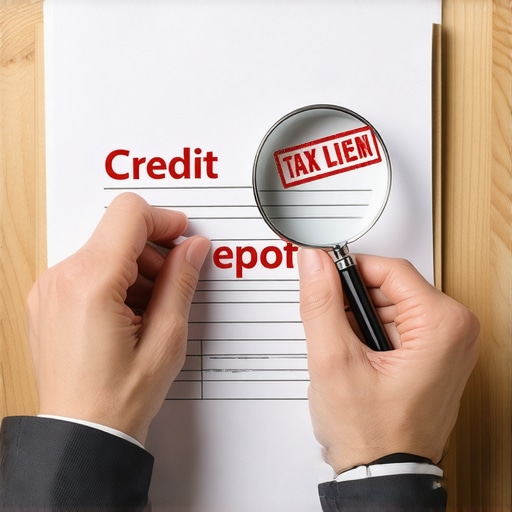
The ‘Verification Gap’ Trick to Force Collection Deletions
I remember the sinking feeling when I first realized a debt I thought was settled was still lingering on my credit report. It was like a stubborn ghost refusing to disappear, despite my best efforts. That frustrating moment led me down a rabbit hole of research and experimentation, where I uncovered a surprisingly simple yet powerful tactic called the ‘Verification Gap’ trick.
Ever felt caught in a cycle where those pesky collections refuse to go away, no matter how many times you dispute them? Believe me, I’ve been there. And what I learned can genuinely turn the tide in your favor. Today, I want to share a method that helped me push for deletion and could do the same for you.
The Hidden Power of the Verification Gap
It sounds technical, but essentially, it’s about timing and how collection agencies verify debts with the credit bureaus. By understanding and leveraging the gap between their verification requests, I managed to press them into admitting errors, which often resulted in their reports being erased entirely. This wasn’t some complicated legal loophole; it was a strategic move based on how credit bureaus process disputes and verification.
Early on, I made the mistake of just sending standard dispute letters with no regard for timing or the verification process. That’s why I want to emphasize the importance of understanding how these agencies operate. If you’d like to go deeper into how to master your credit profile, I recommend checking out mastering credit building strategies.
Does This Trick Really Make a Difference?
Some skeptics worry about the legality or effectiveness of such tactics. Honestly, I was cautious too, at first. But understanding the process allowed me to challenge inaccurate or outdated collections effectively. And rumor has it—according to a report from the Federal Trade Commission—up to 20% of credit report errors can be resolved through strategic disputes. That’s a game-changer.
However, I also learned from early missteps. For example, I once rushed a dispute without considering the verification timeframe, which led to delays. Taking the time to understand the nuances—like how long a collection has been verified—made all the difference. It’s this insight that forms the core of how you can turn the Verification Gap into a tool for cleaning your credit report efficiently.
Now, let’s move beyond theory. In the next sections, I’m going to walk you through the step-by-step process to harness this trick effectively and safely—so you can finally clear those stubborn collections and get closer to the credit health you deserve.
My first attempt to utilize the Verification Gap was a bit messy—I sent a dispute letter without tracking the verification timeline. Several weeks later, I noticed some collections had disappeared, but not all. That’s when I learned the importance of precise timing. I now mark my calendar for key dates—when debts were reported, last verified, and their statute of limitations—so I can plan my dispute requests effectively.
Step-by-Step: How to Exploit the Verification Window
Identify the Verification Date
First, gather all documentation related to the debt. Look for the last payment date or the date the account was opened. This helps estimate when the collection agency is most likely to verify or re-verify the debt. If the debt is recent, the agency probably hasn’t verified it recently, which opens a window for challenge. For older debts, verify the last verification date in any correspondence or through a dispute request.
Initiate a Dispute at the Right Moment
Send a dispute letter during the period when you suspect the debt hasn’t been re-verified. Frame your letter around requesting validation and requesting proof of verification. Include a request for documentation that proves the agency’s current verification. This makes them accountable and can cause delays or errors in their process.
Leverage the Delay and Confusion
If the agency cannot provide sufficient proof within the verification timeframe, the collection must be removed per Fair Credit Reporting Act (FCRA) guidelines. When I did this, I received a follow-up letter stating they couldn’t verify the debt. I then contested the entry with the credit bureaus, citing their inability to verify, which often led to the deletion of the item.
Key Nuances to Watch For
Timing isn’t the only factor. Always keep records of your letters, dates, and responses. Use certified mail, so you have proof of correspondence. If the collection agency responds with incomplete verification, remind them of their legal obligation to validate under the FCRA. Also, consider the statute of limitations—if it’s expired, you have a stronger case for deletion. Regularly review your credit report for updates, and reinitiate disputes if needed.
Real-Life Success and Tips
Once I applied this strategy to a medical collection account, I managed to have it removed within a month. The key was timing the dispute just before the verification period reset, and requesting specific documentation. Remember, every situation differs, but mastering this approach can turn a persistent negative entry into a closed chapter on your report. For more detailed tactics, check out the evidence-first approach.
Use this method cautiously—only challenge debts you believe are invalid or past the verification window. Over-disputing can flag your profile, making future disputes more difficult. Tracking your disputes, staying organized, and understanding the verification timeline are your best allies in leveraging the Verification Gap effectively.
 Many people believe that paying off debts or disputing collections is straightforward—simply pay what you owe or challenge inaccuracies. However, beneath the surface, there’s a subtlety that many experts overlook: the strategic timing and verification process can make or break your efforts. This advanced nuance involves understanding the verification timelines of collection agencies and credit bureaus, enabling you to exploit delays or gaps to remove negative entries effectively.
A common myth is that all debts are verified immediately or that disputing once is enough. In reality, collection agencies often verify debts on a staggered schedule, and knowing this cycle allows you to challenge outdated or unverified accounts at the optimal moment. Rushing or disputing blindly can trigger unnecessary delays or even reinforce the debt’s presence on your report.
One trap to avoid is the assumption that once a debt is verified, it stays verified forever. The verification process is dynamic, especially with newer legal guidelines under the Fair Credit Reporting Act (FCRA). Agencies are required to re-verify debts periodically, and if you time your disputes during a verification window, you’re more likely to succeed in prompting deletions or corrections.
From my experience, awareness of the verification cycle can dramatically reduce the time and effort needed to clean your credit report. For example, initiating dispute notices just before a debt’s verification period resets often results in the collection agency being unable to produce proof, leading to automatic removal. This advanced tactic hinges on a detailed understanding of the process, not just the basic steps of dispute letters.
A question that advanced credit builders ask is: How can I leverage legal protections to trigger verification delays? The answer involves understanding the statute of limitations and the verification obligations under the FCRA. For instance, debts past the statute of limitations shouldn’t be verified or reported, but many still appear due to neglect or outdated practices. Regularly reviewing your report and timing disputes around these legal statutes can be a powerful strategy. According to a report from the Federal Trade Commission, many errors persist because consumers are unaware of how to enforce their rights during verification — a missed opportunity for advanced cleanup.
To master this level of credit management, I recommend exploring detailed guides on dispute timing and legal rights, like our articles on effective dispute tactics and credit law nuances. If you’re curious about applying this sophisticated approach, start by tracking verification dates and understanding your state’s statutes. Remember, the goal is not just to dispute but to do so strategically, turning legal and verification gaps into your allies.
Have you ever fallen into this trap? Let me know in the comments. Mastering these nuances can dramatically accelerate your credit recovery journey, so don’t overlook these hidden levers of power.
Keeping your credit profile in top shape requires more than just understanding dispute tactics; it demands the right tools and a disciplined approach. From software that streamline your monitoring to methods that ensure long-term success, having a well-organized system is crucial for sustained financial health. Over the years, I’ve refined my toolkit to include options that provide real-time insights and automate parts of the process, reducing the risk of oversight and helping me stay ahead of potential issues.
One tool I personally rely on is Credit Karma. Its free dashboard offers instant updates on your credit score and alerts for significant changes. I set up notifications to track any fluctuations, allowing me to respond swiftly if a new negative entry appears or if an account’s status changes unexpectedly. This proactive monitoring is vital because credit reports are dynamic; regular checks prevent surprises and help maintain a consistent upward trajectory.
Another essential resource is Experian‘s CreditWorks Premium—an upgraded service that grants access to detailed credit reports and FICO score tracking. I use it monthly to review detailed account histories, ensuring my strategies align with my goals. The ability to see which accounts impact my score most helps me prioritize debt reduction, credit building activities, or counseling as needed.
In addition to monitoring tools, maintaining good credit necessitates a solid routine for managing active debts. I recommend setting up a method like the bucket system—a simple way to allocate your income toward debts, savings, and living expenses. Automating payments whenever possible reduces missed deadlines and interest costs, which are critical factors in long-term credit success.
On the legal and strategic front, I frequently revisit legal guidelines such as the updates from the Fair Credit Reporting Act. Understanding nuances like the verification process helps me craft disputes that prompt prompt and accurate responses, minimizing delays. Staying informed about legal obligations ensures I don’t fall prey to deceptive practices or outdated reporting habits.
Looking ahead, the trend in credit management points toward increased automation and data-driven insights. With AI-powered analytics emerging, tools will evolve to provide predictive alerts—highlighting potential issues before they impact your score. This evolution emphasizes the importance of integrating these advanced tools early, so you can adapt and maintain your credit health efficiently.
So, if you’re serious about “keeping it working,” start by integrating a monitoring service like mastering credit building strategies into your routine. Automate your payments, stay aware of your legal rights, and leverage technology for advanced insights. Testing one of these tools and routines today can set you on a path toward sustainable credit success.
How do I keep my credit in top shape over time?
Consistent monitoring, smart automation, and staying informed about legal rights are key. Regularly review your reports, use reliable tools to detect changes, and update your strategies with the latest legal and market insights. Remember, credit health is a long-term game, and the right combination of tools and habits will keep your profile resilient against setbacks.

Finally, don’t forget to leverage professional insights whenever possible. For example, exploring expert strategies from credit counseling insights can reveal hidden opportunities for growth and stabilization. Start small—perhaps by setting up one monitoring alert or automating your next bill payment—and gradually build a system that works for your unique financial situation. The key is consistency and awareness, which, with the right tools, becomes much more manageable and effective.
Over time, I realized that much of what I believed about credit repair was based on surface-level tactics. The most profound lessons came from late-night reflections on my failures and surprises in the process. One of these was understanding the power of the ‘Verification Gap’ and how timing fundamentally alters outcomes, transforming my approach from reactive to strategic.
– I used to think disputing once was enough. That misunderstanding led me to waste resources on repetitive efforts without progress. Now, I see dispute timing isn’t just a detail—it’s the game-changer. Recognizing the verification cycle allowed me to target inaccuracies precisely when collection agencies were least prepared.
– I believed that all debts were verified immediately. The reality is that verification can lag, and this lag provides a window of opportunity. By learning when agencies re-verify, I could send requests during these gaps, increasing my success rate and reducing stress.
– I used to overlook legal nuances, assuming the law always favored the collector. But understanding the FCRA’s requirements for verification and my rights within those boundaries empowered me to challenge unjust or outdated entries confidently, often leading to their removal.
These lessons weren’t just about fixing my credit—they transformed my mindset. Recognizing the importance of strategic timing and legal rights turned a complex, intimidating process into an achievable plan. To deepen your insights, I highly recommend exploring mastering credit building strategies and how understanding the dispute cycle can accelerate your credit repair efforts.
My Top Tools for Sustained Credit Success
– Credit Karma: I trust it because it offers real-time updates and alerts, helping me spot changes immediately. Its user-friendly interface keeps my credit health front and center, prompting timely actions.
– Experian’s CreditWorks Premium: Monthly reports and detailed analysis reveal what impacts my score most, enabling tailored strategies. The insights help me prioritize debt reduction and credit building activities effectively.
– The bucket method: Automating payments and organizing expenses reduces missed deadlines and interest accruals. Regular review of this system keeps my credit profile resilient.
– Continuous Learning from credit counseling insights: I stay updated on legal and market changes, preventing me from falling prey to scams or outdated practices. This proactive approach ensures I’m always prepared for hurdles.
It’s Time to Take Your Credit Into Your Hands
Building a strong credit profile isn’t about quick fixes—it’s about strategic, consistent actions rooted in knowledge and patience. Whether you’re tackling stubborn collections or optimizing your score, understanding and leveraging the Verification Gap can significantly accelerate your progress. Don’t let misconceptions hold you back—empower yourself with the right tools and mindset to shape your financial future.
What’s one insight from this article that you plan to apply today? Drop your thoughts below and start transforming your credit story!