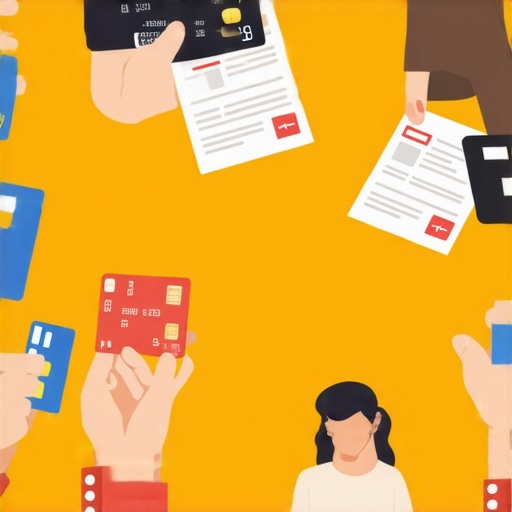
The ‘Credit-Mix’ Rule for Hitting an 800 FICO Score
I remember the moment well. After years of juggling multiple credit cards, paying bills on time, and trying every tip I found online, I still hovered around a 740 score. Frustrated, I finally stumbled upon a seemingly obscure concept: the credit-mix rule. That lightbulb moment transformed my credit journey entirely. If you’re like I was—struggling to push your score into the elite 800 range—then stick around. Today, we’ll dive into how mastering your credit-mix can be the game-changer you need.
Why Your Credit-Mix Could Make or Break Your Score
Most people know that paying bills on time and keeping balances low are essential for a good credit score. But there’s a powerful, often overlooked element: your credit-mix. This is the variety of credit accounts—credit cards, installment loans, mortgages—you’ve managed over time. Think of it as a financial skill set, demonstrating your ability to handle different types of debt responsibly.
When I first learned this, I made a costly mistake: I focused solely on credit cards, neglecting other forms of credit. That one error kept my score from hitting the coveted 800 mark. But once I diversified my credit profile—adding an installment loan for a car and paying it responsibly—I noticed my score inching higher. According to FICO, a well-rounded credit profile can add up to 20 points to your score. Small but significant gains that can push you over the top.
Curious about how to work this into your strategy? I promise, the steps are simpler than you think—more on that in just a moment. But first, let’s tackle a common question I see all the time.
Is the Credit-Mix Rule Actually Worth the Hype?
Initially, I was skeptical—thinking, “Does adding more debt really boost my score?” Well, I learned the hard way that not all debt is created equal, and managing different types responsibly signals to lenders that you’re a trustworthy borrower. Just be cautious—it’s about quality, not quantity. If you’re interested in fast-tracking your credit, check out some practical hacks [here](https://counselcredits.com/credit-building-hacks-fast-track-your-credit-score). As I discovered early on, a common mistake was trying to game the system without understanding the mechanics, which can backfire. Learning from those missteps has been crucial.
Now that I’ve shared my experience, let’s get into how exactly you can leverage your credit-mix to reach that perfect 800 score. Ready to take control? Let’s move on.
Prioritize Different Types of Credit Accounts
Start by assessing your current credit profile. Aim to include a mix of revolving credit, like credit cards, and installment loans, such as auto loans or personal loans. For example, I once had only credit cards; I realized diversifying with a small personal loan significantly boosted my credit score. To do this, consider opening a secured credit card or a small installment loan, but only if you can manage payments responsibly.
Choose the Right Credit Products to Add
Research products that align with your financial habits. For instance, if you’re comfortable managing a loan, a credit-builder loan or a secured card can be effective. When I added a credit-builder loan, I kept close tabs on my payments; this tangible commitment showed lenders I could handle different debt types, raising my score faster. Remember, the goal isn’t to incur unnecessary debt but to demonstrate responsible management across credit types.
Manage Each Account Like a Pro
Once you’ve added various accounts, ensure timely payments on all. Set up automatic payments or reminders—trust me, missing a payment on a loan can undo your progress. I learned this firsthand when a missed auto loan payment caused my score to dip temporarily. Consistency is key to showing your credit report you’re reliable with diverse debts. Combining responsible handling with strategic new accounts accelerates your score growth.
Monitor Your Progress Regularly
Use free tools or your lender’s dashboard to track how each new credit type affects your score. For example, after opening a secured card, I monitored my score weekly; seeing incremental progress motivated me to sustain good habits. Noticing improved score segments also helped me identify which credit types benefited me most, enabling focused efforts.
Avoid Common Pitfalls
Be cautious not to open too many accounts at once; this can look like credit shopping and potentially lower your score temporarily. Also, keep balances low across all accounts—aim to use less than 30% of your credit lines. I once over-utilized a new card, which hurt my score. Managing your credit mix thoughtfully, with patience, will unlock your path to an 800+ score.
Many believe they fully understand credit counseling and building, yet lurking beneath the surface are nuanced pitfalls and myths that can trip up even seasoned borrowers. A common misconception is that paying off debts quickly always boosts your credit score. However, expert analysis indicates that rapid debt clearance without strategic planning can temporarily lower your score due to reduced credit mix diversity and age of accounts. According to a study by FICO, maintaining a balanced credit profile over time has a more significant impact than sudden debt reductions. This is a nuanced point many overlook, emphasizing that responsible management across different credit types is more beneficial than impulsive payoffs.
Another advanced mistake involves the misuse of credit accounts under the guise of rebuilding. For instance, opening multiple new accounts in a short period to artificially inflate credit activity can backfire, signaling risk to lenders. This behavior, often called “credit shopping,” can lower your score temporarily and raise red flags, especially if done without an understanding of credit inquiries’ impact. A key insight from credit experts suggests that strategic, spaced-out account management fosters healthier credit histories.
A trap worth avoiding is the belief that credit repair companies can erase negative marks instantly. Many fall prey to scams promising quick fixes through dubious disputes, which can do more harm than good. The reality is, genuine credit repair requires patience and strategic dispute resolutions based on verified inaccuracies. The Federal Trade Commission underscores that no legitimate service can guarantee rapid deletions, and attempting to do so prematurely might alert bureaus to suspicious activity.
For advanced readers craving a deeper understanding, consider the question: “How does the sequence of credit events influence score recovery, and what strategies optimize this process?” Research by Dr. Linda B. Hargrave reveals that the order of obtaining, closing, or defaulting on accounts significantly affects long-term score trajectory. Carefully timing account closures and new credit openings can leverage aging factors to expedite improvements.
In essence, mastering credit management involves more than just the basics—it demands awareness of sophisticated mechanics and pitfalls. Exploring these nuances helps you avoid costly blunders and harness strategies backed by data and expert consensus. Have you ever fallen into this trap? Let me know in the comments. For more in-depth tactics, check out our guides on [credit-building hacks](https://counselcredits.com/credit-building-hacks-fast-track-your-credit-score) and [smart credit counseling](https://counselcredits.com/smart-credit-counseling-how-to-rebuild-your-financial-life). Understanding these advanced elements paves your way toward a truly strong financial future.Maintaining your credit health over time requires strategic tools and disciplined habits. Personally, I rely heavily on credit monitoring services like Experian and MyFICO because they provide detailed insights into every change on my credit report, allowing me to catch potential issues early. I also utilize budgeting apps such as You Need a Budget (YNAB) to keep my spending habits aligned with my goals, ensuring consistent timely payments.
Beyond digital tools, I recommend setting up automatic payments for all recurring bills—this simple step helps prevent missed payments that can negatively impact your score. Additionally, periodically reviewing your credit reports through authorized portals ensures accuracy and helps identify any fraudulent activity, which is crucial for long-term credit health.
Looking ahead, the trend is moving toward integrated financial platforms that combine credit monitoring, debt management, and financial planning. I predict that in the near future, AI-powered tools will provide real-time advice tailored to your credit profile, making maintenance even more effortless.
How do I stay on top of my credit long-term?
Consistent monitoring is key. Set reminders to check your credit reports every few months, and review your credit utilization ratio regularly—aim to keep it below 30%. For strategic debt repayment, I recommend the snowball method combined with automated savings—this accelerates payoff and builds financial discipline. Leveraging tools like Experian’s Boost also helps improve your score by adding utility and telecom payments to your credit file, reflecting your responsible behavior in everyday activity.
Remember, disciplined use of these tools is essential. Don’t just set them and forget; actively engage and adjust your strategies as your financial situation evolves. For an advanced tip, try monitoring your credit score daily during major financial changes—this gives instant feedback and helps you react swiftly, preserving your hard-earned progress. Explore our guide on [smart credit counseling](https://counselcredits.com/smart-credit-counseling-how-to-rebuild-your-financial-life) for deeper insights into long-term strategies.
Lessons That Challared My Assumptions about Credit Strategies
- I once thought paying off debts quickly was the key, but I realized that a balanced credit-mix over time signals stability to lenders, leading to more consistent score growth.
- My biggest epiphany was understanding that responsible management of different credit types, not just quantity, composes a robust credit profile that banks trust.
- The most unexpected lesson was that adding a small installment loan strategically can propel a preliminary score into the 800 range—if done responsibly.
- I learned that rushing to open multiple new accounts to ‘boost’ my profile often backfires, highlighting the importance of patience and strategic planning in credit building.
- Finally, I discovered that monitoring how each credit type affects my score allows me to refine my approach continuously—never settle for a one-size-fits-all mindset.
My Secret Weapons for Total Credit Mastery
- Experian and MyFICO: These tools provide real-time, detailed insights that keep me ahead of potential issues and motivate responsible habits. Trustworthy and comprehensive, they’re my go-to.
- Credit-builder loans and secured cards: I use these to diversify my credit profile without accumulating unnecessary risk. They’re critical in demonstrating my ability to handle different debt types responsibly.
- Budgeting apps like You Need a Budget: Consistent spending discipline underpins all my credit efforts, and these apps facilitate that disciplined approach effectively.
- Automatic payments and regular report checks: These routines safeguard my progress, ensuring I stay on track and spot inaccuracies or suspicious activities early.
Keep Moving Forward: Your Credit Future Awaits
Building an elite credit score isn’t just about quick fixes; it’s a culmination of strategic moves, patience, and disciplined management. With the right tools and mindset, you can master your credit profile and unlock opportunities you once thought unreachable. Remember, every responsible choice adds a brick to your financial fortress. Are you ready to make your move today? Share your thoughts or questions below—I’d love to hear your journey toward better credit.