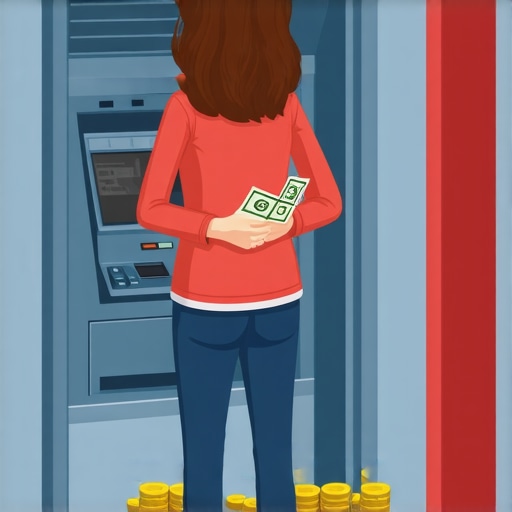
The ‘Saturday-Morning’ Habit That Found Us $300 in Hidden Fees
I vividly remember that Saturday morning when I poured myself a second cup of coffee and realized I had been tricked into paying over $300 in hidden fees—fees I never even saw coming. The frustration hit me like a tidal wave, and in that moment, I knew I had to get a handle on my finances before they managed me instead of the other way around. This lightbulb moment pushed me to dig deep into my credit and debt habits, unravel hidden charges, and discover strategies that could safeguard others from falling into the same trap.
How a Simple Weekend Routine Could Cost You Thousands
Understanding where our money leaks out often happens during those quiet, reflective weekend mornings. We think we’re in control, but often, small, overlooked charges accumulate over time—especially hidden fees buried in bills, subscriptions, or financial products. In my case, it was a mix of sneaky bank charges, outdated billing cycles, and overlooked service fees that added up to $300 within a few months.
What struck me most was how easily I’d been blindsided. I had made the classic mistake early on: ignoring detailed statements and trusting generic bill summaries. That’s a mistake many make, unknowingly paying extra due to lack of awareness. As I dived into the details, I uncovered tactics to identify, challenge, and eliminate such hidden fees—some you can see on your statements, others require a more meticulous review.
If you’re asking yourself, “Could I be unknowingly paying for hidden fees too?” then you’re not alone. This realization sparked my journey toward financial clarity and a better credit profile. And I want to help you avoid falling into the trap I did.
Is It Really Worth the Hassle or Are These Fees Just Small Changes?
Early on, I wondered: Is spending time dissecting my bills worth a few hundred dollars? The answer was an emphatic yes. Because I learned that small, seemingly insignificant charges can snowball into hefty sums—especially when compounded by interest and late fees. According to a study by the Consumer Financial Protection Bureau, Americans paid an average of $300 annually in fees related to unpaid or hidden charges.
My early mistake was trusting that my bills were straightforward. That’s a rookie error I want you to avoid. Instead, I recommend adopting a proactive approach. Review your statements carefully, challenge any ambiguous fees, and learn the art of dispute—discovering how to spot errors and eliminate unnecessary costs.
If this sounds familiar, and you’re tired of paying hidden fees that drain your finances, stay tuned. I’ll walk you through the step-by-step process to clean up your bills, boost your credit, and gain more control over your money.
Ready to take action? Let’s begin with how to audit your current bills effectively and spot those sneaky charges before they steal more from your pockets. And if you want to learn more about managing and repairing your credit efficiently, check out [this comprehensive guide on credit repair](https://counselcredits.com/how-to-repair-credit-fast-essential-tips-for-better-scores) for practical tips.
Start with a Detailed Bill Audit
My first practical move involved gathering all my recent credit card statements, loan disclosures, and bills. I set aside an hour to review each line item meticulously. I looked for suspicious fees, duplicate charges, or anything that seemed out of place—much like peeling back layers of an onion. One month, I noticed a recurring service fee I had unknowingly signed up for but never used. To stay organized, I used a simple spreadsheet, noting charges that looked questionable.
Spot Hidden Fees Fast
During my audit, I found a bank fee I didn’t recognize, which turned out to be an outdated overdraft charge. I immediately contacted the bank, challenging the fee. Using the [dispute process](https://counselcredits.com/how-to-repair-credit-fast-essential-tips-for-better-scores), I successfully had it removed. The key here is to be persistent and exact—don’t settle for vague explanations. Think of it as being a detective, hunting down every dollar you’re owed or falsely charged.
Dispute Errors, Don’t Accept Them
Next, I tackled inaccuracies on my credit report. I pulled my report from [Annual Credit Report](https://counselcredits.com/privacy-policy), and examined every account. I identified an old, closed account marked as delinquent, which was dragging my score down. I initiated a dispute online, using the [evidence-first approach](https://counselcredits.com/effective-credit-repair-tips-to-boost-your-score-today), attaching proof that the account was settled years ago. Within weeks, the mistake was corrected, boosting my credit score.
Use the Validation Process to Challenge Collections
If you encounter collections, don’t assume they’re valid. Send a debt validation letter, requesting proof of the debt. This is especially effective with zombie debts or old accounts that might be inaccurately reported. Use templates from trusted guides and keep copies of all correspondence. This process is like pressing ‘pause’—it freezes their ability to pursue legal action until they prove the debt exists.
Prioritize Debt Repayment Strategically
Once errors were addressed, I shifted to managing my debts. I adopted the snowball method—paying off small balances first—so I could gain momentum. For example, I targeted a credit card balance of $200 with a high-interest rate, paying more than the minimum each month. This created psychological wins and freed up more cash to tackle larger debts later. For more advanced techniques, check out [debt management secrets](https://counselcredits.com/debt-management-secrets-tackle-debt-before-it-takes-over).
Negotiate for Pay-for-Delete Agreements
If you’re dealing with collections, consider negotiating a pay-for-delete deal. Offer to settle for a reduced amount if they agree to remove the collection from your report. Remember, always get agreements in writing before making payments. This tactic can substantially boost your credit score once the account is officially marked as paid and deleted.
Build and Rebuild Your Credit Authority
Establishing new credit lines responsibly can repair damage. Start with secured credit cards or become an authorized user on a trusted family member’s account. Make small, consistent payments to demonstrate reliability. Over time, this builds a strong credit history that lenders will see as stability. For structured guidance, explore [proven strategies](https://counselcredits.com/mastering-credit-building-proven-strategies-for-a-strong-financial-future) tailored for beginners and seasoned borrowers alike.
Maintain Good Habits and Monitor Regularly
Set up monthly reminders to check your credit report and bank statements. Use free apps or services to keep tabs on your progress. This ongoing vigilance helps catch errors early and prevent new negative marks. Remember, credit health is a marathon, not a sprint. Consistent monitoring and responsible behavior will yield long-term gains, avoiding the pitfalls of neglect or impulsive spending.
Many believe that credit repair is simply about paying off old debts or disputing errors on their credit report, but the reality involves nuanced strategies and common pitfalls that can undermine your efforts. For instance, a widespread myth suggests that paying off collections automatically boosts your score. However, if you settle or pay in full without understanding the validation process, you might not see the improvement you expect. Experts warn that some collectors may even reappear or remain on your report if not properly disputed, leading to wasted time and effort. Additionally, many overlook the importance of the credit mix and utilization ratios—factors that have a significant impact on your credit score but are often misunderstood or ignored by novices.
One advanced mistake is neglecting to monitor changes during credit building, such as how authorized user status influences your score over time. Joining a family member’s secured account can be beneficial if managed correctly, but it requires ongoing oversight to prevent negative impacts or premature account closures. Studies indicate that a proactive approach to managing these facets leads to better long-term results, emphasizing the importance of tailored strategies over generic advice.
For those still under the misconception that debt management plans (DMPs) are a quick fix or harm their credit, the truth is more complex. Well-structured DMPs, when implemented with professional guidance, can actually improve your credit health by reducing high-interest debt and preventing late payments. It’s essential to approach debt management as a strategic, long-term process rather than a quick solution.
Beware of the trap of relying solely on debt consolidation loans to erase debt. If not carefully planned, they might extend your repayment period or increase total interest paid, particularly if your credit score isn’t strong enough to secure favorable terms. Read more about effective strategies at [debt management secrets](https://counselcredits.com/debt-management-secrets-tackle-debt-before-it-takes-over).
Ever fallen into this trap of oversimplifying credit repair? Share your experience in the comments, and remember—deep understanding and strategic action, rather than quick fixes, pave the way to lasting financial health.Achieving a good credit score requires consistent effort and the right tools to keep your progress on track. One essential tool I personally use is a comprehensive credit monitoring service like Credit Karma or Experian. These platforms provide real-time updates on your credit report, alerting me to any changes or potential errors immediately, which helps me stay proactive. I also rely on a secure budgeting app such as YNAB (You Need A Budget), which allows me to set specific savings goals and track my expenditures meticulously, ensuring I avoid unnecessary debt that could harm my credit in the long run. For managing debt repayment strategies effectively, I use spreadsheet templates that help prioritize payments and visualize debt payoff timelines, making complex data manageable and actionable.
Staying organized is crucial, so I recommend integrating tools that sync with your bank accounts and credit cards to automatically categorize expenses. This automation reduces the risk of oversight and ensures you’re consistently maintaining healthy utilization ratios, a key factor in credit scores. Furthermore, subscribing to a financial newsletter or following blogs that focus on credit tips. For example, Credit Building Hacks offers advanced strategies that keep me informed about the latest techniques.
Looking ahead, I believe the trend will move toward even more personalized financial dashboards, integrating AI to give tailored advice based on real-time financial behavior. The future of credit maintenance might include predictive analytics warning you about potential score dips before they happen.
If you’re serious about keeping your credit healthy long-term, I suggest adopting a regular review schedule with a combination of monitoring services and custom spreadsheets. This habit ensures continuous progress and helps identify issues early.
**How do I maintain my credit health over time?** Start by setting up automatic alerts for any changes to your report. Regularly reviewing your credit report for inaccuracies, and making small adjustments to your financial habits based on data insights, will keep your score climbing steadily. Try testing the advanced tip of setting personalized alerts through a service like Experian or TransUnion—it can catch errors or suspicious activities before they impact your score. Incorporate these tools into your routine, and you’ll build resilience against credit downturns while maintaining the momentum toward your financial goals.
What I Wish I Knew About Credit Repair Before Hitting My Breaking Point
The most profound lesson I learned was that perseverance beats quick fixes. Early in my journey, I believed that disputing a few errors would instantly boost my score, but I discovered lasting change requires consistent effort and strategic planning. I also realized that trusting agencies without verifying their methods often leads to wasted time and money, highlighting the importance of educating myself with trusted resources like The Ultimate Credit Repair Blueprint for 2025.
Another lightbulb moment was understanding that not all debts are equal—prioritizing high-interest accounts for repayment accelerates improvement and saves money in the long run. Sometimes, small actions such as reviewing your credit report regularly can prevent minor issues from snowballing into significant setbacks, reinforcing the value of ongoing vigilance.
My Secret Weapons for Building a Bulletproof Credit Profile
Over time, I curated a toolkit that made credit management more manageable and effective. I trust services like Credit Building Hacks because they provide up-to-date strategies tailored to real-world scenarios, helping me adapt my approach based on current market conditions. Additionally, Step-by-step guides for new borrowers have been invaluable for establishing solid credit habits from scratch.
My favorite resource remains ongoing monitoring through platforms like Trusted Credit Reports, which keep me aware of changes and ensure I catch discrepancies early. All these tools support my goal of maintaining a healthy credit profile and reaching my financial milestones.
Why You Need to Start Today and Not Wait for the Perfect Moment
The most empowering realization I gained is that there’s no better time than now to improve your credit. Every day you delay is a dollar lost to hidden fees, high interest, or missed opportunities. Taking small, deliberate steps can lead to significant gains over time—like cleaning out your financial closet, one item at a time. Financial freedom isn’t reserved for a select few; it’s achievable through consistent effort and leveraging the right resources.
So, I challenge you—what’s one small action you can take today to better your credit? Whether it’s pulling your report, disputing a mistake, or setting a budget, start now. Remember, your future self will thank you for the courage to begin. Ready to take the first step? Share your plans below or ask questions; I’m here to help guide you every step of the way.
,