How to Buy a Used Car with a 580 Credit Score
It was a chilly Saturday morning when I realized my old car was no longer reliable. Service appointments turned into costly repairs, and I knew I had to find a solution fast. The problem? My credit score was sitting at a less-than-glamorous 580, making the idea of financing a decent used car feel like a long shot. I remember feeling that gnawing frustration, thinking, “Is there any way I can make this happen?”
Why Buying a Used Car with a 580 Credit Score Feels Like a Mountain to Climb
Having a credit score of 580 isn’t a full stop, but it certainly feels like one, especially when you’re staring down the barrel of a big purchase like a used car. I’ve been there — believe me, I know the sting of being turned away or offered sky-high interest rates that make your head spin. The truth is, many people with similar scores think they’ve got no shot at affordable financing, but that’s a myth I’ve busted myself.
What really matters is understanding how lenders view your credit and what steps you can take to improve your chances — even with a score below 600. For example, I learned that by highlighting positive payment history and demonstrating stability, I could unlock options I hadn’t thought possible. It’s not just about luck; it’s about strategy.
So, if you’re stuck wondering whether you can buy a used car with a 580 credit score, I’m here to tell you there’s hope. Today, I’m going to guide you through practical, proven steps that can boost your confidence and your chances of driving away in a vehicle you love — without the nightmare interest rates.
Is Your Credit Score Really the End of the Road?
Early on, I made the mistake of believing that my score defined my entire financial future. I thought, “Forget it, I’ll never get good financing.” Turns out, I was wrong. I overlooked strategies like building a strong down payment or considering buy here pay here dealerships that cater to lenders who care about more than just your score. According to a recent study, understanding the nuances of credit scores can significantly impact the offers you receive. (You can check out some effective credit building hacks to fast-track your credit score [here](https://counselcredits.com/credit-building-hacks-fast-track-your-credit-score).)
So, are you facing a similar dilemma? If so, keep reading. We’re about to dive into the exact steps to turn a not-so-great credit score into your advantage. Ready to reclaim your financial power? Let’s get started.
Start with a Clear Credit Building Plan
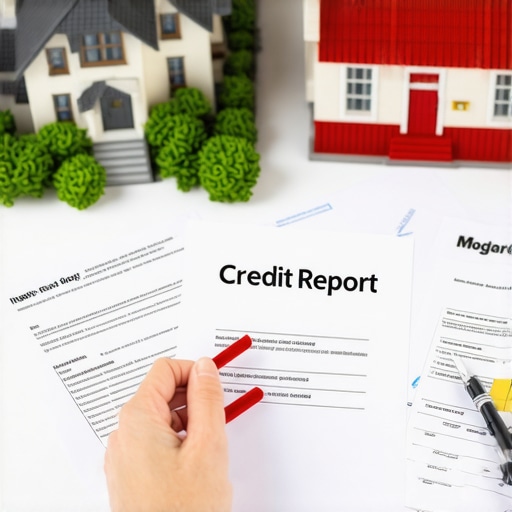
First, assess your current credit status by pulling your credit report. Look for any errors, outdated information, or negative marks that can be disputed or remedied. I personally discovered an incorrect late payment labeled from three years ago; disputing it with the credit bureaus instantly boosted my score by points I didn’t expect. Dive into effective techniques like those detailed here. Creating a targeted plan ensures your efforts are strategic and measurable.
Build Positive Payment History relentlessly
Consistent on-time payments are the foundation of a good credit score. Set up automatic payments for your bills, including utilities and rent, which are often overlooked but are vital for your credit profile. I recommend leveraging small secured credit cards, which report your activity to bureaus and help establish a pattern of reliability. Using a secured card responsibly can be likened to training a muscle; the more controlled reps you do, the stronger your credit becomes. Find out how to optimize secured card use here.
Manipulate Your Utilization Advantageively
Your credit utilization ratio — the percentage of available credit used — significantly impacts your score. Keep it below 30%, and ideally under 10%. For example, I kept my credit card balances under $300 while having a limit of $3,000, which visibly improved my score in just a few months. A clever strategy I adopted was to time my statement closing dates to report low balances, a trick explained thoroughly in the statement date manipulation guide. This tactic is like hitting the “refresh” button on your score.
Demonstrate Long-term Stability
Open a new savings or checking account and maintain it for several months. Banks and lenders like to see stability; it’s like showing you’ve planted roots. Combining this with a history of low credit utilization and regular, on-time payments paints a picture of a responsible borrower, even if your score isn’t perfect. I personally kept my accounts active and avoided closing old credit lines, as closing accounts can sometimes reduce your overall length of credit history, which negatively impacts your score. Read more about maintaining healthy credit habits here.
Many believe that credit repair is just about disputing errors or paying down debt, but the truth runs much deeper. A common misconception is that quick fixes like debt settlement or rapid credit repair strategies can deliver lasting results. However, according to financial experts, these approaches often overlook critical nuances, leading to short-term gains but long-term setbacks. For example, aggressive debt settlement might permanently damage your credit score and make future lending more difficult. Instead, an effective strategy involves comprehensive planning and understanding the subtle mechanics behind credit scoring systems.
One trap many fall into is believing that closing old accounts will instantly boost their score. On the contrary, closing longstanding accounts can reduce your credit history length, negatively impacting your score. It’s essential to maintain aged accounts, as they demonstrate stability and creditworthiness over time. Additionally, some assume that paying off collections will automatically improve their score, but in reality, the effect varies depending on the type of collection and reporting practices. Doing thorough research or consulting reputable sources, like here, can help you understand how to navigate these complex factors.
Why Do Some Credit Repair Tactics Backfire Even When You Follow the Rules?
Advanced credit repair requires attention to detail and understanding of the scoring models. For instance, disputing accurate negative information, such as timely late payments reported correctly, will not help and might even harm your efforts if not handled properly. Also, rebuilding credit involves more than just paying bills; it’s about diversifying credit types, managing utilization ratios, and demonstrating persistent financial responsibility. Experts warn that focusing solely on one aspect, like increasing credit limits without controlling spending, might lead to higher debt levels and worse scores in the long run.
Moreover, some believe that applying for multiple new credit accounts simultaneously will speed up their score improvement. In reality, multiple inquiries in a short period can lower your score temporarily and signal risk to lenders. Recognizing these nuances is vital for crafting a sustainable credit recovery plan.
If you’ve ever fallen into any of these traps, you’re not alone. Many novices stumble here because they focus on surface-level tactics rather than understanding the intricate dance of credit scoring. Remember, patience and strategy trump shortcuts. For a detailed blueprint, check out this comprehensive guide.
Would you like to learn the advanced techniques that truly make a difference? Feel free to explore reputable resources or consult with credit experts to customize your approach. The path to better credit is less about quick fixes and more about mastering subtle, impactful habits. Have you ever fallen into this trap? Let me know in the comments.
Tools That Keep Your Credit Progress Moving Forward
Maintaining a healthy credit profile over time requires more than just initial efforts; it calls for reliable tools that help you stay organized, monitor changes, and identify opportunities for improvement. Personally, I rely heavily on a few digital resources that have proven their worth in my journey towards better credit. One standout is Credit Karma, which offers free, real-time updates on your credit scores and the detailed factors affecting them. Regularly reviewing your scores helps catch any inaccuracies early and keeps you motivated to stick with your plan.
Another essential tool I use is the credit monitoring service suggested here. It provides alerts for new inquiries and changes to your credit report, allowing me to respond swiftly if anything unexpected occurs. This immediate feedback loop is crucial to avoiding pitfalls and maintaining steady progress.
For managing debt and payment schedules, I highly recommend using Personal Capital. Not only does it sync with my bank accounts to give a comprehensive overview, but it also helps me plan my debt payoff strategies. Seeing my debt reduction trajectory visualized keeps me accountable and motivated to maintain timely payments.
Automating Success for Long-Term Results
Automation is your best friend here. Setting up automatic payments for your bills ensures on-time payment history, which is the cornerstone of good credit health. Moreover, automating small contributions to a dedicated savings account can bolster your overall financial stability, making it easier to handle unexpected expenses without derailing your credit efforts.
In addition, leveraging tools that help you manage your utilization rate—like redistributing available credit or timing balance payments—can significantly boost your scores. For example, scheduling payments just before your statement date can keep your reported balances low, a trick I regularly practice and recommend. This method here is backed by experts and can be a game changer.
Running a Long-Term Maintenance Routine
Beyond tools, establishing a disciplined routine helps ensure sustained progress. Check your credit report at least once a quarter—use this guide for strategies to dispute inaccuracies quickly. Keep your credit utilization under 30%, ideally below 10%, by paying balances early or making multiple payments during the billing cycle. Maintaining old accounts, especially those with a long history, plays a critical role in boosting your score over time.
Never neglect your soft skills, like resisting unnecessary credit inquiries or closing accounts prematurely. These habits impact your score far more than most realize. Stay disciplined by setting reminders or automating payments and balances. Experts predict the trend of integrated, AI-enabled financial management tools becoming more sophisticated, offering even smarter ways to keep your credit in check—so staying current with technology ensures long-term benefits.
How do I keep my credit growing effectively over time?
The key is combining the right tools with consistent, strategic habits. Use comprehensive monitoring apps, automate payments, and stay vigilant about your credit report. Regularly review and adjust your strategies, considering new tools and techniques as they emerge. For instance, exploring advanced methods such as leveraging secured credit cards effectively can be a game changer. Try implementing a scheduled balance payment system this month—it’s a small step that can produce long-term gains.
What I Wish I’d Known About Credit Repair’s Silent Pitfalls
Early in my journey, I believed quick fixes like closing old accounts or disputing every negative item would boost my score fast. Turns out, these common beliefs can backfire, sometimes damaging your credit more than helping. The real lesson? Patience and understanding the subtle impacts of your decisions matter more than shortcuts.
Another lightbulb moment was realizing that a high credit limit on a card isn’t always a sign of strength—sometimes, it can tempt overspending if not managed carefully. True progress comes from responsible habits, not just favorable numbers. These insights helped me craft a strategy that prioritized long-term stability over fleeting gains.
Finally, I learned that focusing solely on credit scores can distract from the bigger picture: establishing genuine financial health. Building an emergency fund, controlling debt, and maintaining consistent income are the real foundations of creditworthiness. This holistic approach transformed my view and results.
My Arsenal of Trusted Resources for Lasting Financial Growth
I’ve relied heavily on this comprehensive guide for effective credit-building techniques—it’s packed with actionable tips that demystify complex credit dynamics.
For monitoring, this service offers real-time updates and alerts, allowing me to respond swiftly to changes or errors, keeping my credit report accurate and current.
In debt management, these proven strategies have helped me prioritize debts efficiently, avoiding the common pitfall of paying more interest without a clear plan.
Lastly, I trust this detailed blueprint for its depth and clarity. It dives into the nuanced mechanics of credit scoring and repairs, equipping me with knowledge to make informed decisions confidently.
Seize Your Credit Growth—Start Today
Building or repairing credit isn’t just a task; it’s a journey toward financial freedom. Remember, every small, intentional step you take paves the way for a more secure future. Don’t wait for perfect conditions—begin with what you can control now, like checking your report and making consistent payments. Your best credit story is still ahead.
What’s the first step you plan to take today to strengthen your credit profile? Share your thoughts below—I’d love to hear your plan!