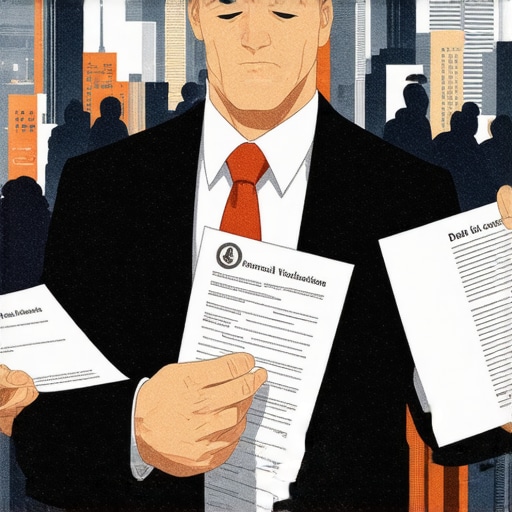
The Real Reason Your Dispute Letter Got a Standard Form Response
You send off a detailed dispute letter, hoping to clear up errors on your credit report, only to receive a standard form response that feels cold and dismissive. I remember the frustration glaring in my inbox—every time, it seemed like my efforts were met with boilerplate replies, making me wonder if my efforts were even worth it. That lightbulb moment hit me hard: I was missing a critical piece of the puzzle.
Why Your Dispute Letter Often Gets Ignored (And What to Do About It)
It’s tempting to think that sending a dispute letter is enough—after all, you’re asserting your rights under the Fair Credit Reporting Act. But here’s the truth: many dispute responses are boilerplate, not because your claim is invalid, but because the way you communicate can inadvertently trigger rejection. Early in my journey, I made the mistake of assuming that a well-written letter was all I needed. Turns out, the industry has become quite sophisticated at filtering out what they see as ‘less credible’ disputes.
All too often, credit bureaus rely on automated systems that sift through thousands of disputes, flagging those that don’t meet specific criteria. If your letter lacks proper structure or doesn’t include key elements, it may fall into the ‘routine response’ pile. This oversight left me stranded until I learned that not just what you say, but how you say it, makes all the difference.
According to a report from the Federal Trade Commission, around 20% of consumer credit reports contain errors, yet many consumers don’t effectively challenge these inaccuracies because their dispute tactics are misaligned with industry expectations. That statistic shocked me—it means a significant chunk of credit issues go unresolved simply because consumers aren’t filing their disputes correctly.
Have you ever faced this problem—sending a dispute and never getting the results you expected? If yes, you’re not alone, and there’s a better way.
In the next sections, I’ll guide you through concrete steps to craft dispute letters that stand out, get read, and, most importantly, get the results you deserve. Better credit is within your reach once you understand the nuances of effective disputing strategies. Ready to move beyond generic responses? Let’s dive in.
Gather Your Evidence Before You Write
Start by collecting all supporting documents, such as payment records, bank statements, or correspondence that prove your claim. Think of this step as assembling the building blocks of a strong case—without evidence, your dispute may lack credibility. I once spent an afternoon digging through old emails and bank alerts to verify a late payment mistake on my report. That documentation became my primary evidence when I drafted my dispute letter, which significantly increased my chances of success.
Use Clear and Concise Language
When drafting your dispute, be direct. Clearly specify the item you’re challenging, explain why it’s incorrect, and include your supporting evidence. Imagine trying to convince a stubborn landlord—cutting out ambiguity makes your case stronger. I learned this the hard way when vague letters resulted in delayed responses. Precise language cut through the noise and prompted faster action from the credit bureau.
Follow Industry Formatting Standards
Ensure your dispute letter includes your personal information, report item details, and request for investigation, formatted according to industry best practices. Think of it as speaking their language—credit bureaus process thousands of disputes, and well-structured letters get priority. To streamline this, I adopted a template from credit repair guides, customizing it with my details, which made my disputes appear more professional and credible.
Leverage Certified Mail for Delivery
Send your dispute via certified mail with a return receipt request. This gives you proof that your letter was received and timestamps your effort. It’s like sending a registered package—highly recommended for serious claims. When I used certified mail for my first dispute, I gained leverage during follow-up, knowing exactly when my claim was officially received, which pushed the credit bureau to prioritize my case.
Follow Up Thoughtfully and Persistently
If you don’t receive a response within 30 days, follow up with a polite inquiry. Persistence pays off—think of it as a gentle reminder rather than pestering. In one case, I sent a follow-up letter citing the original date of submission, referencing industry standards, which prompted a swift investigation. Keep records of all correspondence to maintain your case’s integrity.
Stay Informed About Your Rights
Understanding your rights under the Fair Credit Reporting Act empowers you to craft disputes that are not just well-written, but legally sound. It’s like knowing the rules of a game—you’re better prepared to win. I periodically reviewed resources like credit repair tips to stay updated, which helped me refine my dispute strategies and avoid common pitfalls.
Many people assume that enrolling in credit counseling or debt management plans guarantees quick financial recovery, but the reality is more nuanced. A prevalent myth is that all credit counseling agencies operate transparently and solely aim to help consumers—not so fast. Some agencies, especially those lacking proper accreditation, can push debt management programs that may not align with your long-term goals, sometimes even leading to increased total interest payments or damaged credit scores. It’s vital to scrutinize the credibility of these services by checking reviews and verifying their compliance with industry standards, like those outlined in their privacy policies. Often, consumers miss the subtlety that some plans involve consolidating debts at higher interest rates, undermining the supposed benefit of lower monthly payments. Therefore, understanding the fine print and the true costs involved can save you from regrettable decisions.
A common misconception revolves around credit repair services promising fast results through quick disputes or unethical practices. In reality, the most sustainable improvement comes from consistent, strategic actions such as correcting inaccuracies, reducing revolving balances, and building positive credit history—methods discussed in effective credit repair tips. Beware of services that guarantee rapid scores boosts; often, they employ questionable tactics that can lead to future disputes or even legal issues.
Understanding credit building involves strategic patience. Some believe opening multiple new credit accounts rapidly will boost scores; however, this can trigger hard inquiries and seem risky to lenders, potentially lowering your score instead. Instead, incremental and responsible credit usage—such as maintaining low balances and paying on time—yields long-term benefits, a nuanced approach explained in credit building strategies.
Let’s discuss the hidden intricacy of credit reporting timelines. Many consumers don’t realize that late payments or account closures might not immediately reflect in their reports; items can stay visible for up to seven years. Misinterpreting these delays can lead to unnecessary disputes or misjudged debt statuses. Being patient and understanding the reporting cycles can help you plan your credit actions more effectively.
Another trap to avoid is the over-reliance on debt consolidation loans. While they can lower monthly payments, they might also extend your repayment period and increase total interest, especially if not managed carefully. It’s essential to evaluate whether consolidating effectively aligns with your repayment capacity, a nuance better understood through a detailed financial analysis, similar to what’s outlined in debt management best practices.
In essence, mastering credit health requires not just following popular advice but understanding these subtleties. Always question mainstream narratives, analyze the true costs, and pursue strategies tailored to your unique financial situation. Have you ever fallen into this trap? Let me know in the comments and share your experiences.
Invest in Reliable Software for Credit Monitoring
Over the years, I’ve found that using dedicated credit monitoring tools like Experian’s CreditWorks or MyFICO has been vital in maintaining an accurate view of my credit profile. These platforms offer real-time updates and detailed insights, helping me spot changes or errors immediately. Personally, I prefer Experian’s service because it provides contextual alerts—such as sudden drops in scores or new inquiries—that prompt quick action. Regularly checking your report, ideally weekly, prevents surprises and ensures that any fraudulent activity or inaccuracies are caught early.
Automate Debt Payments and Alerts
Timely payments are foundational for score stability and improvement. I recommend setting up automatic payments through your bank or lender to avoid missing due dates, which can harm your credit. Additionally, I utilize reminder apps that notify me a few days before a payment is due, giving me extra assurance. This proactive approach not only prevents late fees but also keeps your credit history clean, reflecting responsible behavior—a key factor in credit scoring models. For those working towards a better credit mix, automating the repayment of different account types ensures consistent positive activity across your portfolio.
Maintain Organized Records of Disputes and Correspondence
Keeping meticulous records of your dispute process—comprising copies of letters, proof of delivery, and follow-up notes—has proved invaluable. I store all correspondence securely, whether digitally or physically, and make a habit of logging interactions. When facing an unresolved dispute or suspicious activity, having a detailed record accelerates the resolution process and adds credibility to your claims. This practice aligns with industry best practices outlined in credit management tips.
How do I keep my credit building efforts sustainable over time?
Yet, the key to long-term success isn’t just in using the right tools but in developing habits that promote ongoing credit health. Regularly reviewing your reports, adjusting your credit utilization, and staying disciplined with payments are part of a sustainable strategy. As credit trends evolve, so should your methods—consider exploring new tools like credit building techniques that adapt to the changing landscape. Adopting these practices ensures your progress isn’t jeopardized by complacency or neglect.
Tip: Make it a monthly ritual to review your credit summary and update your strategies accordingly. It’s a small investment of time that yields significant long-term results. Remember, maintaining good credit is a continuous journey, not a one-time effort.
3 Lessons That Changed My Entire Credit Strategy
One of the toughest truths I uncovered was that not all disputes are created equal—sending a well-crafted letter is just part of the puzzle. I realized that industry insiders know how to filter out simpler claims, which meant I had to become more sophisticated in my approach. Additionally, I learned that patience and persistence often outpace quick fixes—credit repair is a marathon, not a sprint. Lastly, I discovered that educating myself on my rights under the Fair Credit Reporting Act empowered me to stand my ground and demand accurate reporting, turning passive frustration into proactive success.
Resources That Shaped My Approach to Credit Building
My journey was guided by tools and sources I trust deeply. Mastering credit building strategies offered proven methods that turned complex concepts into actionable steps, helping me see tangible progress. The credit counseling secrets provided insights into navigating debt options responsibly, which I found invaluable. For ongoing monitoring, I rely on reputable platforms like effective credit repair tips, ensuring I stay informed about changes in my credit profile. These resources together form a toolkit that keeps me in control of my credit fate.
Keep Moving Forward: Your Credit Power Awaits
Building and repairing credit is a continuous process—a journey filled with growth and learning. Remember, every small step you take adds up over time, and with the right knowledge, tools, and perseverance, you can unlock financial stability. Don’t shy away from challenging misconceptions or facing complex issues head-on. Your credit health is worth the effort, and the reward is a future where opportunities are within your reach. Are you ready to take the next step in your credit journey? Share your experience or questions below, and let’s grow together.