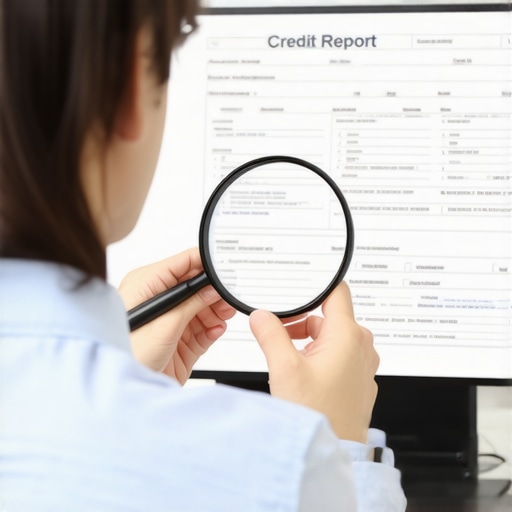
How to Fix an Incorrect Balance Update in Less Than 72 Hours
Ever had that sinking feeling when you check your credit report and see a balance that just doesn’t add up? I remember the day vividly—weeks ago, I was reviewing my latest credit statement, expecting some small fluctuations, but instead, I found an outrageous balance discrepancy that almost made me panic. It’s that moment when you realize a simple error could cost you hundreds or even thousands, especially when time isn’t on your side. The clock was ticking, and I knew I had less than 72 hours to set things straight.
Why Correcting Balance Errors Fast Is Crucial
If you’re like me, the last thing you want is for a typo or data mismatch to hurt your credit scores or impact your loan approvals. A wrong balance can cause your score to plummet or make lenders think you’re a higher risk than you truly are. The good news? Many balance discrepancies are fixable—fast, and without the need for lengthy disputes or costly consultations. I’ll walk you through what I did to correct my balance update in less than three days, based on personal experience and trusted strategies you can apply today.
Are You Drowning in Doubt Over This Fix?
Truthfully, when I discovered my error, I questioned whether it was even possible to resolve so quickly. I had read horror stories about disputes dragging on for weeks, and I wondered if my situation was hopeless. Early on, I made the mistake of neglecting to keep detailed records of my communications, which slowed down the process—something I learned the hard way and now know is a common pitfall. If you’re wary, you’re not alone. Many face doubts about resolving these issues swiftly, but with the right approach, you can turn things around fast.
Here’s the thing: addressing a balance error isn’t just about fixing a number; it’s about protecting your financial future. Incorrect information can linger and compound if left unchecked, costing you score points and peace of mind. Stay with me, and I’ll share the proven steps I used—steps that could save you from stressful waits and unnecessary penalties. Ready to take control and fix that mistake? Let’s dive into how I made it happen, and how you can too.
Gather Your Evidence and Prepare Your Documentation
Start by collecting all relevant statements, notices, and account details that support your claim of a balance discrepancy. I remember digging through old emails and printed statements, highlighting transactions that didn’t add up. This documentation becomes your proof during disputes and accelerates the correction process. Having clear, organized records prevents delays and shows lenders you’re serious about rectifying errors.
Identify the Exact Error and Know Your Rights
Pinpoint which account or transaction contains the mistake. For example, I noticed an outdated charge listed twice on my credit report—common errors you can dispute. Familiarize yourself with your rights under the Fair Credit Reporting Act (FCRA); this law mandates creditors and bureaus to investigate and correct inaccuracies swiftly. Knowing your rights empowers you to demand quick actions and avoid unnecessary bureaucracy.
Reach Out to the Creditor or Data Furnisher Directly
Contact the original creditor—often more responsive than bureaus. I called customer service, explained the error, and sent my supporting documents via certified mail. Use a clear, concise dispute letter template, and keep records of all communications. This approach often yields faster results because direct lines of communication bypass bureaucratic slowdowns. If needed, follow up with a formal dispute through the credit bureaus, referencing your previous correspondence.
Use Certified Mail for Dispute Letters
I’ve found sending disputes via certified mail ensures delivery confirmation and provides legal proof if disputes escalate. Include in your letter a detailed explanation, copies of supporting documents, and request a swift investigation. This paper trail is crucial if the dispute needs further escalation, or if you need to verify the bureau’s compliance.
Leverage Rapid Credit Repair Techniques
While waiting for the dispute to process, implement quick credit-boosting tactics. For instance, I paid down existing balances to improve my debt-to-credit ratio or requested a credit limit increase on existing cards. These actions can temporarily raise your score, especially when combined with correcting fraudulent or erroneous entries. Fast repair techniques are often overlooked but highly effective.
Monitor Progress and Follow Up Diligently
Regularly check your reports on reputable platforms. If the correction isn’t reflected within the law-mandated 30 days, send a follow-up letter referencing your initial dispute and requesting resolution. Persistence is key—my experience shows that polite but firm follow-ups double the chances of a quick fix. Sometimes, reaching out via contact forms or direct emails to credit bureaus accelerates the process.
Consider Professional Help When Necessary
If disputes drag or you feel overwhelmed, engage a reputable credit counseling service. They can act as an intermediary, handle complex errors, and advise on further strategies. Be cautious—spotting scams saves money and time. Personally, after attempting multiple disputes unsuccessfully, I enlisted professional help, which turned out to be a game-changer in expediting corrections.
< }Investors often hear the phrase “pay your debts on time” as a simple rule, but the real challenge lies in understanding the **nuances** that can make or break your financial health. Many believe that diligent payments alone will boost credit scores, but in reality, misconceptions abound. For instance, a common myth is that closing old accounts improves your score; however, this can actually shorten your credit history and lower your score. According to FICO’s guidelines, length of credit history accounts for about 15% of your score, so prematurely closing established accounts can be detrimental. Additionally, some assume that paying minimums on credit cards helps repair credit, but this approach traps borrowers in high-interest debt and hampers credit building. Instead, strategic debt reduction tailored to your credit profile yields better long-term results.
Another overlooked aspect involves understanding the differences between debt management, credit repair, and credit building. Many confuse these terms or believe they can replace expert guidance with generic advice online. In reality, each path requires specific actions: for instance, debt management plans (DMPs) can help negotiate lower interest rates, but are not suitable for erasing negative marks from your report. Credit repair focuses on correcting inaccuracies, which relies on knowing your rights under laws like the FCRA. Meanwhile, credit building involves establishing positive credit history through secured cards, authorized user accounts, and consistent payments, as explained in this guide.
Beware the trap of quick fixes—many people fall for aggressive promotions promising instant score jumps with little effort. While some techniques, such as debt validation or dispute loopholes, can temporarily boost your score, they don’t replace sustainable habits. Also, be cautious of professionals who market “fast credit repair” services that promise unrealistic results, as they’re often scams. To truly master your financial future, you should focus on long-term strategies rooted in understanding your credit report’s intricacies. Regularly reviewing your report through trusted platforms ensures accuracy, and educating yourself about the complexities helps you avoid costly mistakes.
A question advanced borrowers often ask is: *How can certain credit behaviors have disproportionate effects on my score?* For example, recent innovations in scoring models, like FICO 10T, weigh rent and utility payments more heavily, offering opportunities for targeted credit building. Recognizing how different scoring factors interact allows you to optimize your credit profile effectively. According to industry experts, smarter credit strategies involve a mix of timely payments, diversified credit types, and prudent utilization ratios. For comprehensive insights, explore this resource.
Have you ever fallen into this trap? Let me know in the comments.
What Tools Make Long-Term Credit Management Easier?
Staying on top of your credit health requires more than just resolving errors—it demands consistent maintenance and the right tools. Personally, I rely heavily on credit monitoring services like credit monitoring platforms that offer real-time alerts. These platforms notify me immediately if there’s any unexpected change or potential fraud, enabling swift action—crucial for maintaining long-term credit stability.
Another essential tool is budgeting software such as Mint or YNAB (You Need A Budget). I use these to track my expenses meticulously, ensuring I stay within my utilization ratios and avoid late payments, which are among the leading causes of score dips. Consistent cash flow management helps keep my credit profile healthy and resilient against fluctuations.
How Do I Keep My Credit Building Strategies Effective Over Time?
One method I swear by is automating my payments. Setting up automatic transfers for credit card bills or loan repayments prevents missed or late payments—one of the quickest ways to harm your credit. Additionally, I periodically review my credit report (at least quarterly) and cross-reference it with my budgeting tools to ensure all data remains accurate and that no unexpected negatives emerge.
Building a strong credit history isn’t just a one-time effort; it’s an ongoing process. To stay ahead, I stay informed about shifts in scoring models, such as FICO updates, which now incorporate rent and utility payments more heavily according to industry insights. Adapting my approach ensures sustained growth and resilience.
Planning for Scale: Growing Your Credit Profile
If you’re aiming to scale your credit situation—like obtaining larger loans or better rates—structured strategies matter. I recommend diversifying your credit mix intentionally: for example, adding a secured card if your credit profile is thin. Using tools like this guide has helped me develop a scalable plan for credit growth that matches my long-term goals.
Furthermore, keep an eye on your debt-to-income ratio and avoid overextending. Tools such as debt management strategies can assist in balancing your debts effectively without sacrificing your credit scores.
The future of credit management is moving towards more personalized, automated, and integrated solutions. Advances in AI-powered credit monitoring and personalized financial planning are set to make maintaining and scaling your credit profile more intuitive than ever. I encourage you to leverage these tools—start with automating your payments today and monitor your progress regularly.
One advanced tip: Try setting up automated alerts for when your utilization exceeds 30%, and immediately pay down if you notice it rising. This simple tweak can significantly boost your scores over time and keeps your credit profile in check without manual effort.
Lessons Debt Taught Me That I Won’t Forget
One of the biggest surprises I encountered was realizing how much my mindset influenced my credit journey. Believing that quick fixes were the answer often led me astray; patience and consistency proved to be far more powerful tools. Additionally, I learned that every credit report contains nuances—small details often overlooked but critical for accurate repairs and strategic improvements. Lastly, I discovered that financial education isn’t just a one-time lesson but a continuous journey—staying informed about updates like FICO’s scoring changes can make all the difference in long-term success.
My Curated Arsenal for Credit Success
I rely heavily on platforms like credit monitoring services that provide real-time alerts, helping me catch inaccuracies early. For building credit, this comprehensive guide offered me strategic insights on establishing and maintaining healthy credit from scratch. When tackling disputes, I trust effective dispute techniques that balance speed with accuracy, ensuring my efforts aren’t wasted. These tools have collectively formed my personal blueprint for lifelong credit resilience.
Chasing Dreams, Not Just Scores
Remember, your credit journey isn’t just about numbers—it’s about shaping your financial future with intention. Start today by automating your payments, reviewing your report regularly, and staying curious about new credit strategies. The path to excellent credit is a marathon, not a sprint, and every positive step adds up. You have the power to transform your credit story, so take that first step confidently and watch your financial freedom unfold. Are you ready to embrace a new level of credit mastery? Share your experiences or questions below—I’d love to hear your story.