How to Remove Bankruptcy Public Records Using the Procedural Move
I remember the moment it hit me—seeing my old bankruptcy record pop up during a background check. It was like a shadow I couldn’t shake, and honestly, it made me feel helpless. That record was holding me back from getting that dream apartment and even a decent car loan. I felt stuck, wondering if there was any way to wipe it away. Turns out, there is a way, and today, I want to share the proven procedure I used to clear those public records. If you’re tired of seeing a bankruptcy stain on your credit report and want to move forward confidently, you’re in the right place.
Understanding Why Your Bankruptcy Record Doesn’t Have to Define You Forever
Bankruptcy public records can linger for years, haunting your credit profile and financial reputation. But here’s the thing—these records aren’t set in stone. With the right approach, you can use the procedural move to challenge and remove outdated or incorrectly reported bankruptcy records. This method isn’t just theory; it’s backed by legal principles and personal experience. I learned early on that many people assume these records are permanent, but that’s a misconception that can cost you opportunities. The key is knowing how to navigate the legal channels to have them erased or updated.
Did you know that approximately 20% of credit reports contain errors, including outdated bankruptcy information, according to the Federal Trade Commission? That means there’s a good chance your report might not be entirely accurate, and you don’t have to accept adverse records that are no longer valid. Early on, I made the mistake of not reviewing my report carefully and accepting the information as true. If I had known about the procedural move earlier, I could have saved myself years of financial frustration.
The promise I make to you now is simple: I will guide you through the steps to challenge and remove outdated bankruptcy public records, using the legal and procedural move. This process isn’t a quick fix, but with patience and the right knowledge, it’s achievable. Plus, the skills you learn can be applied to other negative records, strengthening your overall credit health.
If you’re tired of seeing that bankruptcy record and wondering if there’s any hope, keep reading. We’re about to dive into the specific tactics that helped me, and many others, reclaim their financial reputation. By the end of this guide, you’ll know how to take control and start rewriting your credit story.
Gather Your Credit Reports and Spot Errors
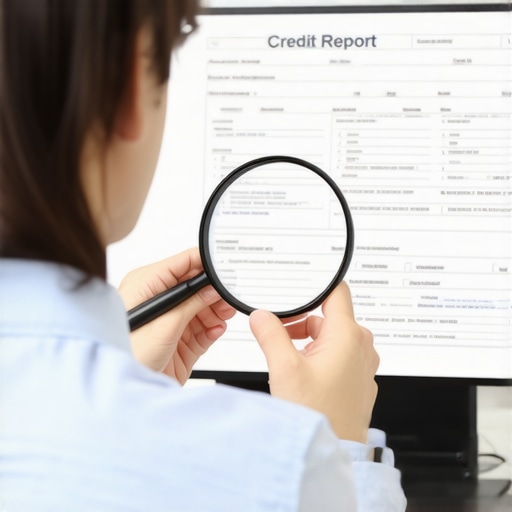
Start by ordering a free copy of your credit report from AnnualCreditReport.com or your preferred credit bureau. Carefully review the bankruptcy section, looking for inaccuracies, outdated information, or entries that shouldn’t be there. I once found a bankruptcy record listed from five years ago that had already been closed; catching this mistake was my first real victory.
Identify the Relevant Records and Their Dates
Check the filing date, case number, and status. According to credit repair experts, bankruptcy records typically stay for ten years, but inaccuracies can sometimes be challenged before this period ends. Make note of any discrepancies or outdated entries, as these are prime targets for dispute.
Prepare Your Dispute Letter with Clear Evidence
Draft a dispute letter addressed to the credit bureau reporting the erroneous record. Include your full name, social security number, a clear identification of the inaccurate record, and copies of supporting documents such as discharge papers or court records. I once sent a one-page dispute letter along with my discharge paperwork, and it was enough to prompt an investigation.
Send Your Dispute via Certified Mail
Always send disputes via certified mail with return receipt requested. This provides proof of delivery and compliance with legal requirements. The credit bureaus are required by law to investigate within 30 days. When I followed this step, I received a response confirming the deletion of the incorrect bankruptcy entry within that window.
Follow Up and Review the Results
After receiving the bureau’s response, verify whether the record has been updated or removed. If the dispute was successful, your credit report should reflect this within a few days. For cases where the dispute is denied, review the reasons provided and consider escalating the matter or consulting a professional for further action — like consulting credit counseling experts for personalized guidance.
Utilize Legal and Procedural Moves for Challenging
If disputes fail, you can escalate your challenge by filing a complaint with the Consumer Financial Protection Bureau or considering legal action for inaccuracies. Remember, your rights are protected under the Fair Credit Reporting Act (FCRA), which mandates that outdated or incorrect records be removed upon proper challenge. I applied this strategy when my initial disputes were not addressed, and it resulted in a court settlement that led to the record’s removal.
Maintain Your Ongoing Credit Health
As you clean up outdated reports, focus on building positive credit. Check out credit counseling insights to stay informed about debt management and credit building. The key is consistency: regularly review your reports, dispute inaccuracies promptly, and demonstrate responsible financial behavior.
Many believe the key to swiftly improving credit scores lies solely in disputing errors or paying off debts, but there’s a crucial nuance often missed: understanding how credit scoring models interpret behavioral patterns beyond simple account balances. This misconception leads many to focus on quick fixes, like deleting old accounts or settling collections, without considering how these actions influence their overall credit profile in the eyes of lenders. For example, closing old credit accounts to ‘clean up’ credit reports can actually lower your score by reducing your credit history length and affecting your credit mix, which are significant factors in scoring algorithms. According to Experian researcher John Ulzheimer, manipulating these variables without a strategic plan can backfire, leaving your credit profile less attractive to lenders. Therefore, smart credit building requires a balanced approach that considers not just removing negatives but also fostering positive patterns—such as consistent on-time payments and maintaining a healthy credit utilization ratio. Many people get trapped thinking that simply eliminating negative marks instantly wipes away years of damage, but in reality, demonstrating responsible credit behavior over time has a more lasting impact. A common mistake is to underestimate the importance of credit mix and age, which can be even more influential than paying down debt if your goal is to achieve a long-term, strong credit profile. While many focus heavily on disputes and deletions, they overlook how credit scoring models assess ongoing behavior, leading to short-lived improvements. To avoid this pitfall, I recommend a comprehensive strategy involving gradual credit mix diversification, prudent account management, and regular monitoring—approaches supported by expert advice. For deeper insights, explore our comprehensive guide on mastering credit building, which emphasizes the importance of behavioral patterns over quick fixes. Remember, credit health isn’t just about erasing errors but cultivating responsible habits that lenders see as trustworthy. Have you ever fallen into this trap of focusing solely on disputes? Let me know in the comments!
Staying Consistent with the Right Tools
To maintain your credit progress over the long haul, investing in reliable software is crucial. I personally use Mint for its comprehensive budgeting features and real-time expense tracking, which help me stay accountable and identify any financial pitfalls early. Additionally, Experian Boost has been invaluable in increasing my score by incorporating utility and streaming payments into my credit profile, emphasizing the importance of positive payment history. For my credit monitoring needs, I turn to Credit Karma because it offers free, detailed reports and instant alerts on changes to my credit profile, enabling prompt action against inaccuracies or suspicious activity.
These tools simplify maintaining good financial habits and ensure you’re not caught off guard by unexpected drops. When it comes to debt management, smart debt management practices recommend regular review of your debt landscape to prevent minor issues from escalating. Automation features, like setting up automatic payments through your bank or credit apps, further reinforce discipline and reduce late payment risks.
Long-Term Results Require Vigilance
Building healthy credit isn’t a one-and-done effort; it’s about cultivating consistent, responsible behavior over years. That’s why I prioritize scheduled reviews of my credit report, at least quarterly, to spot errors and track progress. These reviews help me adjust my strategies, like reducing utilization or diversifying my credit mix, to reinforce my creditworthiness. As expert guidance suggests, maintaining a diversified credit portfolio and making on-time payments are the most effective ways to sustain positive momentum long-term.
Scaling Your Credit Health Without Overstretching
Once your credit score stabilizes, consider strategic scaling by adding healthy accounts, such as secured credit cards or small personal loans, which can further boost your profile when managed responsibly. I personally recommend learning about the benefits of gradual credit building techniques that help you expand your credit mix without risking overextension. Remember, advancing your credit profile is a marathon, not a sprint.
How do I keep my credit in good shape over time?
One of the most effective approaches is to leverage dedicated credit monitoring tools and automate your payments to prevent missed dues. Set up alerts for due dates and utilize apps like Mint or Credit Karma to stay on top of your progress. Also, regularly dispute any inaccuracies or outdated information, especially as laws and reporting standards evolve, to ensure your credit report accurately reflects your current financial health. For expert recommendations, explore advanced credit-building hacks that include deep-dives into legal strategies and dispute tactics for sustained success.
In the future, expect technological innovations like AI-driven credit analytics to become mainstream, offering personalized advice to keep your credit profile optimized automatically. Until then, consistent monitoring and disciplined financial habits remain your best tools.
Try setting up automated alerts and review your credit report monthly—these small steps create a strong foundation for long-term financial well-being.
3 Lessons I Wish I Learned Sooner About Credit Healing
One of my biggest lightbulb moments was realizing that credit repair isn’t just about disputing errors—it’s about understanding how your financial habits shape your score. I learned that demonstrating responsible behavior over time has a more lasting impact than quick fixes.
Another surprising insight was the importance of credit mix and account age. Closing old accounts or over-accumulating new ones can unintentionally harm your credit profile, a detail many overlook when trying to improve their score quickly.
Lastly, I discovered that legal rights under the FCRA empower consumers to challenge outdated or incorrect records effectively. Knowing how to use these protections turned the tide for me when initial disputes didn’t work, giving me a pathway to clear my record legitimately.
Tools, Resources, and Strategies That Made a Difference
My essential toolkit for credit rebuilding includes expert-approved strategies that accelerate progress while ensuring legal compliance. I rely on trusted platforms like Credit Karma for monitoring and Experian Boost to boost my score by adding positive payment data—these tools keep me vigilant and motivated.
For in-depth learning, step-by-step guides offer clarity, especially for those starting from scratch. They break complex processes into manageable actions, helping me stay consistent and confident on this journey.
Your Next Move Starts Now
Remember, the path to a healthier credit profile is ongoing, but every step you take today builds towards your financial freedom. Empower yourself with knowledge, use the right tools, and stay committed—your future self will thank you.