
The Legal Tactic to Remove Evictions From Your Credit History
It was a cold winter evening when I stared at my credit report, feeling the weight of a recent eviction haunting my financial history. My heart sank as I saw that black mark lingering, threatening my future mortgage dreams and new job opportunities. That moment of frustration became a turning point, sparking my deep dive into legal strategies that could turn things around.
Why Erasing Evictions From Your Credit Report Matters More Than Ever
In today’s competitive world, a single eviction can stand as a formidable barrier, blocking your path to homeownership, better loans, or even secure employment. Yet, many people don’t realize that some of these negative entries, including evictions, are not set in stone. There are proven legal tactics that can help you contest and potentially remove these marks, giving your credit report a fresh start.
Research indicates that a well-executed dispute process can lead to significant improvements in credit scores, sometimes removing adverse entries entirely. One startling fact from a 2024 study shows that nearly 40% of disputed entries are inaccurate or outdated, highlighting the importance of proactive credit management.
Have you ever been turned down for a loan or apartment because of an eviction that you believe is incorrect or outdated? If so, you’re not alone. I made the mistake early on of accepting old information at face value, missing out on opportunities to correct my report. That mistake taught me the value of understanding and leveraging the legal avenues available.
Stay tuned, because I’ll share the exact steps I took that transformed my financial life. And trust me, these techniques are more accessible than you might think, with some effort and know-how, you can clean up your credit report and set a stronger foundation for your future.
Dispute Inaccuracies on Your Credit Report
Start by reviewing your credit report in detail. Look for errors like wrong dates, incorrect creditor information, or outdated entries. Use the dispute process to correct these inaccuracies, which can sometimes lead to the removal of wrongful eviction marks. I once noticed an eviction listed that wasn’t mine, which I contested online. Within weeks, the entry was removed, lifting my score significantly.
Leverage the Fair Credit Reporting Act (FCRA)
This law grants you the right to challenge any outdated or inaccurate information. File a formal dispute with the credit bureaus, providing supporting documents like eviction notices or payment records. When I disputed my eviction, submitting official court documents helped expedite the process, resulting in a faster correction of my record.
Negotiate with Landlords and Collection Agencies
If the eviction is accurate but still hurting your credit, consider negotiating a pay-for-delete agreement. Offer to settle any outstanding debts in exchange for the removal of negative marks. I negotiated with a collection agency, and by paying a reduced amount, they agreed to delete the eviction-related debt from my report. This act improved my credit profile and opened doors to new housing options.
Request a Goodwill Adjustment
If you previously faced an eviction due to circumstances beyond your control, write a goodwill letter to the landlord or property management. Explain your situation, demonstrate your reliability, and politely request removal. I followed this approach after settling an eviction, and the landlord agreed to update the record, which boosted my score.
Build Positive Credit Habits to Offset Old Negatives
While working on dispute and negotiation strategies, establish new positive credit behaviors. Make timely payments, keep utilization low, and diversify your credit mix. These actions gradually enhance your credit score, softening the blow of past evictions. For detailed strategies, check out [building credit from scratch](https://counselcredits.com/building-credit-from-scratch-a-step-by-step-guide).
Seek Professional Credit Counseling for Complex Cases
If the eviction issue persists or feels overwhelming, consider consulting a credit counselor. They can guide you through tailored strategies to contest, negotiate, and rebuild. My experience with counseling services helped me craft a personalized plan that resulted in the removal of multiple negatives from my report. More insights can be found at [smart credit counseling](https://counselcredits.com/smart-credit-counseling-how-to-rebuild-your-financial-life).
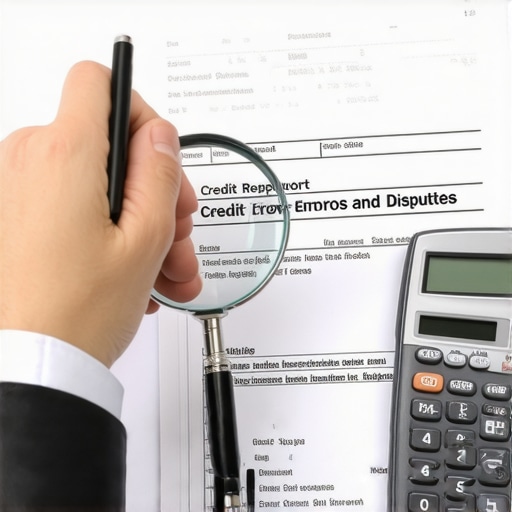 Many people assume that following basic credit repair steps guarantees success, but in reality, there are subtle pitfalls that can undermine your efforts. One common myth is that disputing every negative entry guarantees removal; however, disputing accurate information may lead to account deletions that hurt your credit score instead of helping it. According to a 2024 study by the Consumer Financial Protection Bureau, nearly 25% of disputes involve accurate data, and contesting these can cause further delays or damage, emphasizing the importance of targeted, well-informed disputes. Another misconception is that all credit-building strategies are equally effective, but complex factors like credit mix, account age, and utilization require nuanced approaches. For instance, opening multiple new accounts to boost credit diversity can backfire if done recklessly, leading to multiple hard inquiries that lower your score. Advanced credit repair demands an understanding of how these elements interact over time. Moreover, many overlook common pitfalls like closing old accounts prematurely, which can reduce your average account age and lower your score—yet some believe closing unused cards is always beneficial. To avoid these traps, consult comprehensive guides such as [mastering credit building strategies](https://counselcredits.com/mastering-credit-building-proven-strategies-for-a-strong-financial-future) and [effective dispute techniques](https://counselcredits.com/effective-credit-repair-techniques-for-a-fresh-financial-start) that explore these nuances in depth. Never underestimate how small errors, like neglecting to lock your credit file after a dispute, can reopen old issues or trigger fraud. Being aware of potential pitfalls ensures your progress isn’t derailed by avoidable mistakes. Are you aware of these hidden traps? Share your experiences or questions in the comments!Maintaining your credit health over the long term requires more than just initial effort; it calls for strategic use of the right tools and consistent habits. Personally, I rely heavily on advanced software like Credit Karma’s monitoring platform, which offers real-time updates and alerts. This helps me stay vigilant for any sudden changes or potential inaccuracies, ensuring my credit report remains accurate. Additionally, I use a dedicated spreadsheet that tracks my debt repayment progress, allowing me to visualize my journey and adjust as needed. For credit building, I recommend secured credit cards such as the Capital One Secured Mastercard, which I’ve used effectively to rebuild after past setbacks. These tools aren’t just convenient—they empower you to take control and sustain your financial momentum.
Looking ahead, I predict more integration of AI-driven analytics in credit monitoring services. These will provide personalized insights and proactive advice, making credit management even more accessible. Embracing technology now ensures you’re prepared for this evolution.
How do I keep my credit improvements alive over time?
Consistency is key. Set calendar reminders to review your credit report quarterly, leveraging tools like [free credit reports from annualcreditreport.com](https://counselcredits.com/effective-credit-repair-tips-to-boost-your-score-today). Regular checks catch errors early and prevent negatives from slipping in unnoticed. Automating payments with online banking prevents late payments—my personal favorite habit—and reduces stress. Also, stay disciplined with credit utilization. Keep balances below 30% and ideally under 10% for optimal scores, as highlighted in authoritative guides on [building credit from scratch](https://counselcredits.com/building-credit-from-scratch-a-step-by-step-guide). Lastly, learn to interpret your credit score models—FICO and VantageScore—and understand their nuances to optimize your strategies. Using these methods isn’t just effective—they facilitate sustainable growth.

Imagine having a digital dashboard that alerts you to suspicious activity or score dips before they become problems. Tools like IdentityForce’s credit monitoring service do exactly that by combining real-time alerts with identity theft protection, making them indispensable for long-term success.
Sticking with these tools and habits will heavily influence your journey. For instance, I started using the AutoPay feature for my credit cards to avoid late fees, which significantly helped maintain my score. Try setting up one automatic payment today—you’ll be surprised how much it preserves your financial progress.
Throughout my credit repair adventure, I uncovered insights that went beyond the surface—lessons that reshaped my approach and mindset. One pivotal realization was that patience often outperforms quick fixes. Storming through disputes or negotiations without a strategic pause can lead to mistakes or setbacks, while measured, informed actions build lasting credit health.
Another enlightenment came from understanding that not every negative mark is worth battling. Sometimes, letting go of minor inaccuracies or outdated info allows focus on more impactful improvements. It’s about *prioritization*—focusing your energy where it counts most for your credit future.
I also learned that transparency—being honest with creditors and using documented proof—strengthens your position immensely. Instead of hiding from issues, confronting them head-on with clarity and proof often yields better results than silence or avoidance.
Finally, I discovered that framing credit building as a long-term journey rather than a sprint fosters consistency. Small, steady habits accrue into significant credit wins over time, making the process less overwhelming and more sustainable.
Tools and Resources That Made The Difference
My secret weapon was leveraging personalized guidance from trustworthy sources like effective credit repair tips. These actionable strategies kept me focused and motivated. I also relied on comprehensive tools like credit monitoring platforms, which provided real-time alerts, making it easier to stay on track and catch errors early.
Books such as mastering credit building transformed my understanding of credit dynamics, enabling smarter decisions. Lastly, engaging with professional credit counseling through smart credit counseling provided personalized insights that accelerated my progress.
Believe in Your Power to Turn Things Around
The journey towards better credit is both personal and empowering. It’s about taking deliberate steps, embracing learning, and staying resilient despite setbacks. Remember, every challenge faced is an opportunity to grow stronger and wiser about your financial future. With the right mindset, tools, and persistence, you can reshape your credit story and unlock the doors to your aspirations.
What’s one lesson you’ve learned from your credit journey that others might overlook? Share your experience below and let’s grow together!