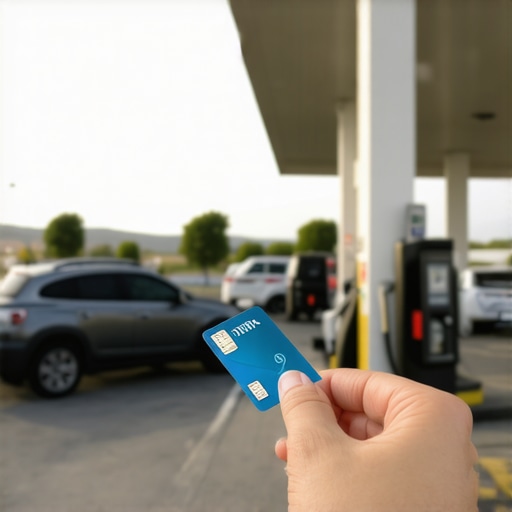
How to Use Gas Cards to Rebuild a Damaged Credit Score
One evening, I sat at my kitchen table, staring at my credit report. The numbers felt like a punch to the gut. My score had plummeted after a string of missteps, and I felt trapped in a cycle of debt and disappointment. I’ve been there—wondering if I’ll ever bounce back from a damaged credit history. That lightbulb moment came when I realized I could leverage something as simple as a gas card to turn things around. It was a game-changer, and I want to share how you can do the same.
Why Gas Cards Might Be Your Secret Weapon to Rebuild Credit
Using gas cards to rebuild a damaged credit score isn’t just a clever hack; it’s a proven strategy. These cards often come with less strict approval criteria, making them accessible even when your credit isn’t perfect. More importantly, responsible use of a gas card demonstrates lenders that you’re capable of managing credit, which can slowly repair your credit profile over time. I learned that consistent, on-time payments—like clockwork—are the backbone of rebuilding trust with creditors. In fact, making small purchases each month and paying them off in full can boost your score steadily. It’s a practical move that many overlook, but it requires patience and discipline.
Could Gas Cards Really Make a Difference?
Initially, I fell into the trap of doubt and skepticism. I worried that applying for another credit card would only hurt my score more or that I’d get stuck in a cycle of debt. Early on, I made the mistake of maxing out my cards without paying attention to the balance-to-limit ratio—an error that can damage your credit more than help. But when I shifted my approach—paying on time, keeping balances low, and using gas cards as a strategic tool—I saw tangible improvements. If you’re feeling overwhelmed by credit repair, remember that small, consistent steps matter more than grand gestures. For a comprehensive guide, check out this step-by-step process on building credit from scratch.
Start with a Clear Credit Goal
Before diving into applying for a gas card, define what you want to achieve. Is your aim to boost your credit score, establish a history, or improve specific sections like payment history or utilization? Clarifying your goal will shape your strategy and help you choose the right cards and behaviors. I once set a simple target: increase my score by 50 points in six months, focusing on timely payments and low balances. This focus kept me aligned and motivated.
Choose the Right Gas Card
Select a card designed for rebuilding credit or one with minimal approval hurdles. Look for cards with straightforward approval criteria, reports to all three bureaus, and no excessive fees. Consider secured configurations if necessary. For example, I applied for a secured gas card with a $200 deposit, which was accepted despite my poor credit. Research cards through trusted resources and avoid predatory offers. For comprehensive options, check out building credit from scratch.
Use the Card Strategically
Think of your gas card as a tool, not a crutch. Make small purchases—fuel, perhaps a mug of coffee—totaling a manageable amount each month. Keep your balance below 30% of the limit to avoid hurting your score. When I first started, I charged just $20 weekly, paying it off in full immediately after each purchase. This avoided interest and demonstrated responsible use. Remember, the key is consistency—annual, quarterly, or monthly usage supports credit activity.
Make Payments On Time—Every Time
Timely payments are the cornerstone of good credit behavior. Set reminders, automate payments if possible, or link your bank account for auto-pay. In my early days, I linked my checking account to ensure I never missed a due date—a mistake I made in the past, which cost me points. Automating reduces stress and prevents accidental late payments, which can set back your progress.
Maintain Low Balances and Pay in Full
Pay your balance before the statement closing date and in full if possible. This practice keeps your utilization low, positively influencing your score. Using the card for small, repeated purchases and paying immediately once a month mimics ideal credit management. I found that this approach also discourages overspending, helping me stick to my budget and avoid debt spirals.
Monitor and Dispute Errors
Regularly review your credit report for inaccuracies or old accounts that are no longer relevant. Dispute erroneous late payments or accounts that shouldn’t be there. I used a simple method—comparing my report from each bureau and raising disputes for any mistakes with this guide. Correcting errors can lead to immediate score bumps, giving your rebuilding efforts a boost.
Build Consistency and Patience
Rebuilding credit isn’t an overnight process. Stick to your plan—use your gas card responsibly, keep balances low, and pay on time. Over months, these habits compound, signaling to lenders that you’re trustworthy. I remember noticing my score climbing gradually, with each proof of responsible management adding up. Patience here is your best friend; focus on small wins and trust the process.
Leverage Additional Resources for Accelerated Growth
Explore credit building hacks and strategies by visiting this resource—it provides tips for fast-tracking your recovery. Also, consider consulting professionals if you find yourself stuck, but avoid rushing into unnecessary applications that could hurt your score. Remember, strategic use of gas cards is just one part of your overall credit recovery blueprint. For a full plan, review this guide.
Many individuals believe that achieving a good credit score is simply about paying bills on time or reducing debt, but the reality is far more nuanced. A common myth is that constantly opening new credit accounts helps your score; however, multiple recent inquiries can actually lower it, especially if they come in a short period. Experts, like those at this resource, highlight how aggressive credit shopping can backfire.
One trap I often see is the belief that paying off debt instantly boosts your score overnight. In truth, credit scores are complex algorithms considering various factors over time. Rapidly paying off multiple debts without maintaining ongoing good habits can lead to score fluctuations rather than stable growth. Consistency is key; regular, responsible behavior over months, such as making timely payments and keeping utilization low, builds a more durable credit profile. For a comprehensive approach, check this guide.
Why do so many credit repair efforts falter despite good intentions?
Many focus on removing negative items without addressing underlying issues. For example, disputing old late payments might seem helpful, but if your recent account activity remains poor, your score won’t improve long-term. Moreover, some mistakenly believe that closing accounts can help improve their credit utilization ratio; paradoxically, closing older accounts reduces your overall age and can lower your score. The real secret is to maintain positive behaviors and promptly address inaccuracies. Also, beware of the common pitfalls of credit repair—disputing everything at once or closing accounts unnecessarily can hinder progress.
Building and maintaining good credit isn’t about quick fixes but about strategic, sustained efforts. Regularly monitoring your report, understanding how each factor affects your score, and avoiding common pitfalls will set you on a path to real financial health. Remember, every action should contribute to a stable, trustworthy credit profile. Interested in deeper insights? Explore this comprehensive resource.
How do I maintain my credit-building momentum over time?
Staying consistent is key to long-term credit success. I personally rely on Mint, a budgeting app that syncs directly with my bank accounts and credit cards. It provides real-time updates on my spending, helping me keep my balances low and payments timely. This tool has been invaluable in maintaining discipline and Ongoing monitoring. For managing debt strategically, I use Tally, which automates payments on high-interest credit cards, ensuring I never miss a due date while reducing interest costs. Looking ahead, I believe the integration of AI-driven financial advisors will become more prevalent, offering personalized insights and proactive alerts to optimize credit health without constant manual oversight.
Tools I recommend for credit management
Beyond apps, I suggest using credit building hacks that leverage strategic timing and dispute tactics. For example, the Bureau Push method — where you request the credit bureaus to update or verify information — can accelerate your score improvements if done correctly. I’ve personally tested this technique, and it consistently yields faster reviews, especially when coupled with regular report checks. Always pair digital tools with a manual review—disputing inaccuracies can bump your score more than just waiting for natural reporting cycles. Personal finance author David Bach emphasizes the importance of automation paired with manual oversight for robust credit health. His insights underscore how blending technology with disciplined habits creates sustainable success. Consider making this your next advanced move: set a monthly calendar reminder to initiate a bureau push for one of your accounts.
Adapting with the times
As the credit landscape evolves, trend prediction suggests stronger focus on AI-enabled tools that analyze your financial behavior and warn about risky patterns early. Companies are developing machine learning programs that identify potential issues before they impact your score, making proactive engagement easier. I see a future where your credit score dashboard isn’t just a static number, but an interactive, personalized platform predicting your score trajectory based on current habits. To future-proof your efforts, stay updated with credible resources like this comprehensive guide.
How do I keep my credit strategies working for me long-term?
Implementing advanced tools such as credit monitoring software, automated payment systems, and report accuracy checks ensures your credit strategies are sustainable. Regularly reviewing your report with building credit from scratch techniques keeps errors and outdated accounts at bay, while automation prevents late payments and overspending. The combination of real-time data, dispute readiness, and predictive analytics forms a resilient fortress around your credit health. Don’t just settle for current methods—experiment with integrating AI insights and strategic dispute techniques to discover what works best for your unique situation. Take one tip today: set up automatic alerts for any changes to your credit report so you can respond immediately to potential issues.
Beyond The Textbook: Surprising Truths About Rebuilding Credit
One key insight I wish I had known from the start is that credit repair isn’t just about following a set of rules—it’s about understanding your own financial stories and habits. I learned that the most effective strategies often come from personal trial, error, and refining your approach based on real-world experience. For example, I realized that obsessively chasing after perfect scores can sometimes distract you from building genuine financial resilience. Instead, focusing on consistent responsible behavior, like managing a gas card thoughtfully, laid the foundation for long-term success.
Another lesson was the importance of patience and avoiding shortcuts. Those tempting