The Difference Between a Charge-Off and a Collection
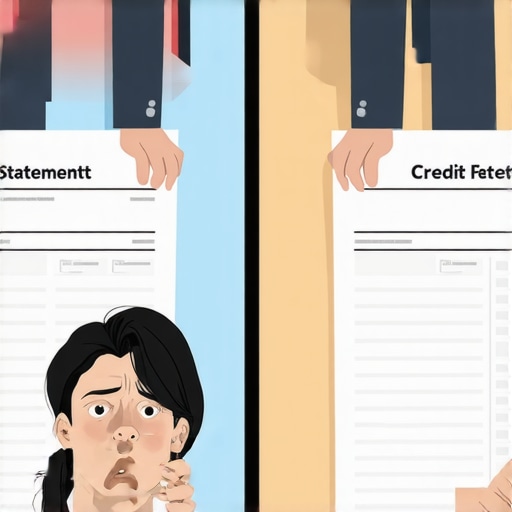
I vividly remember the moment I looked at my credit report and felt my stomach tighten. There it was—an account marked as a charge-off, right next to a collection notice that seemed to appear overnight. I was frustrated, overwhelmed, and honestly a bit scared. I wondered, “How did this happen? And more importantly, what does it actually mean for my financial future?” That confusion was the catalyst that drove me to dig deeper, learn the difference between these two credit issues, and find a way to turn things around.
Why Understanding Charge-Offs and Collections Matters Today
Most folks don’t realize that a charge-off and a collection are not just obscure credit jargon—they can significantly impact your ability to qualify for loans, get favorable interest rates, or even secure rental housing. If you’ve been avoiding the topic because credit feels like a foreign language, you’re not alone. But here’s the truth: knowing what these terms mean and how to handle them can make all the difference in your journey toward financial freedom.
Is it Really Worth Worrying About These What Seems Like Minor Details?
I used to think that paying off debts quickly was enough. I believed once I settled an account, the issue disappeared. Turns out, I made a key mistake: overlooking the importance of understanding the status of each debt. A study from the Consumer Financial Protection Bureau highlighted that unpaid or unresolved charge-offs and collections can lower your credit score significantly and stay on your report for years. That realization pushed me to learn more—ensuring I knew how each situation affected my credit standing.
If you’re like me, at first, you might have been tempted to ignore these marks, thinking they’ll just fade away. But addressing them correctly requires insight, not guesswork. That’s why I recommend exploring concrete strategies, such as those found in credit counseling insights, to navigate your credit recovery effectively.
Ready to demystify these credit signals? Keep reading, because understanding the difference between charge-offs and collections is your first step toward reclaiming your financial health. Let’s turn confusion into clarity, and uncertainty into action.
Create a Debt Assessment and Prioritize Your Accounts
Start by gathering your credit reports from all three bureaus and carefully review each charge-off and collection entry. Use tools like credit counseling insights to understand the Severity of each issue and decide which debts to tackle first. Think of this step as organizing your clutter—identify the biggest messes that, if cleaned up, will offer the greatest benefit.
Execute a Dispute or Validation Process
If inaccuracies or outdated information appear, initiate a dispute or debt validation with the credit bureaus or collectors. This is akin to sending a detective to verify whether the debt is legitimate. For example, I once disputed a collection that I had already paid, and after I formally requested validation, it was removed from my report within 45 days. Use dispute strategies to expedite cleanup and potentially boost your score.
Negotiate a Pay-for-Delete Agreement
Approach your creditors with a clear plan to pay off the account in exchange for removal from your credit report. This is like negotiating a peace treaty—win-win for both parties. Be prepared to offer a lump sum or payment plan, and get any agreement in writing. Remember, persistence pays; I succeeded in removing a charge-off by offering a settlement for a fraction of the owed amount, which my creditor agreed to in writing—a technique explained in pay-for-delete tips.
Build Positive Credit History Through Strategic Credit Use
Simultaneously, start adding positive marks to your report by opening secured credit cards or credit builder loans. Think of this as planting seeds—each on-time payment helps grow your credit tree. For example, I used a secured card, kept utilization below 10%, and made consistent payments, which gradually improved my score. Use credit-building hacks to accelerate this process.
Set Up Automatic Payments and Monitoring
Prevent future issues by automating your bill payments. This is like programming your alarm clock—ensuring you never oversleep on payments again. Additionally, subscribe to credit monitoring so you get real-time alerts on changes. This proactive approach is vital; I once caught an erroneous charge-off that was mistakenly reported, and disputing it quickly saved my score from dropping. Visit speedy growth strategies for more tips on maintaining and improving your credit health.
Leverage Resources for Expert Help
Finally, consider consulting with a credit counselor who can offer personalized guidance tailored to your unique situation. Think of this as hiring a coach—someone to steer you clear of pitfalls and keep your strategy on track. Whether you opt for self-education or professional assistance, taking deliberate, targeted actions will move you closer to financial freedom, one step at a time.Many assume that enrolling in credit counseling or starting a debt management plan is a straightforward fix, but in reality, there’s more beneath the surface. A common myth is that credit counseling alone instantly improves your score—yet, in my experience, the strategic approach involves understanding complex nuances, like how certain debts are reported or how creditors respond to negotiations. Oversimplifying these processes can lead to costly mistakes. For instance, some believe that paying off collections automatically removes them from your report, but unless you specifically negotiate a pay-for-delete, those marks may linger, continuing to drag your score down. Moreover, many people are unaware of one critical pitfall: engaging with debt settlement companies that promise rapid results but often come with high fees and unpredictable outcomes, which can damage your credit further. A subtle nuance worth noting is how the timing of your credit rebuilding activities affects your score; initiating multiple credit applications during a debt cleanup can trigger hard inquiries that temporarily lower your score, counteracting your efforts. To master these intricacies, I recommend diving into genuine resources like smart credit counseling, which provides insights beyond surface-level fixes. Also, understanding how to use debt management programs effectively, rather than as a band-aid, can help you develop a sustainable financial foundation. Remember, the key isn’t just fixing your credit temporarily but implementing a comprehensive system that addresses underlying issues and leverages advanced strategies. This requires a deep understanding of how credit reporting, creditor interactions, and strategic negotiations intersect. Have you ever fallen into this trap? Let me know in the comments, and together, we’ll navigate these nuances more effectively.
Keep Your Credit Recovery on Track with the Right Tools
Once you’ve begun improving your credit, sustaining this momentum requires deliberate strategies and reliable tools. I personally rely on a combination of budgeting software and credit monitoring services to stay vigilant. For instance, I use Mint because it consolidates all my bank accounts, credit cards, and debts into one dashboard, making it simple to track expenses and payments in real-time. This instant visibility helps me avoid missed payments and maintain a low credit utilization ratio, which is critical for ongoing credit health. Additionally, I subscribe to a reputable credit monitoring service that provides alerts on any changes to my report, enabling prompt action if an unfamiliar or incorrect entry appears. In the digital age, automation plays a vital role in long-term credit management, reducing human error and ensuring consistent positive habits.
Why Your Long-Term Credit Success Depends on Consistent Monitoring
Regularly checking your credit report and score isn’t just for catching errors; it’s a proactive way to reinforce your financial discipline. I check my report monthly, paying close attention to any new inquiries or late payments, which can subtly erode your progress. Research from effective credit repair tips emphasizes that consistent oversight prevents small issues from snowballing into major setbacks. This steady vigilance helps you identify opportunities for further improvements, such as adding new positive tradelines or disputing inaccuracies swiftly.
How do I keep my credit healthy over time?
Beyond monitoring, maintaining healthy credit involves strategic actions. For example, establishing a diversified credit mix, like balancing revolving accounts with installment loans, can boost your score and show lenders you’re a responsible borrower. I also recommend setting up automatic payments for at least minimum dues, which safeguards against late payments—a leading cause of score dips. As the trend in credit management evolves, leveraging AI-driven financial apps that analyze your behaviors and suggest personalized improvements will likely become standard practice. To stay ahead, consider exploring future-ready strategies now, optimizing your plan for longevity.
Remember, small consistent actions compound into significant long-term gains. Make a habit of reviewing your credit activity at least once a month, and don’t hesitate to adapt your tools as your financial situation evolves. As a practical step, try setting up automated alerts for any credit report changes tonight—it’s a simple yet powerful way to keep your progress secure and ongoing. The key is persistence and leveraging technology designed to serve your financial goals. Stay vigilant, stay proactive, and your credit will continue to support your aspirations for years to come.
< >
>
What I Wish I Knew About Credit Restoration Early On
- The Power of Disputing Errors Fast: I underestimated how quickly a well-executed dispute could turn around my credit report. Often, correcting inaccuracies is the fastest way to boost scores.
- Not All Debt Is Equal: Understanding the nuances between charge-offs and collections helped me prioritize debts effectively. Addressing recent or unresolved accounts first led to more improvements.
- Negotiation Can Be Your Secret Weapon: I discovered that pay-for-delete agreements could remove negative marks—something I hadn’t considered initially. Negotiating with creditors is worth the effort.
- Long-Term Habits Matter More Than Quick Fixes: Building positive credit through consistent, responsible use far outweighed temporary strategies. Automation and monitoring kept me on track.
- Expert Guidance Accelerates Progress: Consulting with credit counselors provided insights I couldn’t find elsewhere. Their personalized plans made all the difference in my journey toward financial freedom.
The Resources That Shaped My Credit Journey
- Smart Credit Counseling Techniques taught me the importance of strategic planning and patience. It’s a cornerstone for lasting improvement.
- Debt Management Strategies helped me see that controlled, gradual repayment is more sustainable than quick fixes. It’s about developing a master plan.
- Effective Credit Repair Tips provided actionable steps that I could implement immediately, turning knowledge into results.
- Future-Ready Credit Counseling gave me insights into evolving strategies that keep my credit profile resilient over time.
Your Next Step Toward Financial Confidence
If you’re committed to transforming your credit story, remember that patience, consistency, and leveraging expert resources are your best allies. Every deliberate step builds toward a stronger financial future. Don’t hesitate to dive into targeted education and professional support—your best credit days are ahead. What’s one credit strategy you’ve been hesitant to try, but you think could make a difference? Share your thoughts below, and let’s support each other on this journey.