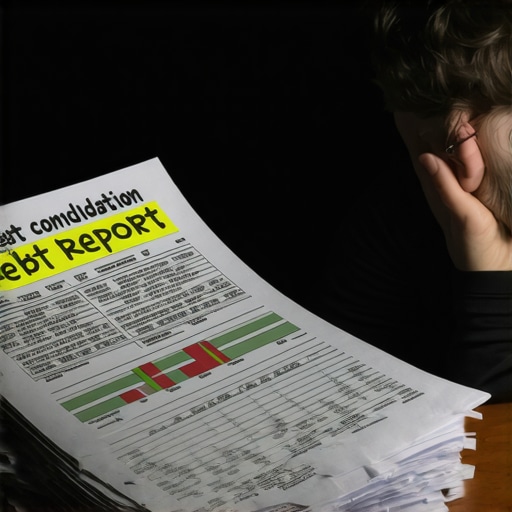
4 Reasons Your Debt Consolidation Loan Was Denied
Have you ever sat in front of your laptop, fingers hovering over the keyboard, ready to apply for a debt consolidation loan—and then watched your application get rejected? I remember that sinking feeling all too well. It’s like hitting a brick wall after months of budgeting, tightening the purse strings, and finally feeling hopeful about regaining control of my finances. The disappointment stings, and suddenly, the goal seems just out of reach.
Why Do So Many Debt Consolidation Efforts Fail? What’s Really Going On?
Understanding why your loan gets denied is the first step toward fixing the problem. Over the years, I learned from my own missteps that lenders aren’t just rejecting out of spite—they’re looking at a specific set of criteria that many applicants overlook. Wrong credit scores, high debt-to-income ratios, or inconsistent employment history are common pitfalls. If you’re wondering, “Did I do something wrong?” the truth is, sometimes it’s a matter of missing a vital detail or unknowingly making a mistake early on in your credit journey.
Is Your Credit Report the Real Culprit?
Early on, I made the mistake of assuming my credit report was clean enough—that I could simply apply and get approved. Turns out, little errors or outdated info can seriously sabotage your chances. Regularly reviewing your credit report for inaccuracies can save you from this trap. Learn how to read your credit report like an underwriter and identify issues that may be holding you back.
But don’t worry. Recognizing these issues is the first step. In the upcoming sections, I’ll walk you through the key reasons your loan might be getting denied and, more importantly, how to fix them step-by-step. Whether it’s improving your credit score, reducing your debt levels, or managing your income-to-debt ratio, I’ve been there—and I’ve found effective solutions that can turn the tide in your favor.
If you’ve faced similar frustrations, you’re not alone. Many people are just a few smart moves away from their financial goals. Ready to uncover the common pitfalls and learn what actions will get your application back on track? Let’s dive into the core reasons why those loan approvals slip through your fingers and how you can start addressing them today.
Begin with a Clear Credit Repair Strategy
Start by reviewing your credit report meticulously. Think of it as auditing your financial health; identify errors like outdated addresses, incorrect account statuses, or mistaken personal info. I once found a closed account still listed as active, which falsely lowered my score. Use effective techniques to dispute and correct these inaccuracies promptly.
Dispute and Remove Negative Items
Next, target negative marks such as late payments or collections. Craft a strong dispute letter highlighting evidence that supports your case. Remember, many collections can be challenged if they lack proper validation. I successfully removed a charged-off account by requesting validation, which led to its deletion. Keep in mind, persistent disputes with documented proof accelerate results.
Optimize Your Credit Utilization Ratio
Lower your credit utilization—aim for under 30%. This ratio shows how much credit you’re using compared to your limit. In practice, I kept my balances below $300 on a $1,000 limit, which improved my score within weeks. Consider requesting a credit limit increase or paying down existing balances before applying for new credit. Use tips to repair your credit fast for targeted strategies.
Rebuild Your Credit Profile
If your credit history is thin, add trade lines wisely. Secured credit cards or credit builder loans can jump-start your credit scores. I used a secured card with a small deposit, and after consistent payments for six months, my scores climbed significantly. Look into credit building from scratch courses to understand the best options tailored for beginners.
Manage Existing Debts Effectively
Implement debt management techniques like the avalanche method—paying off high-interest debts first. This approach prevents interest from snowballing and improves your debt-to-income ratio, which lenders scrutinize. During one cycle, I prioritized my credit card debts, and by paying extra on the highest-interest card, I reduced my overall debt faster. For comprehensive advice, explore smart debt management strategies.
Build Consistency and Monitor Progress
Set up automatic payments to avoid late payments and regularly check your credit report for changes. This discipline ensures continuous improvement and helps spot errors early. I scheduled monthly alerts through my bank, which kept me accountable and prevented slip-ups. Remember, rebuilding credit is a marathon, not a sprint; patience combined with action yields results.
Seek Professional Guidance When Needed
If you’re overwhelmed or not making sufficient progress, consider consulting a credit counselor. Professionals can craft personalized plans, identify hidden errors, and negotiate on your behalf. I reached out to a counselor when my scores plateaued, and their insights helped me unlock additional points. Find trusted experts through contact us, and explore credit counseling insights for actionable advice.
By following these concrete steps, you’ll transform your credit profile systematically. The key is consistency—each small improvement compounds over time, paving the way toward loan approval and financial freedom.
Many believe that following a standard checklist guarantees credit success, but in reality, this approach often misses critical subtleties. A common myth is that paying off balances automatically boosts credit scores significantly; however, if your credit mix is flawed or you have unresolved negative marks, these efforts may be minimal or even counterproductive. As an expert in credit counseling, I’ve seen countless individuals fall prey to oversimplified solutions that overlook the intricate mechanics of credit scoring.
One noteworthy nuance is the importance of timing and context when disputing errors or requesting credit limit increases. For example, submitting a dispute immediately after a recent late payment might trigger a temporary dip in your score due to the increased uncertainty of your credit profile, even if the dispute is ultimately successful. Recognizing such timing-sensitive moves can prevent inadvertent damage. To deepen your understanding, explore smart debt management tips that account for these subtle dynamics.
Are Credit Counseling and Debt Management Always the Same?
This is a question I often encounter, and the answer is nuanced. While many assume ‘credit counseling’ is just debt management, the reality is that these services can be distinct, with credit counseling providing a strategic plan tailored to your specific financial situation, including personalized advice on credit utilization and legal protections. In contrast, debt management might focus primarily on consolidating payments or negotiating lower interest rates. Choosing the wrong approach without understanding these nuances can stall progress or cause unintended consequences. For actionable insights, consider avoiding common pitfalls in debt management by working with trusted professionals.
An often-overlooked trap involves relying solely on rapid credit fixes like rapid rescoring or quick disputes, which can mislead and generate false confidence. The initial boost from such tactics may be short-lived or not reflective of your true credit standing, leading to potential denial when applying for loans. According to industry experts, sustainable credit improvement relies on consistent, long-term behavior rather than quick hacks. For a comprehensive guide, review effective credit repair techniques.
Remember, mastering credit health isn’t just about fixing errors or paying debts; it involves understanding the underlying scoring model, strategic timing, and maintaining disciplined habits over time. Have you ever fallen into this trap? Let me know in the comments. Ensuring you’re aware of these nuanced pitfalls can make all the difference in achieving your financial goals.
How Do I Keep My Credit Progress Steady Over Time?
Maintaining the positive momentum in your credit journey requires more than just initial fixes. I personally rely on **credit monitoring services like IdentityIQ** because they provide real-time updates and detailed alerts that help me spot discrepancies or unauthorized activity immediately. This proactive approach ensures my credit profile remains healthy and prevents small issues from snowballing into larger setbacks.
Another essential tool is **Excel spreadsheets combined with automated reminders**. I create custom dashboards to track debt payments, credit score milestones, and report updates. This hands-on method gives me a clear visual of my progress and helps me adjust strategies promptly. Using formulas to calculate debt-to-income ratios and other metrics keeps my goals quantifiable and achievable.
For secure document storage and quick access, I utilize **encrypted cloud services like LastPass** for passwords and sensitive info. This ensures I can access my financial data securely across devices, especially when monitoring or disputing errors on my credit reports. Having all data organized saves time and reduces the risk of overlooking critical details.
Future Trends in Credit Management Technology
As AI-driven analytics become more sophisticated, I predict that personalized credit health dashboards will become standard. These platforms could proactively suggest tailored actions, predict the impact of certain behaviors, and even automate dispute processes. Staying ahead involves embracing tools that harness such innovations. For example, leveraging **credit repair algorithms on platforms like Credit Bureau Expert** can streamline the correction process and provide predictive insights—saving both time and money.
One powerful tip I recommend is setting up **automatic debt payments with the highest interest first (avalanche method)**. Automating these payments minimizes missed deadlines and ensures continual improvement, reinforcing the habits essential for long-term success. If you’re serious about this, consider integrating your banking app with reminders and scheduled transfers, keeping your payment routines airtight. Want to up your game even further? Explore credit-building hacks for fast results.
Tools That Last and Scale with You
For those looking to scale their credit-building efforts, investing in **a secured credit card combined with credit builder loans** can provide an effective momentum. Personally, I use the **OpenSky Secured Visa**, which reports to all three bureaus without requiring a credit check—making it ideal for establishing or rebuilding credit. Adding a consistent payment history here enhances your profile over time and scales with your growing financial capacity.
Remember, the key is consistency and leveraging technology that adapts as your needs evolve. The trend toward integrated, AI-powered financial tools indicates that in the future, managing credit will be more intuitive and less time-consuming. Stay informed and experiment with these tools, and you’ll find that maintaining your hard-won credit progress becomes second nature.
If you’re ready to take your credit management to the next level, try setting automated alerts for every credit report update and follow through with routine dispute checks—it’s an advanced step that can safeguard and expedite your progress.

The Hardest Lesson I Learned About Credit Repair and Building
One of my biggest realizations was that quick fixes only offer temporary relief. True progress requires consistent effort, patience, and a strategic plan. Relying solely on rapid rescoring or disputing errors without understanding the underlying scoring mechanics can lead to setbacks instead of gains.
How Overlooked Details Can Derail Your Financial Journey
I discovered that small errors on my credit report, like outdated addresses or incorrect account statuses, can have an outsized impact on approval chances. Regularly reviewing and disputing these inaccuracies is essential—more than just checking your score, you need to know what’s on your report.
The Impact of Timing and Strategy in Disputes and Credit Actions
Timing matters more than I initially thought. For example, requesting a credit limit increase right after a late payment can sometimes cause a temporary dip. Knowing when to act or dispute can make the difference in seeing an actual score boost.
My Trusted Resources for Sustainable Credit Improvement
- My Credit Monitoring Service: I use IdentityIQ because it offers real-time alerts, helping me stay on top of changes and unauthorized activity—it’s vital for maintaining credit health.
- Effective Repair Techniques: The comprehensive guide on credit repair has been my go-to resource for understanding dispute strategies and long-term rebuilding practices.
- Educational Books: “The Total Money Makeover” by Dave Ramsey taught me sound financial habits that complemented my credit efforts.
- Professional Guidance: Consulting a trusted credit counselor through Counsel Credits provided personalized strategies that accelerated my progress.
Keep Moving Forward: Your Financial Future Awaits
Rebuilding your credit and managing debt isn’t a quick journey, but every positive step you take builds momentum. Embrace the process, learn from common pitfalls, and leverage the right tools and resources. Remember, consistent effort and strategic timing are your allies—success is within reach if you stay committed. So, are you ready to take the next step toward your financial freedom? Let me know your biggest challenge below and how you plan to overcome it.