Why a Zero Balance Might Actually Be Lowering Your Credit Score
Have you ever paid off a credit card completely, only to watch your score dip instead of climb? I sure have. One moment, I was celebrating a fresh zero balance, and the next, I noticed my credit score had unexpectedly dropped. It felt like the financial universe was playing a cruel joke on me. That lightbulb moment made me realize there’s more to managing credit than simply paying down balances.
Why Clearing Your Credit Card Balances Isn’t Always a Win
Many people hear that paying off your debts is the best way to boost your credit score. While in most cases this is true, there’s a twist—settling to a zero balance can, paradoxically, lower your score. It’s confusing, I know. The core issue lies in how credit utilization, account age, and credit mix influence your score. When you wipe out your balances too quickly, you might inadvertently send a signal to lenders that you’re not using credit responsibly or that your credit history is shorter than it appears.
Is a Zero Balance Actually Worth the Hype?
Early on, I made the mistake of thinking that zero balances meant perfect credit. I didn’t realize that the length of credit history and how often you use and pay your credit play critical roles. According to a 2023 study by FICO, maintaining a healthy utilization rate—ideally below 30%—is key to keeping your score high. Paying to zero might reduce your overall utilization temporarily, but if it shortens your account history or disrupts your payment patterns, it can harm your score more than help.
If you’re experiencing this issue or just want to avoid unintentionally hurting your credit, you’re not alone. Many credit-savvy individuals struggle with understanding how different practices affect their scores. That’s precisely what we’ll explore next: the smart ways to manage your balances and build credit effectively, without the side effects you might not expect. Want to learn more? Check out effective credit repair tips for practical strategies that make sense and work.
Ready to dive into the details? Let’s uncover what really influences your credit score and how to keep it healthy, even when paying off debts.
,
Prioritize Your Credit Utilization
Start by maintaining a utilization rate below 30%. For example, if you have a credit limit of $1,000, aim to keep your balance under $300. I learned this the hard way when I paid off a high balance, only to see my score drop because I had paid to zero, reducing the average age of my credit accounts. To avoid this, small, regular payments to keep balances low are better than clearing entirely, which can reset your account age and lower your score. Use tools like automatic payments to stay consistent and track your utilization with a credit monitoring service.
Sequence Your Payments Wisely
Instead of paying everything off immediately, stagger your payments throughout the billing period. Making multiple small payments can keep your utilization low while preserving the credit history length. I once scheduled payments every week, which kept my scores steady even during debt reductions. This approach shows lenders responsible usage without the abrupt changes that come from large, sudden payments. For detailed strategies, see smart debt management practices.
Maintain Significant Accounts Over Time
Long-standing accounts boost your credit age, which is crucial for a high score. Never close your oldest credit card unless absolutely necessary, as it’s like chopping down a towering tree—you lose years of growth instantly. When I considered closing mine to reduce temptation, I realized the impact on my score was more detrimental. Keep these accounts active by making small purchases (then paying off promptly) to keep them lively. This demonstrates stability to lenders and can improve your overall credit mix, which is a positive signal.
Utilize Secured Credit Products
If your credit history is short or damaged, secured credit cards are excellent tools. They require a refundable deposit that acts as your credit limit, making them less risky for lenders. I used a secured card to rebuild after a financial setback, and consistently made on-time payments. Over time, that history helped me transition to unsecured cards and raised my score. For more guidance on building credit from scratch, visit building credit from scratch.
Dispute and Correct Errors Promptly
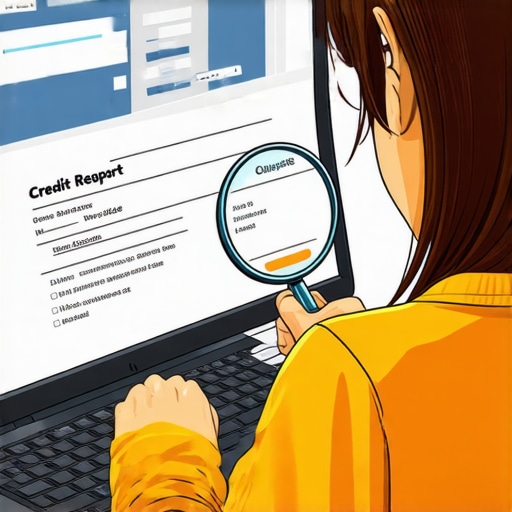
Check your credit reports regularly—at least once a year or after major financial moves. When I found an incorrectly reported late payment, I immediately disputed it online. The dispute process involved sending a certified letter and following up using the official dispute procedures. Disputes that resolve errors quickly can have an immediate positive impact, preventing those inaccuracies from dragging your score down for years. Remember, a clean report is the foundation of good credit management.
Implement Responsible Credit Habits
Avoid making late payments, as they damage your score and could incur fees. I set up calendar alerts for due dates or enrolled in automatic payments to prevent oversights. Additionally, diversify your credit mix with different types of credit, such as installment loans or retail cards, showing lenders you’re capable of handling multiple credit types responsibly. Regularly reviewing your credit score and understanding its factors ensures you stay on track and adjust your strategy as needed. For ongoing insights, check credit counseling insights.
The Myth of Quick Fixes in Credit Repair
While many believe that rapid credit repair methods can instantly boost scores, this assumption often leads to unintended consequences. For example, aggressively disputing multiple entries or attempting quick deletions might seem effective, but it risks flagging your account for suspicious activity. Credit bureaus rely on patterns; aggressive tactics can trigger audits, delaying actual improvements. Recent studies suggest that sustainable, deliberate strategies outperform shortcuts in the long run, emphasizing patience and consistency instead of quick fixes. To explore more reliable methods, visit the ultimate credit repair blueprint and build a resilient credit profile that lasts.
Are all credit counseling services genuinely helpful, or are some traps?
Many think that all credit counseling programs are created equal, but the truth is, some can do more harm than good. For instance, enrolling in programs promising rapid debt elimination without understanding their structure can lead to hidden fees, increased debt, or even damage to your credit report. Worse, some services advocate for debt settlement tactics that might seem appealing but often result in tax liabilities and potential legal risks. It’s vital to verify the credibility of any credit counseling service—look for transparency and read reviews. For trusted, ethical guidance, check this privacy policy and ensure your financial rights are protected.
Common Misunderstandings About Building Credit from Scratch
Many assume that simply opening a few accounts automatically boosts their score. However, without strategic management, this approach can backfire. For example, opening multiple new accounts in a short period can signal risk-tolerance issues to lenders, ultimately lowering your score. Instead, focusing on maintaining low balances on secured credit cards and timely payments solidifies your credit foundation. Another trap involves neglecting to review your credit report regularly—errors can linger and suppress your score unjustly. To learn step-by-step building techniques, consult building credit from scratch guidance and avoid costly mistakes.
Why Overlooking the Nuances Could Cost You
Understanding the fine-print nuances in credit reports and strategies can be the difference between financial health and costly setbacks. For example, the timing of your payments relative to billing cycles can influence your reported utilization and score. Using a credit monitoring service to analyze these subtle factors helps optimize your efforts. Additionally, many overlook how account age and diversity influence your creditworthiness. Avoid the mistake of closing old accounts prematurely, as this diminishes your credit age and potential scoring opportunities. For expert insights on managing these complexities, visit credit counseling insights and maintain a strategic edge in your financial journey.
Have you ever fallen into this trap? Let me know in the comments.
How do I keep my credit management sustainable over time?
Staying on top of your credit health requires reliable tools and consistent habits. Personally, I rely heavily on **credit monitoring services like Experian or Credit Karma**. These platforms provide real-time updates and detailed reports, which are vital for catching inaccuracies or unexpected score drops early. Additionally, I use budgeting software like YNAB (You Need A Budget) to ensure my spending aligns with my credit goals, helping me avoid overspending that could hurt my utilization rates. 
For credit rebuilding and maintenance, I also recommend **setting up automatic payments** through your bank or creditor’s portal. This simple step prevents late payments—one of the fastest ways to damage your score—and promotes responsible habits. Over months, these tools become embedded in your routine, creating a self-sustaining system that supports your long-term financial health.
Prediction-wise, I believe the future of credit management will lean towards **AI-powered apps that tailor advice based on your entire financial picture**, making personal credit strategies more intuitive and proactive.
What tools can help me manage my credit effortlessly while scaling?
If you’re aiming for ongoing growth, consider **debt payoff calculators and automated savings plans**. The combination of these tools helps you see the real impact of your payments and interest savings, keeping you motivated. For example, I used a step-by-step calculator from building credit from scratch to plan my payments strategically, ensuring every dollar worked towards increasing my score. Integrating these calculators with your bank’s auto-transfer features allows you to push funds toward debt or savings without manual effort, fostering discipline and consistency.
To stay ahead, regularly review your credit report and leverage services with strong dispute features—like the formal templates and tracking options discussed in smart debt management practices. This helps keep your report accurate and your credit profile healthy long-term.
Take action now by setting up automatic payments for your bills and monitoring your utilization — it’s a simple yet powerful step towards sustained credit success. Remember, tools alone won’t do the work; pairing them with disciplined habits is key to maintaining and scaling your credit profile effectively.
What I Wish I Knew When I Started Managing My Credit
- I underestimated the power of consistent, small payments over time—large lump sums aren’t always best for credit longevity. Showing regular responsible use often outweighs just paying off debt instantly.
- Closing old accounts can do more harm than good—those aged accounts are among your strongest allies for a good score. I learned that maintaining and sometimes even lightly using these accounts keeps your credit history vibrant.
- Spotting and disputing errors promptly saved my score from unnecessary drops. Regularly reviewing your reports isn’t just a good habit; it’s an essential shield against inaccuracies that drag your score down.
- Understanding that credit utilization isn’t just about low balances—it’s about strategic balances that reflect responsible use without shortening your account age. Managing this fine line is a crucial skill I wish I’d developed earlier.
- Beware of quick fixes and fast promises. Sustainable credit health grows from patience, education, and consistent habits—there’s no true shortcut to strong, lasting credit.
My Essential Tools for Building & Maintaining Strong Credit
- Credit monitoring services like Credit Karma: They offer real-time insights and empower you to spot issues before they impact your score. I trust them because they combine ease of use with comprehensive data.
- Building credit from scratch guide: This step-by-step resource helped me establish a healthy credit profile early on. It’s trustworthy because it’s based on proven, practical strategies.
- Debt payoff calculators: Visual tools that showed me how each payment impacted my debt and credit score. They kept me motivated and on track, making the journey manageable and measurable.
- Automated payment setups: Setting up automatic payments was a game changer—no late fees, no forgotten bills, and it kept my credit score stable over months of consistent effort.
Let Your Credit Journey Inspire Others to Take Action
Your credit health isn’t just a number; it’s your financial foundation. By applying strategic, responsible habits today, you set the stage for a more secure, confident financial future. Remember, mastery in credit management isn’t about perfection—it’s about persistence, awareness, and smart choices. Ready to take the next step? Your improved credit journey begins now, and the difference it makes can be truly life-changing.
Have you ever stumbled on a vital credit management lesson that changed your approach? Share your experience below—your story might be the encouragement someone else needs.