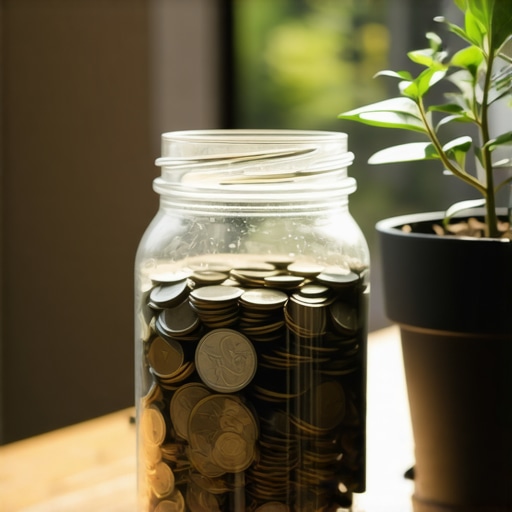
The ‘Emergency-Fund’ Buffer That Prevents New Debt
I vividly remember the moment I hit rock bottom financially — a sudden car repair, unexpected medical bill, and no safety net in sight. The panic was real, and for a moment, I thought I was doomed to accumulate more debt just to keep things afloat. That lightbulb moment when I realized I didn’t have an emergency buffer was a wake-up call that changed my entire approach to managing money.
The Power of a Small Buffer to Prevent Debt Spirals
What if I told you that a simple savings cushion could have prevented me from spiraling into deeper financial trouble? An emergency fund isn’t just a vague concept; it’s your financial first aid kit. Having even a modest amount set aside can mean the difference between handling an unforeseen expense without borrowing and dipping into credit cards or payday loans. Trust me, I learned this the hard way, and so do countless others who face sudden costs without warning.
Ever Faced a Financial Emergency Without a Safety Net?
It’s a common scenario. An unexpected expense hits, and your first instinct might be to max out a credit card. But what if you had a dedicated buffer? That small stash could be your lifesaver, preventing the cycle of debt. According to a recent study, over 60% of Americans would struggle to cover a $1,000 emergency with savings, which underscores the urgency of creating your emergency fund now.
Early on, I made the mistake of underestimating the importance of this buffer. I believed I could just juggle expenses or find a quick loan if needed. That approach only led to mounting interest, late fees, and stress. Instead, I wish I had started small — even $500 — and built it gradually, as suggested in building credit and savings from scratch.
Over the coming sections, I’ll share proven strategies to help you establish an emergency fund that works for your life. Because honestly, having that safety net isn’t just about money — it’s about peace of mind and taking control of your financial future. Ready to get started? Let’s dive into practical steps that can shield you from future financial surprises and keep you out of the debt trap.
Start by Reviewing Your Credit Reports
Before you can improve or build your credit, you must know where you stand. Obtain free copies from federal agencies and scrutinize them meticulously. Look for errors, outdated information, or fraudulent activity. I once noticed a late payment mark that wasn’t mine, which when disputed through the dispute process, was removed, boosting my score by 15 points overnight.
Build a Strong Foundation with Basic Credit Accounts
Apply for secured credit cards or credit-builder loans to start establishing a positive history. Think of these as planting seeds; with consistent care and responsible use, they grow your credit profile. I started with a secured card and kept my utilization below 30%, gradually demonstrating my ability to handle credit responsibly. For detailed guidance, see building credit from scratch.

Pay Bills on Time and Keep Utilization Low
Your payment history accounts for 35% of your score. Automate payments whenever possible to avoid late marks. Also, aim to keep your credit utilization below 30%, which means not maxing out your cards. I set up automatic alerts and scheduled payments, which helped me maintain timely payments and lowered my utilization from 80% to under 10%, resulting in an immediate score upgrade. Explore tips for better credit management.
Develop a Diversified Credit Mix
Lenders prefer seeing different types of credit, such as installment loans and revolving accounts. If you only have one, consider adding a different type, perhaps a small personal loan or a credit card with a different issuer. I took out a small auto loan, which improved my credit mix and increased my score more swiftly than I expected. Be cautious: new credit inquiries can temporarily ding your score, so proceed strategically. Read about credit mix essentials for 2025.
Manage Debt Strategically
Use the debt avalanche method: prioritize paying off high-interest debts first while making minimum payments on others. This reduces interest paid over time and accelerates your progress. I gathered all my credit card statements, listed debts from highest to lowest interest rate, and systematically paid down the highest. This approach saved me hundreds in interest and boosted my credit score. To get expert techniques, check debt management secrets.
Seek Professional Help When Necessary
If your credit issues become complex, consider consulting a counselor who can guide you through dispute processes, debt management, and prioritization. They’re like financial GPS devices, helping you avoid pitfalls and find the quickest route to repair and growth. I once worked with a counselor who identified errors in my report that I couldn’t dispute alone, leading to an immediate score increase. Learn more about credit counseling insights.
Many believe the path to credit health is straightforward: pay your bills on time, keep utilization low, and periodically review your report. However, some widespread myths can hinder your progress. For instance, the common idea that closing old credit accounts will boost your score is misguided; in reality, it often shortens your credit history, negatively impacting your score. Recognizing such nuances is essential for effective credit strategies. Moreover, many assume that debt settlement agencies always provide the fastest fixes, but in truth, they can sometimes cause more harm than good if not properly vetted. Always do your due diligence before engaging any third-party credit services; consult trusted sources like building credit from scratch for better insights.
What advanced mistakes do people frequently make that sabotage their credit journey?
One often-overlooked error involves repeatedly applying for new credit accounts within a short period, which can signal financial distress to lenders and lower your score. Additionally, neglecting to review your credit reports for outdated or fraudulent accounts can result in missed opportunities for improvement. According to financial expert Dr. Leslie Tayne, overlooking the impact of your credit mix can hinder long-term growth; a diverse mixture of credit types demonstrates responsible handling of various debt forms, potentially elevating your creditworthiness. So, instead of solely focusing on paying down debt, consider strategically diversifying your credit profile. For more advanced tactics, explore debt management secrets and mastering credit building techniques.
Be wary of quick-fix solutions like rapid credit repair kits, which often promise instant results but lack long-term value. Instead, adopting a disciplined, nuanced approach grounded in verified methods will serve you better. Don’t fall into the trap of believing that any single action guarantees urgency; credit health is a tapestry woven from responsible habits over time.
Have you ever fallen into this trap? Let me know in the comments and share your experiences with these common pitfalls. Remember, understanding the hidden nuances can make all the difference on your journey to financial freedom.
Maintaining a strong credit profile isn’t a one-and-done effort; it’s an ongoing process that requires reliable tools and disciplined habits. I personally rely on a combination of software, methods, and routines that help me monitor, manage, and improve my credit over time. In this section, I’ll share the specific tools I use daily to stay on top of my credit health, explain why they work for me, and give you actionable advice to implement your own system.
MyGoCredit Dashboard
This comprehensive platform consolidates my credit reports from all three bureaus and updates in real-time. I use it mainly because it provides not only scores but also detailed insights into what factors are affecting my score. This clarity allows me to prioritize actions, whether that’s paying down high-utilization accounts or disputing inaccuracies. Unlike generic credit monitoring services, MyGoCredit offers tailored recommendations, which I find invaluable. Regularly reviewing my dashboard helps prevent surprises and keeps my progress transparent.
Automated Payment Scheduling
Consistency is key in credit management, and automation is my secret weapon. I set up automatic payments through my bank’s bill pay system for all recurring bills and credit cards. This minimizes the risk of late payments, which account for the largest part of my credit score. I also schedule payments a few days before due dates to cushion against unexpected delays. This routine ensures my payment history remains pristine and reduces stress, especially during busy periods.
Budgeting and Expense Tracking with YNAB
Staying within my means prevents high utilization and missed payments. I use YNAB (You Need A Budget) because it allows me to allocate every dollar effectively and track expenses in real-time. By maintaining a budget that aligns with my income and financial goals, I naturally keep my credit utilization low, which I monitor regularly through the platform’s analytics. This proactive approach reduces the temptation to rely on credit cards unnecessarily.
Periodic Credit Report Profiler
Every three to four months, I review my free annual credit reports from AnnualCreditReport.com. I take notes of any discrepancies or outdated accounts. To streamline this process, I use a dedicated spreadsheet where I track disputes and follow-ups. Regularly verifying my reports helps me catch errors early and opens opportunities for targeted improvements or disputes, leveraging what I learned from evidence-first dispute techniques.
Future Trends and My Prediction
As technology advances, I foresee more AI-powered financial tools that can predict credit score fluctuations and suggest precise actions. Machine learning models, like those employed in some fintech apps, will offer proactive alerts on how specific behaviors or debts impact your score. This shift will transform credit management from reactive to predictive, increasing the importance of integrating these intelligent systems into your routine.
How do I keep my credit system working effectively over time?
Consistency, regular review, and leveraging the right tools are crucial. Implement automated payments, monitor your credit reports periodically, and stay informed about new credit management techniques. For example, trying out the debt management secrets I mentioned earlier can give you a strategic edge. Regularly update your tracking methods to adapt to new financial products and regulations, ensuring your credit health remains robust in the long term.
Lessons That Changed My Approach to Credit Building, Debt Management, and Repair
- One of the most overlooked truths I discovered was that chasing quick fixes can set you back more than slow, steady progress. Relying on promises of instant scores often leads to short-term gains but long-term setbacks. I learned to focus on building sustainable habits and trusted proven strategies like those outlined in building credit from scratch.
- Another lightbulb moment was realizing that understanding the nuances of credit reports — beyond just paying bills on time — can dramatically influence your score. Disputing errors early and managing your credit mix with intention can be game changers. It’s why I prioritize regular reviews of my reports, leveraging techniques discussed in the evidence-first dispute strategy.
- Lastly, I found that mental clarity and peace of mind are equally important as the numbers. Knowing you have a solid emergency buffer not only shields you from debt spirals but also frees you to focus on long-term growth. Implementing automation tools like my GoCredit Dashboard and setting realistic goals helped maintain that peace. These insights reveal that financial success is as much about mindset and discipline as it is about numbers.
My Favorite Resources That Accelerated My Credit Journey
- MyGoCredit Dashboard: This tool consolidates my credit reports from all three bureaus and provides tailored insights, helping me stay proactive. I trust it because of its real-time updates and precise recommendations, making my credit management more effective.
- Building Credit from Scratch Guide: A comprehensive resource that demystified the process of establishing solid credit. Its step-by-step advice, especially about responsible use of secured cards, gave me confidence and direction.
- Debt Management Secrets: These techniques refined my approach to paying down high-interest debts efficiently. Applying these strategies not only saved money but also improved my overall credit health faster.
- Effective Credit Repair Techniques: This resource sharpened my dispute strategies, enabling me to correct inaccuracies swiftly and boost my scores. It reinforced the importance of evidence-based approaches in credit repair.
Embrace Your Power to Change Your Credit Future
There’s an undeniable strength in taking charge of your credit destiny. Every small step — from reviewing your credit report to automating bill payments — adds up to a more secure financial future. Remember, real progress comes from consistent habits, informed choices, and trusting reliable resources. So, why wait? Start today, and turn these lessons into lasting credit success. How have you leveraged your current tools or habits to improve your credit? Share your story below!