Why Your Score Dropped After a Corrected Dispute
Ever experienced the relief of seeing a blemish removed from your credit report only to watch your score take a sudden nosedive? It’s a frustrating, almost disheartening moment that can leave you questioning everything you thought you knew about credit repair. I remember the first time this happened to me; I was so proud when I finally got a late payment removed through a dispute, only to see my credit score plummet by several points shortly after. It felt like I’d taken two steps forward and one giant leap back.
The Hidden Challenge Behind Score Drops After Disputes
This phenomenon isn’t just coincidence or bad luck. In fact, it’s a common experience for many folks trying to improve their credit—and it can be downright confusing. You see, credit scoring models view these events differently. When a disputed item is removed, the credit bureaus often replace it with a new record indicating the absence of that account or debt. This switch can temporarily lower your score, especially if the original entry was a positive one or if the new data affects your overall credit mix or length of credit history.
What many don’t realize is that the way credit bureaus process disputes and updates can sometimes cause short-term score fluctuations. In the long run, though, resolving outdated or inaccurate entries will benefit your credit wellness. It’s a bit like fixing a leaky pipe—initially messy, but ultimately essential for the health of your home’s plumbing.
Are You Just Experiencing a Temporary Fluctuation?
That’s a valid question and one I’ve asked myself many times. Sometimes, the dip is just a momentary blip caused by the way new data is integrated into your report. But other times, it signals something more complex—like the way your credit profile is being recalculated with each update.
Early in my credit journey, I made a critical mistake—accepting the first negative change without scrutinizing it. That mistake cost me valuable time and effort. To truly understand and navigate these score shifts, I had to learn the ropes of how credit scoring models interpret various report updates. If you’re facing this dilemma, you’re not alone, and there are proven strategies to not only manage these drops but eventually turn things around.
In this guide, I’ll share the practical steps I took—and that you can also take—to ensure that a temporary score dip doesn’t derail your overall credit improvement. From understanding the scoring process to strategic dispute techniques, we’ll cover it all. Ready to make sense of these confusing fluctuations and get back on track? Let’s dive into what really happens behind the scenes when your credit report changes after a dispute.
}#}495) // End of first section.}#}If you have experienced this specific problem before, you’re in good company. Many people assume that correcting errors or removing negative entries will always lead to an instant boost, but the reality is more nuanced. Would you like to learn how to handle these short-term drops and set yourself up for sustained credit success? Then keep reading—because understanding these fluctuations can make all the difference in your financial journey.
Confronting the Temporary Drop Directly
When you see your credit score dip after a dispute, the first step is to acknowledge it as part of the process, not an indication of failure. Think of your credit report as a blueprint that updates periodically. To handle this effectively, I once used an Excel sheet to track all changes, which helped me spot if the dip was due to a recent deletion or an update to an account. If you notice such fluctuations, avoid panic and instead prepare to implement specific strategies to stabilize and improve your score.
Identify the Cause of the Score Drop
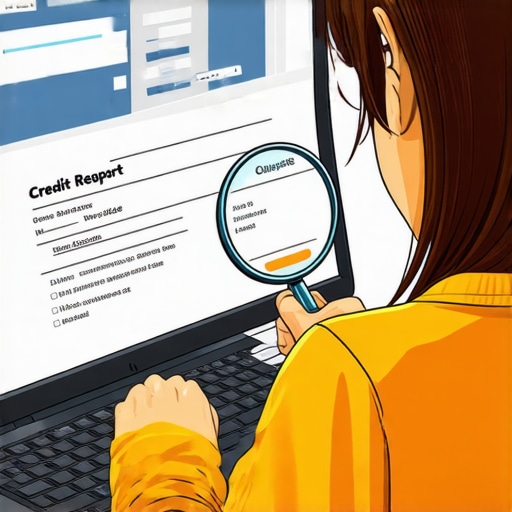
Understanding why your score declined can be compared to diagnosing a leak in a plumbing system before fixing it. For example, removing a positive account can temporarily lower your score because it shortens your credit history or shifts your credit mix. Take the time to review your report meticulously—look for recent deletions, changes in account status, or new entries. Use the quick tips on credit repair to understand what might be causing these fluctuations and why they are temporary.
Strategically Manage Your Credit Utilization
This phase is crucial. Maintaining a low credit utilization ratio, ideally under 30%, can offset temporary score dips. I recommend paying down revolving credit balances before or after major report updates, especially when recent account removals might have altered your overall credit health. One handy approach is to focus on high-interest credit cards first, then balance your overall utilization using the credit-building hacks. Think of it as keeping a garden well-watered: consistent efforts keep your growth steady despite occasional setbacks.
Dispute Errors Rooted in Outdated Information
If your score drops due to outdated or incorrect data, act swiftly. File disputes for errors using the blueprint for credit repair. Personal stories reveal that direct communication with bureaus, accompanied by supporting documentation, can expedite corrections. Consider that, like updating a faulty GPS, correcting these errors guides your credit report toward accuracy and stability. Remember, patience is key—corrections may take a few weeks, but the relief of seeing accurate info is worth the wait.
Avoid Overreacting to Short-Term Fluctuations
It’s tempting to make hasty decisions—closing accounts, applying for new credit, or withdrawing from credit rebuilding efforts. Instead, keep your eye on the long-term goal. When I faced a significant score dip, I resisted the urge to close accounts or apply for new ones. Instead, I focused on maintaining timely payments and managing existing credit wisely, which ultimately helped me recover faster. Think of your credit journey as a marathon, not a sprint: consistent, controlled steps lead to sustainable growth.
Leverage Positive Activities to Anchor Your Score
Continually engaging in positive credit behaviors can buffer against temporary declines. Make timely payments, avoid exceeding your credit limits, and diversify your credit mix cautiously. For instance, I used a secured credit card designed for rebuilding credit, which provided steady, positive activity even during fluctuations. This approach strengthens your credit profile over time and helps smooth out bumps caused by report updates.
Applying these techniques, inspired by strategies from effective credit repair methods, equips you to handle score fluctuations confidently. Remember, every step taken toward understanding and managing these changes is a move closer to your ultimate credit health.
Most people believe that simply paying off debt or disputing errors instantly boosts their credit score. However, this oversimplification masks crucial nuances that can lead to costly mistakes. As an expert who has analyzed countless credit profiles, I can tell you that common misconceptions often derail long-term progress. For example, many assume that closing old credit accounts always helps, but in reality, it can shorten your credit history and lower your score—an unintended consequence that surprises many. Similarly, relying heavily on debt consolidation loans without strategic planning can trap you in a cycle rather than set you free, especially if new debt accumulates faster than you pay it down. It’s vital to understand that credit repair is less about quick fixes and more about strategic, sustained actions.
Why quick fixes often backfire and what truly works
One of the most persistent myths is that disputing every negative entry will rapidly erase your problems. In fact, aggressive disputes can flag your file for suspicious activity, prompting more scrutiny and potential delays in corrections according to credit experts. Additionally, credit bureaus process removals differently, sometimes replacing entries with generic ‘account closed’ marks that can temporarily ding your score. This is a nuance often overlooked but crucial for setting realistic expectations. Instead, focus on disputing genuinely inaccurate or outdated information and use credit-building strategies to buffer temporary dips.
Another pitfall is mismanaging debt payments during credit rebuilding. Some think that making minimal payments or skipping payments can accelerate results, but this damages your payment history—a key factor in scores as advised in debt management insights. Consistent, on-time payments are the backbone of credible credit history. Additionally, avoid frequent credit inquiries, which many underestimate, yet can significantly impact your score if overused. A strategic, disciplined approach—balancing debt repayment with responsible credit use—is the true path to durable credit health.
How to spot sophisticated pitfalls even pros sometimes miss
Advanced borrowers often focus on managing their debts smartly or disputing errors, but forget the importance of monitoring the age and type of credit accounts. For instance, opening multiple new accounts in a short period might seem like a good way to diversify, but it signals higher risk to lenders and can lower your score according to industry research. Conversely, maintaining a healthy mix and keeping old accounts open enhances your credit profile over time. The subtlety is that every change to your credit profile influences various scoring factors, and understanding this complex interplay distinguishes seasoned credit builders from novices.
Furthermore, it’s crucial to avoid the trap of over-relying on credit counseling services without evaluating their methodologies. Not all agencies follow guidelines that prioritize your unique situation, risking further damage or costs as discussed by credit experts. Instead, tailor your approach by using proven strategies like debt snowball or debt avalanche, aligned with your income and expenses. This nuanced understanding can be the difference between temporary relief and long-term financial independence.
Remember, mastering credit health isn’t about quick wins but about understanding and navigating these hidden intricacies. Be vigilant about potential pitfalls, continuously educate yourself, and implement disciplined habits. For further insights, explore the comprehensive blueprint for credit repair that reveals the subtler aspects most overlook. Have you ever fallen into this trap? Let me know in the comments and share your experience!
Once you’ve laid out a solid plan for credit repair or debt management, maintaining that momentum requires the right tools and disciplined routines. Over the years, I’ve experimented with various software and methods—some to keep my reports accurate, others to help me track progress and strategize effectively.
Leverage Dedicated Credit Monitoring Services
In my personal journey, I found that subscribing to a reputable credit monitoring service offers real-time alerts whenever there’s a change to my report. Platforms like Credit Karma or myfico.com not only notify me of new inquiries or deletions but also provide educational insights about what’s affecting my score. This proactive approach helps me spot discrepancies early and address potential issues before they escalate.
Use Spreadsheet Trackers for Long-Term Planning
I personally maintain a detailed Excel sheet where I log all major credit events—disputes, payments, new accounts—as well as my credit scores at regular intervals. This practice makes trends visible, allowing me to recognize patterns—like how paying down specific accounts impacts my score over several months. If you’re serious about keeping the ball rolling, a customized spreadsheet can be a game-changer for long-term planning.
Automate Payments and Alerts
Automatic payments are essential to ensure timely bill handling, which is a pillar of good credit. Setting up alerts through your bank or credit union for upcoming due dates minimizes late payments. Additionally, apps like Mint or Personal Capital can send reminders and help you stay on top of your overall financial health. This automation preemptively tackles one of the primary causes of credit score dips: missed payments.
Consider Professional Guidance, Wisely
While DIY strategies work well, consulting a certified credit counselor can provide tailored insights—especially if your profile involves complexities like disputed errors or a history of bankruptcy. I’ve found that partnering with professionals who follow industry-backed blueprints ensures my methods stay aligned with best practices. Their expertise can help me anticipate future challenges and adjust my strategies accordingly.
Looking ahead, the trend in credit management tools is moving toward more integrated solutions—combining instant alerts with AI-driven recommendations. For example, the upcoming features in myfico’s platform promise personalized advice based on my credit behavior, making long-term maintenance more manageable. Embracing these innovations can keep your progress steady and protect you from common pitfalls.
How do I maintain my credit gains over time?
Consistency is key. Regularly reviewing your report, automating payments, and leveraging technology creates a safety net against common missteps. I challenge you to pick one of these tools—perhaps setting up automated alerts or maintaining a detailed spreadsheet—and commit to it for the next quarter. This small step can significantly reinforce your credit health and keep your efforts on track. For an advanced tip, explore the effective credit repair techniques recommended by industry experts, and see how combining them with your chosen tools amplifies your success.
Uncovering My Blind Spots in Credit Building
One of the most eye-opening lessons I learned was that quick fixes rarely lead to lasting results. Rushing to dispute every negative entry without understanding how credit scores weigh different factors set me back more than it helped. It was only when I took a step back and studied the intricacies—like credit mix and history—that I started making meaningful progress. This realization transformed my approach from reactive to strategic.
Why Relying on Spontaneous Disputes Can Backfire
I used to think that disputing any error would instantly improve my score. However, I discovered that improper disputes could flag my profile, causing delays and even negative marks. Learning the importance of targeting only genuinely inaccurate information using reliable sources like industry-standard blueprints prevented me from making costly mistakes. Patience and precision turned out to be my best tools.
Prioritizing Credit Health Over Instant Gains
Focusing solely on short-term boosts made me neglect the foundational habits—like consistent payments and maintaining low utilization—that truly boost credit over time. I realized that steady, responsible behaviors are the real triggers for sustainable improvement. Automating payments and tracking my progress with tools like tracking spreadsheets kept me aligned with my long-term goals. It’s about making small, smart choices daily.
The Power of Educated Patience in Credit Recovery
Early setbacks felt discouraging, but understanding that credit updates are complex and sometimes counterintuitive helped me stay committed. Recognizing that temporary score dips are part of the process kept me motivated. I also learned that leveraging positive activities, such as responsible credit use, can provide a buffer during these fluctuations. This mindset shift made me more resilient and focused on the bigger picture.
Admitting When I Needed Expert Guidance
Initially, I believed I could navigate credit repair alone, but I soon realized that professional insights—especially from credible sources like expert-led resources—accelerate the process and prevent mistakes. Consulting knowledgeable advisors helped me tailor strategies that suited my specific situation, proving that seeking help isn’t a sign of weakness but of wisdom.
Curated Resources That Shaped My Strategy
- Blueprint for Credit Repair: This comprehensive guide helped me understand the subtle nuances of score fluctuations and effective dispute tactics. I trust it because it’s rooted in proven industry practices.
- Debt Management Secrets: From managing debt wisely to avoiding traps like consolidating irresponsibly, this resource provided actionable advice I still follow.
- Credit Monitoring Tools: Platforms offering real-time alerts like credit monitoring services keep me proactive and aware of my report changes, helping me stay in control.
- Books and Blogs by Industry Experts: These expanded my understanding beyond surface-level tips, emphasizing the importance of patience and informed decision-making.
Believe in Your Power to Transform Credit
The journey toward solid credit health is personal and ongoing. Every lesson learned reinforced that balance—between strategic patience, disciplined habits, and leveraging the right resources—is what ultimately leads to success. You have the tools now; all that’s left is to start applying them with confidence. Remember, your credit story can change, regardless of where you’re starting from. Take that first step today, and don’t be afraid to keep learning and adjusting along the way.
What’s the biggest lesson you’ve learned about managing your credit or debt? Share your insights below and inspire others on their financial journey!
,