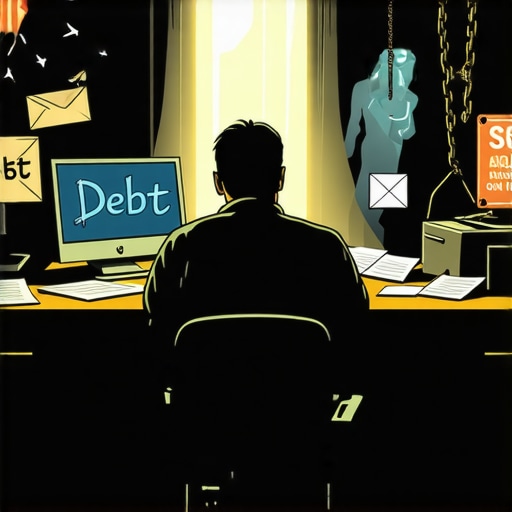
The Truth About Debt Relief Programs and Scams
I remember sitting at my kitchen table, staring at a pile of unopened letters from debt relief companies. Honestly, I felt overwhelmed and a little naive, not knowing who to trust or if I was about to fall into another scam. That lightbulb moment hit me hard: I was pouring my time and hope into offers that promised quick fixes but often led to more trouble. If you’ve ever felt that sinking sensation of curiosity mixed with skepticism about debt relief programs, you’re not alone.
In this post, we’re going to cut through the noise and reveal what you really need to know about debt relief programs and scams—so you can protect your credit and your wallet. Whether you’re drowning in bills or just trying to keep your head above water, understanding the truth can save you from costly mistakes.
Why So Many Fall for Fake Debt Relief Promises
Initially, I made the mistake of jumping at the first shiny promise I saw, thinking it was a shortcut to financial freedom. That was a costly lesson. Many programs prey on our desperation, offering quick solutions that seem too good to be true—and, as the saying goes, usually are. According to the Consumer Financial Protection Bureau, some debt relief scams can leave consumers with destroyed credit, increased debt, or worse, legal trouble.
But here’s the thing: genuine debt management takes time, effort, and a solid understanding. The real key is learning to identify scams from legitimate programs. Think of it like building a house—you need a good foundation before you start choosing paint colors or decorating. We’ll guide you through the essential strategies that work and how to avoid the traps.
Do you feel like you’ve been targeted by deceptive offers, or are you unsure if a debt relief program you’re considering is legit? That’s a common concern, and recognizing these red flags early can make all the difference.
As we move forward, I’ll share proven techniques and insights that can help you regain control—so you can rebuild your financial future, not ruin it. Ready to separate fact from fiction and learn what really works? Let’s dive deeper into the truth behind debt relief programs.
Start with a Clear Debt Breakdown
Gather all your debt statements and organize them by interest rate and balance. Think of this as creating a map before embarking on a journey—knowing where you stand is essential. Remember a time I sat at my kitchen table, overwhelmed by the mountain of unpaid bills. I laid everything out on paper, which gave me a tangible starting point and prevented me from feeling lost amid the chaos. Once you have your debts mapped out, prioritize paying off high-interest debts first, known as the debt avalanche method, which saves you more money over time.
Negotiate for Better Terms
Contact your creditors to negotiate lower interest rates or payment plans. It’s like bargaining at a flea market—you may find room for a discount or more manageable payments. During my own journey, I called my credit card company and requested a lowered interest rate, citing my good payment history. They approved a modest reduction, which reduced my monthly interest significantly. Always approach negotiations politely and be prepared to explain your situation clearly. Creditors often prefer to modify your terms rather than risk losing your repayment altogether.
Leverage Credit Counseling Resources
If managing debts feels overwhelming, credit counseling can be a game-changer. Think of it as consulting a financial coach who helps you strategize effectively. Visit trusted organizations to access personalized advice and develop a realistic repayment plan. I found staying informed about credit counseling secrets very helpful in understanding how to handle my debts without falling into further traps. These professionals can also guide you through consolidating debts or enrolling in repayment programs tailored to your situation.
Rebuild Your Credit Score Step-by-Step
Start by making consistent, on-time payments—this is the cornerstone of good credit. Think of your credit score as a garden; regular care and attention yield growth. I made a point to pay all my bills before their due date, which gradually boosted my scores. For newer credit builders, consider secured credit cards or becoming an authorized user on someone else’s account. Resources like building credit from scratch provide detailed strategies specifically for those starting at zero or rebuilding credit after setbacks. Remember, patience and consistency are key—credit scores improve with time and positive behavior.
Track Progress and Adjust Your Plan
Regularly monitor your credit reports and financial habits to stay on course. Use free tools or services to review your progress every few months. I made a habit of checking my report monthly and documented changes to see what’s working. If an error appears, dispute it immediately; mistakes can drag your score down unnecessarily. For actionable tips on repairing credit swiftly, visit effective credit repair techniques. Adjust your repayment strategies as your financial situation evolves, remaining flexible yet disciplined. Remember, consistent effort today lays the foundation for a stronger financial future tomorrow.Many people fall into the misconception that improving credit scores is solely about quick fixes like disputing every negative item or repeatedly requesting credit limit increases. However, in my experience working with advanced credit strategies, these approaches often overlook critical nuances that can affect your long-term financial health. For instance, some believe that paying off small debts instantly boosts their score—that’s a myth. Solid research from financial experts shows that strategic debt reduction, especially focusing on high-interest accounts, yields better improvements over time, a method detailed in mastering credit-building strategies. Another common misconception is that adding numerous accounts rapidly improves credit mix, but this can actually lower your score due to multiple hard inquiries and new accounts lowering your average account age. Instead, focused credit building involves patience, responsible usage, and understanding the impact of your actions. Moreover, many assume that credit counseling is only for those in crisis, but proactive professionals can help you optimize tactics before problems escalate. Yet, a hidden trap is falling for “quick-fix” solutions like credit repair software or promises to delete collections without addressing root issues—these often violate credit bureaus’ policies, risking further damage. As I often warn in warning about credit repair traps, engaging with legitimate credit counseling and proven techniques ensures sustainable progress. For serious credit improvement, understanding the subtle effects of your financial behaviors and avoiding superficial shortcuts is essential. Have you ever fallen into this trap? Let me know in the comments. Making informed choices now can save you years of frustration and lost opportunities.Maintaining good credit after initial repair is crucial, and the right tools can make all the difference. One of my personal favorites is **Credit Karma**—not just because it’s free, but because it offers real-time credit monitoring and alerts that help me catch any suspicious or unexpected changes early. I check it weekly to stay aware of my scores and any new inquiries, which allows me to react swiftly if needed. Additionally, I rely on **Experian’s CreditWorks** for more detailed reports and identity theft protection—it’s invaluable for long-term credit health. These platforms are user-friendly, accessible via web or mobile, and provide actionable insights rather than just numbers. As technology advances, I believe we’ll see more AI-driven credit management apps that predict score movements and recommend personalized actions, making ongoing credit health more intuitive. To stay on top of your credit, commit to regular review sessions using these tools. How do I maintain credit health over time? My approach combines consistent monitoring, timely dispute of inaccuracies, and strategic credit utilization, all supported by the software I trust. For a proven strategy, consider integrating these tools with the techniques outlined in mastering credit-building. Start by setting weekly alerts to stay informed, and try scheduling monthly reviews of your credit report—it’s a game-changer for long-term success.
3 Surprising Truths I Wish I Knew About Credit Repair and Debt Management
One of the most valuable lessons I learned was how crucial patience is—real credit improvement is a marathon, not a sprint. Impatient attempts at quick fixes often backfire, leading to further damage and frustration. Another realization was that not all credit counseling services are equal; doing thorough research helped me avoid scams and find trustworthy guidance, saving me time and money. Lastly, I discovered that small, consistent actions—like paying bills on time and monitoring my credit report—compound over time into meaningful progress, proving that disciplined habits trump shortcuts every time.
My Go-To Resources for Staying Ahead of Credit Challenges
For ongoing credit management, I rely heavily on proven credit-building strategies. This resource provides comprehensive guidance that is rooted in real-life success stories. I also trust tools like credit counseling insights for smarter debt management, which offer up-to-date tactics to handle debt without falling into traps. When I need a quick snapshot of my credit health, credit monitoring hacks help me stay vigilant and proactive, reinforcing my financial resilience.
Your Next Chapter Starts Today Maybe building credit feels overwhelming now, but remember—your efforts today lay the groundwork for a stronger, more secure financial future. Embrace the process, leverage the right tools, and stay committed to your goals. Every small step counts, and with patience and perseverance, you can turn your credit challenges into a story of success. Don’t wait for perfect conditions—start where you are, and trust that progress will follow.
What’s been your biggest insight or breakthrough in managing your debt or improving your credit? Share your experience below and let’s learn from each other!