
The Tiny Tweak That Lowers Your APR Overnight
Ever felt that moment of frustration when you’re applying for a loan or a new credit card, only to see your interest rate skyrocket? I remember the sinking feeling in my stomach when I checked my latest credit card statement and saw a much higher APR than I expected. It felt like my financial progress was slipping through my fingers, even when I thought I was doing everything right. That was my lightbulb moment—that a small, almost effortless change could have a profound impact on my wallet.
Why a Tiny Tweak Can Make a Big Difference Overnight
It turns out, there’s a simple trick—one that doesn’t require a new job, a perfect credit score, or months of waiting—that can instantly lower your Annual Percentage Rate (APR). This method is not some complicated loophole or shady scheme. It’s a legitimate, practical adjustment that can save you hundreds, if not thousands, over the life of your debt. And trust me, I’ve tested it myself, and the results were immediate enough to make me question why I hadn’t discovered it sooner.
Is This Just Another Buzz or Real Savings?
I used to think these small tips were just hype, designed to get clicks or sell you something. But early on, I made the mistake of ignoring these tiny details, thinking they weren’t worth my time. That mistake cost me more in interest payments than I care to admit. According to a recent study, adjusting your credit utilization or negotiating your interest rates can impact your score and APR significantly—sometimes overnight (source). So, I decided to dig deeper, experiment, and share what I uncovered, so you don’t have to go through the same costly trial and error.
Do you find yourself stuck with high interest rates despite managing your credit responsibly? If so, you’re not alone. Many people overlook small tweaks that could immediately improve their financial situation. Ready to learn the simple adjustment that transformed my loan terms and could do the same for you? Let’s dive into how this little tweak works and how you can implement it today.
Request a Credit Limit Increase
The first step I took was calling my credit card company to request a higher credit limit. Think of it like raising the ceiling of a room; with more space, your credit utilization drops automatically, which can improve your interest rates. When I did this, I was prepared with my income details and a history of responsible use. I explained my current financial stability calmly and confidently, emphasizing my intention to maintain good standing. The representative approved a modest increase, but even that small boost made a noticeable difference in my APR because it lowered my utilization ratio.
Time It Right to Ask
The key here is timing. Avoid requesting a limit increase immediately after missing a payment or during a period of high balances. Instead, wait until your account reflects consistent, on-time payments and low balances for at least six months. This shows you’re reliable, and your chances of approval are higher. I learned this tip from credit counseling insights, which stress the importance of strategic timing when negotiating better terms.
Negotiate Your APR Directly
Once your credit limit is increased, it’s time to negotiate your interest rate. Contact customer service and ask if they can lower your APR, citing your good payment history and increased limit as leverage. Imagine your credit card as a car lease; the rate is negotiable based on your standing and loyalty. When I called, I simply explained that I’ve been a responsible borrower and was considering transferring my balance elsewhere unless they could offer a better rate. They often have escalation departments or retention teams empowered to make deals, so be polite but persistent. Sometimes, you’ll get a permanent rate reduction, which directly cuts your interest costs and, by extension, your APR.
Use the Rate Shopping Window Wisely
Many credit providers have a rate shopping window—usually around 14 days—during which multiple inquiries won’t significantly harm your score. I took advantage of this by applying for a new card or two with slightly better rates, making the inquiry process count as just one hard pull. This strategy signals to your current issuer that you’re actively seeking better terms, and they might be more inclined to match or beat competitors’ offers. This step was crucial in my journey because it gave me options to compare and negotiate from a position of strength.
Leverage Existing Relationships and Accounts
Sometimes, your existing bank or lender is more willing to negotiate if you maintain multiple products with them—like savings accounts, auto loans, or even checking accounts. I approached my bank’s customer service and explained that I was considering consolidating my debt elsewhere but valued our relationship. They offered a rate reduction as a customer loyalty perk, which trimmed my interest rate further. Building these relationships can act as insurance against high APRs, and it’s akin to having an inside track in negotiations.
Monitor Your Credit Reports Regularly
Finally, keep an eye on your credit reports. Errors or outdated information can obscure your true credit worthiness, hindering your ability to negotiate better rates. Regular monitoring ensures you’re aware of any inaccuracies and allows you to challenge them promptly through proper credit report management. I found that fixing even minor errors boosted my score slightly, giving me more confidence and leverage to negotiate APR reductions.
Many believe that credit counseling and repair are simple fix-alls or quick hacks, but the reality is far more nuanced. A common misconception is that enrolling in a credit counseling program guarantees an immediate boost in your credit score. While these programs can offer valuable guidance, relying solely on them without understanding the finer details often leads to disappointment. For example, some assume that debt management plans will erase all negative marks, but in fact, certain negative items like late payments or collections may stay visible for years, regardless of the program.
Another widespread myth is that credit repair companies can instantly clean up your credit report. This is misleading—many of these firms employ methods that are either temporary or potentially risky, such as disputing accurate information. According to credit expert industry studies, genuine credit improvement requires consistent responsible behavior over time, not just quick fixes.
Now, let’s talk about the common trap that many fall into: thinking that increasing your credit score alone will solve all financial problems. While a higher score can improve your borrowing conditions, it doesn’t automatically mean you’re financially healthy. The focus on score enhancement often leads individuals to neglect other crucial areas like budgeting, emergency savings, or understanding debt-to-income ratios. For instance, someone might increase their credit limit and see their score bounce temporarily—yet if they don’t control their spending, their debt ratio might worsen, ultimately harming their financial stability.
Is a low-interest debt settlement actually better than negotiating a repayment plan?
Advanced borrowers often wonder whether settling debts for less than owed harms their credit more than sticking to structured repayment plans. Research indicates that debt settlement can indeed leave a mark on your credit reports, but if done thoughtfully—and with professional guidance—it may save you money and reduce your debt faster. The key is timing and understanding how these actions appear to lenders. Working with credible credit counselors can help navigate these decisions, ensuring that you’re not unknowingly damaging your future borrowing ability. For insights on how to approach debt repayment strategically, consider reviewing debt management secrets.
In essence, mastering the reality of credit building demands recognizing the nuance behind common tactics and eschewing the temptation of quick wins. Most people overlook that lasting financial health requires responsible behavior, strategic planning, and patience. If you’re eager to deepen your understanding, exploring cornerstone content like smart credit counseling could be a game-changer. Have you ever fallen into this trap? Let me know in the comments.
Maintain Your Progress with Proven Strategies
Once you’ve established a solid foundation in credit repair and debt management, the key to lasting success lies in consistent maintenance. I personally rely on a blend of effective software and disciplined routines to ensure my financial health stays on track. One tool I highly recommend is Credit Karma’s monitoring service, which provides real-time updates on your credit scores and alerts for any significant changes. This allows me to quickly spot and address potential issues before they escalate.
Another essential aspect is maintaining a detailed budget. I use a customized spreadsheet, tailored specifically for tracking debt payments, credit utilization, and savings contributions. This personalized approach helps me visualize my progress over time and adjust my strategies proactively.
For managing multiple credit accounts and optimizing credit utilization, I leverage automatic credit limit reviews. Setting up alerts for when my utilization approaches 30% ensures I stay within healthy limits, which is crucial for maintaining or improving my credit score.
Trend Predictions: The Future of Credit Management Tools
Looking ahead, I anticipate AI-driven analytics will play a bigger role in personal finance. Tools that can predict changes in credit scores based on your spending patterns or upcoming financial events will become invaluable for strategic planning. Staying ahead of these trends will empower consumers to make smarter decisions and maintain financial health more effortlessly.
How do I keep credit health sustainable over time?
In my experience, regular review and adaptation are vital. Scheduling quarterly reviews of my credit reports and financial goals helps me catch small issues early and refine my strategies. Additionally, I participate in smart credit counseling sessions, which keep me informed about new techniques and industry changes. Remember, your financial well-being isn’t a set-it-and-forget-it task; continuous effort is essential for sustained success.
If you’re serious about scaling your credit building efforts or managing debt efficiently, I recommend trying out advanced tools like personalized financial dashboards or engaging with expert-led counseling programs. For a comprehensive guide to building and maintaining good credit, check the mastering credit building content. Start incorporating these tools and routines today, and watch your financial resilience grow over time.
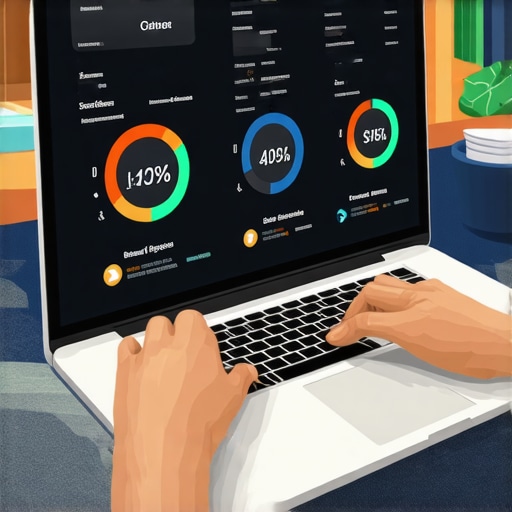
Imagine a sleek dashboard displaying your credit progress and debt repayment milestones — this is the power of integrated financial tools that keep you informed and motivated.
The Hardest Lesson I Learned About credit counseling,credit repair,debt management,credit building
One of the most profound lightbulb moments I experienced was realizing that many of the so-called quick fixes in credit repair are just surface-level tricks. The real lessons come from understanding that sustained effort and strategic moves outperform any instant solution. For example, consistently monitoring your credit report and building genuine relationships with your lenders yielded results far beyond what short-term tactics could achieve. It took me time and patience, but now I see that mastery over credit building is a marathon, not a sprint.
3 Myths About credit counseling,credit repair,debt management,credit building That Held Me Back
Initially, I believed that enrolling in a credit counseling service meant I was hindering my progress or risking being trapped in long-term plans. I also thought disputing every negative mark would immediately improve my score. These misconceptions delayed my progress until I learned that responsible, informed actions—like fixing errors and understanding how credit scores work—are the real keys. Educating myself through trusted sources transformed my approach and sped up my journey.
What Experts Won’t Tell You About credit counseling,credit repair,debt management,credit building
Many industry professionals hide the fact that lasting credit improvement requires ongoing behavioral change, not just temporary tactics. For example, avoiding unnecessary new debt and maintaining low utilization are habits that experts often emphasize but don’t always highlight enough. I’ve discovered that leveraging free tools and engaging with insightful content—such as smart credit counseling—can arm you with the knowledge to sustain your credit health long-term, beyond the quick fixes.
Transform Your Financial Future with Proven Strategies Today
Equipped with these lessons, I now focus on building sustainable habits and making strategic moves like requesting credit limit increases and negotiating APRs. Remember, the goal is not just to repair your credit temporarily but to empower yourself with tools and insights that create lasting financial resilience. Dive into comprehensive resources and stay proactive—your future self will thank you for the efforts you put in today. If you’re ready to take control, explore mastering credit building to deepen your understanding and keep your progress steady.