
The Best Ways to Pay for College Without Debt
I remember the feeling all too well—the panic that struck me when I realized the college bill was bigger than I expected, and my savings were barely enough to cover a fraction. It wasn’t just about paying tuition; it was the weight of looming debt that kept me awake at night, wondering if I’d be shackled to student loans for years. That lightbulb moment—when I decided there had to be a smarter way—changed everything.
Breaking Free from the Debt Trap: Your Path to College Funding Success
Many students and parents fret over how to afford college without drowning in debt. The truth is, there are proven strategies that can help you cover tuition and living expenses while keeping your financial future intact. I’ve personally walked this path, and over the years, I’ve discovered practical techniques, from early savings plans to leveraging scholarships—and more importantly, avoiding common pitfalls that could sink your efforts.
Are you tired of the constant worry about crushing student debt? Do you want to find ways to minimize borrowing and build a strong financial foundation for your future? If your answer is yes, then you’re in the right place. Together, we’ll explore the best ways to fund higher education without sacrificing your financial health.
Is Relying on Student Loans Really Worth the Hype?
One mistake I made early on was thinking student loans were the only way forward. I believed borrowing was an unavoidable part of college—and honestly, it almost became a comfort zone. But the truth is, by not exploring other options, I unnecessarily increased my debt burden. A 2023 report from the Federal Reserve indicates that the average student debt in the U.S. now exceeds $37,000, which can take decades to repay. This sobering fact underscores the importance of considering all available alternatives before taking that first loan.
Now, I want to guide you through effective, real-life methods that have helped countless students and families avoid drowning in debt, so you can walk into college with confidence, not regret. The key is to understand your options, plan early, and be strategic—because college funding isn’t just about what you pay now; it’s about what you save for the future. Up next, we’ll look at some actionable steps you can start taking today to keep your costs low and your options open.
Start Early with a Savings Plan
Back when I first considered college, I began setting aside a small amount from my part-time job weekly. This consistent effort, over time, accumulated into a meaningful fund. To replicate this, open a dedicated savings account and automate deposits whenever possible. The key is consistency—every dollar saved is a step away from debt.
Leverage Scholarships and Grants Wisely
Searching for scholarships felt overwhelming at first, but I quickly learned to focus on those matching my interests and background. Use reputable sites like the college’s financial aid portal or scholarship databases. Apply broadly but strategically—tailoring your applications increases your chances. Remember, scholarships are essentially free money that don’t have to be paid back.
Tip: Keep meticulous track of deadlines and required documents to avoid missing out on opportunities.
Optimize Your Credit Early
Understanding credit can save you thousands. When I got my first credit card, I made small purchases and paid the balance in full each month. This built my credit profile without accruing interest or debt. For newcomers, consider secured credit cards or student credit cards—these are designed to help build credit safely. To learn more about starting from scratch, visit this guide.
Be Strategic with Loans and Debt
Initially, I thought any loan was bad. However, carefully used, student loans can be manageable. Always borrow only what is absolutely necessary and compare interest rates. For instance, federal loans often have lower rates and flexible repayment options. Avoid private loans unless absolutely required—these can carry higher costs and fewer protections.
Tip: Before borrowing, explore all scholarship and grant options to reduce the amount needed from loans.
Establish Credit Responsibly with Utility and Phone Payments
While I didn’t realize it at first, paying utility bills and my cell phone bill on time contributed positively to my credit score. Modern credit bureaus now include utility payments, which can help establish or improve credit. Use this to your advantage by making timely payments—if you struggle, consider tools that report these payments to credit bureaus, ensuring your history reflects responsibility.
Manage and Repay Debt Effectively
When I accumulated a small amount of credit card debt, I prioritized paying higher-interest balances first—a method known as avalanche. This approach saved me money in interest fees and reduced my debt faster. For comprehensive strategies, refer to this resource. Avoid making minimum payments on large balances, as it prolongs debt and accrues unnecessary interest.

Illustration of a balanced budget with savings, scholarships, and responsible credit use, highlighting key elements of debt minimization strategies.
Many assume that simply paying on time is enough to build good credit, but the reality is much more nuanced. One common misconception is that credit scores improve linearly—people often believe that paying a bill late once won’t impact their score seriously. However, studies show that a single late payment can drop your score by 50 points or more, and the impact can linger for up to seven years, especially if it’s a recent event. Understanding how the scoring models work is essential; for instance, FICO scores weigh recent late payments more heavily, so timely payments now can still restore your score over time, but patience is key. A frequent mistake is ignoring the significance of credit mix—having only credit cards or only a loan can limit your score’s growth. Diversifying your credit types responsibly can give your score a boost, but only if managed carefully to avoid overextending. For advanced credit management, consider monitoring your credit report regularly to identify errors or outdated information that can negatively influence your score. Disputing inaccuracies through reputable [credit repair tips](https://counselcredits.com/effective-credit-repair-tips-to-boost-your-score-today) can be surprisingly effective, but beware of scams promising instant fixes. Furthermore, many overlook the importance of credit utilization—keeping balances below 30% is a common recommendation, but recent research suggests that lowering it even further, to below 10%, can significantly enhance your score. Beware of the trap of closing old accounts; while it might seem logical to reduce available credit for simplicity, doing so can shorten your credit history, which adversely affects your score. Maintaining long-standing, responsible accounts is more advantageous than many realize.
An often ignored nuance is the impact of hard inquiries. Multiple applications in a short period can signal risk to lenders, causing temporary dips in your score. Planning your credit applications strategically can mitigate this effect. Advanced consumers also explore authorized user strategies—adding yourself as an authorized user on a well-managed account can quickly boost your score, but only if the account holder maintains an excellent payment history.
Are you making these common credit missteps? Being aware of these hidden details can save you years of effort down the line. For in-depth strategies, visit [building credit from scratch](https://counselcredits.com/building-credit-from-scratch-what-you-need-to-know-in-2025) to learn how to optimize each aspect of your credit profile effectively. Remember, quality over quantity matters—building and managing credit is a marathon, not a sprint. Have you ever fallen into this trap? Let me know in the comments.
How do I maintain my credit-building progress over time?
Consistency is key when it comes to maintaining and improving your credit profile. I personally rely on a combination of specialized software, regular monitoring, and disciplined habits to ensure my credit stays on track. One tool I swear by is Credit Karma. It offers free credit score updates and personalized tips, allowing me to spot potential issues before they become problematic. Additionally, I use credit counseling strategies to stay informed and adapt my approach as the market shifts.
Personally, I also automate payments for credit cards and utilities through my bank’s platform. This minimizes late payments, which can cause sudden dips in your score. Regularly reviewing your credit report is another vital step; I recommend doing this at least quarterly to identify and dispute outdated or incorrect information promptly. For that, I use a reputable service like effective credit repair tips.
Make it last: Tools I recommend for ongoing credit health
Beyond the basics, advanced consumers can benefit from tools like Experian Boost, which incorporates utility and phone bill payments into your credit profile to help lift scores. I’ve seen impressive jumps of 20-30 points after setting it up. Also, consider using a dedicated credit monitoring service like MyFICO; it provides deeper insights into your FICO scores and alerts for any suspicious activity.
Looking forward, the trend in credit maintenance is moving toward more integrated, real-time data reporting. Future tools may include AI-driven insights that adapt recommendations based on your changing financial landscape. As this technology evolves, staying proactive with the right tools will be critical.
How do I keep my credit healthy for the long haul?
Adopt disciplined payment habits, diversify your credit mix responsibly, and leverage monitoring tools to stay informed. For example, I periodically check my credit report for errors and have a setup for automatic payments. This combination keeps my score resilient, even during financial shifts. Moreover, maintaining a small, manageable credit balance and keeping utilization below 10% can give your score a hidden boost.
If you want a more comprehensive strategy, I suggest reviewing mastering credit building resources that detail sustainable practices. Remember, excellent credit is not just about scoring high; it’s about building a reliable financial reputation that serves you for years to come.
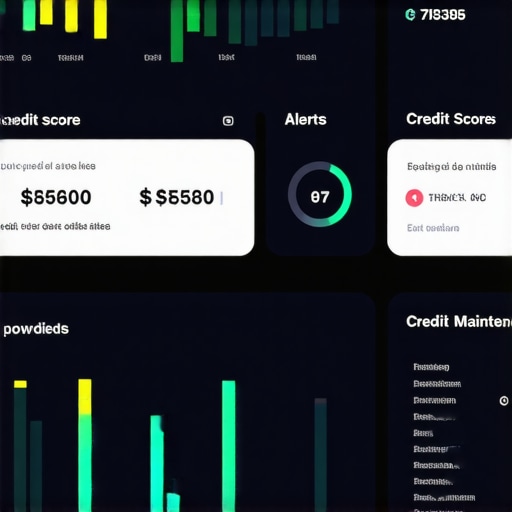
Visual of a digital dashboard showing credit scores, notifications, and monitoring tools tailored for ongoing credit management, emphasizing the importance of regular oversight.
Over the years, I’ve learned that the real breakthroughs often come from those small, personal lessons that aren’t shared in textbooks or guides. These insights have the power to transform your financial future because they stem from lived experience—yours and mine. Embracing these truths can save you years of frustration and money, propelling you toward genuine credit health.
Lessons That Changed My Approach to Credit and Debt
- Not all credit is created equal: I initially believed that any credit score improvement meant I was on the right track. Turns out, understanding the nuances—like credit mix and utilization—made all the difference. Focusing on these details accelerates growth more than just making payments on time.
- Patience is a virtue in credit repair: Rushing to dispute every outdated item can backfire. Sometimes, the best strategy is steady, consistent actions, and knowing when to wait for scores to naturally rebound. It’s a marathon, not a sprint.
- Overborrowing traps you less than overestimating your income: Borrow only what’s essential—every additional dollar borrowed has long-term consequences, so borrowing beyond your means can severely cripple your financial health.
- Building credit responsibly builds trust: Small, manageable credit accounts managed wisely supercharge your profile. It’s less about quick fixes and more about establishing a solid reputation with lenders.
- Regular monitoring prevents surprises: The moment I started checking my report frequently, I caught errors early and avoided costly surprises. Tools like effective credit repair tips can help you stay ahead.
Tools That Accelerated My Credit Journey
- Credit Karma: Free and user-friendly, it offers real-time scores and tips—crucial for ongoing monitoring.
- MyFICO: Provides deep insights into your FICO score, essential for understanding what lenders see.
- Experian Boost: Incorporates utility and phone payments into your credit profile, giving a quick score boost.
- Dedicated credit counseling: Periodic expert advice prevents common pitfalls and keeps you on track.
Seize Your Credit Power Today
Your ability to build and maintain a healthy credit profile is a journey worth investing in. Remember, each small action compounds into a significant, lasting impact. Don’t wait for perfect conditions—start today, and watch your financial confidence grow. The future of your credit success begins now.
What’s your biggest challenge with credit building or debt management? Share below, and let’s tackle it together!
For more detailed strategies, check out this step-by-step guide to initiate or boost your credit profile effectively.