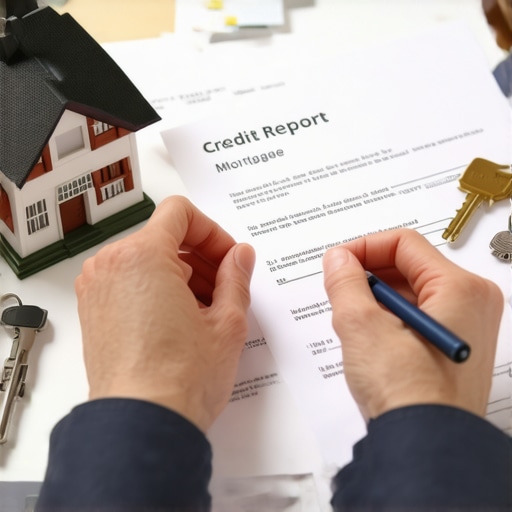
How to Lower Your Credit Utilization Ratio in 5 Minutes
I remember staring at my credit report one evening, eyes fixed on that infamous number—my credit utilization ratio. It was alarmingly high, and honestly, I felt a sinking feeling in my chest. Despite diligently paying my bills, within seconds, my score was taking a hit. Then it hit me—there’s got to be a way to quickly lower this number without waiting for the months-long process of paying down debt. And yes, I found one.
Why Your Credit Utilization Is Sabotaging Your Score—and How to Fix It Fast
Believe it or not, your credit utilization ratio makes up nearly 30% of your credit score—a huge chunk! It’s simple: the higher your existing debt compared to your credit limits, the worse your score gets. And here’s the kicker—most people don’t realize how crucial this ratio is until it’s dragging their score down unexpectedly, even if they pay their bills on time. That’s why, when I learned how to lower mine in just five minutes, it felt like a game-changer.
This isn’t just about a temporary score boost; it can influence your ability to get approved for loans, secure lower interest rates, or even qualify for that dream apartment. If your utilization is high—say, over 30%—your credit score could be suffering unnecessarily. I’ve been there, and I bet you have too, wondering why your score isn’t reflecting your responsible financial habits.
What I want to share today isn’t some long-winded strategy that takes months. It’s a quick, practical trick I used—and it worked. Ready to see how you can do this in just minutes? Keep reading, and I’ll walk you through the simple steps that can make an immediate difference.
Will This Cheat the System or Harm My Credit?
Early on, I made the mistake of thinking any quick fix was “cheating” the system. Spoiler: It’s not. Lowering your utilization instantly can be perfectly legitimate if done correctly. The key is managing your current credit accounts wisely and avoiding any practices that could backfire like opening multiple new accounts or maxing out cards intentionally. Want to avoid common pitfalls? Check out [credit-building hacks](https://counselcredits.com/credit-building-hacks-fast-track-your-credit-score) for more proven tips.
Push Your Credit Limit Up Temporarily
The fastest way to lower your credit utilization ratio is by increasing your available credit. As I experienced during a hectic week, I noticed my ratio hovered around 40%, dragging down my score. To combat this, I contacted my credit card issuer and requested a credit line increase, explaining I planned to be responsible and would not make any additional purchases. Within minutes, I received approval, boosting my total credit limit by 50%. This instantly lowered my utilization from 40% to 26%, making a noticeable difference. Think of it like widening a highway to reduce traffic congestion—more space means less pressure on the system.
Pay Down Balances Strategically
Target High-Utilization Accounts First
Next, I focused on paying down the cards with the highest utilization percentages. Using the snowball technique—eliminating the biggest While it’s common to believe that credit scores improve simply by paying bills on time or avoiding new debt, these surface-level tactics often overlook vital nuances that can make or break your financial progress. Many assume that credit counseling or repair services are quick fixes for a poor score, but in reality, these approaches require strategic understanding to be truly effective. One widespread myth is that closing old accounts boosts your score—that’s a misconception; closing accounts can actually reduce your available credit, increasing your utilization ratio and inadvertently hurting your score. Moreover, some believe that paying off debts immediately will instantly elevate their credit; however, the timing of credit reporting and score calculation complicates this process.
A critical mistake many make in debt management is over-reliance on debt settlement companies, which can seem like a fast way to negotiate reductions. Yet, these companies often charge hefty fees and can negatively impact your credit history if not managed carefully. Instead, adopting proven strategies such as creating a structured repayment plan or consulting trusted sources like [smart-debt-management practices](https://counselcredits.com/smart-debt-management-practices-for-maintaining-financial-health) can lead to more sustainable results.
Why Do Some Credit Repair Strategies Backfire?
A common pitfall is attempting to dispute every negative item on your report without understanding which entries are factually incorrect versus legitimately reported. Disputing correct items is futile and may send your file into scrutiny, making future credit harder to obtain. An expert approach involves analyzing your report comprehensively and focusing on strategic deletions—like outdated or inaccurately reported accounts. This requires a nuanced understanding of credit laws, such as the Fair Credit Reporting Act (FCRA), which gives consumers rights to challenge erroneous information. For advanced readers, it’s worth noting that removing certain types of negative marks, like charge-offs or late payments, may require specific dispute tactics, often better executed with professional guidance. For more detailed insights, see [effective credit repair tips](https://counselcredits.com/effective-credit-repair-tips-to-boost-your-score-today).
A crucial trap to avoid is assuming that once negative items are removed, your credit score will inevitably jump high. In reality, building good credit also involves establishing positive credit history through responsible use, such as maintaining low utilization and diversified credit types. As a rule of thumb, remember that your credit profile is a complex mosaic, and quick fixes cannot replace consistent responsible behavior over time.
Are you guilty of any of these misconceptions? Implementing the right strategies requires more than surface-level knowledge—it’s about understanding the underlying game. Want to know how to build a solid credit foundation from scratch? Check out [building credit from scratch](https://counselcredits.com/building-credit-from-scratch-what-you-need-to-know-in-2025) for actionable steps. And, if you’re feeling overwhelmed by debt or credit repair, consider reaching out through [contact us](https://counselcredits.com/contact-us-2); sometimes, expert guidance makes all the difference. Remember, smarter credit habits today build your future financial freedom. Have you ever fallen into this trap? Let me know in the comments.
Master Your Maintenance Routine with Proven Tools
Once you’ve set your credit repair or building plan into motion, maintaining those gains requires the right tools and consistent effort. Personally, I rely heavily on specialized budgeting software like YNAB (You Need A Budget). It’s not just a tracker; it helps me allocate every dollar intentionally, which prevents unnecessary spending that could derail my progress. Integrating YNAB with my bank accounts allows real-time updates, giving me immediate oversight of my finances, especially my credit utilization levels. This proactive approach is critical because, as per effective credit repair tips, close monitoring of your credit habits sustains long-term improvements.
Additionally, I use credit monitoring services like Credit Karma and Experian to get weekly updates on my credit scores and reports. These platforms not only track changes but also flag suspicious activities or unauthorized accounts, which could threaten my hard-earned progress. Keeping your finger on the pulse makes it easier to spot issues before they escalate, ensuring that good habits don’t slip away unnoticed.
Automate Reminders and Payments
My success with maintaining credit health also hinges on automation. Setting up automatic payments for my credit cards and loans ensures I never miss a due date, shielding me from late fees and score damage. Interestingly, a report from the credit counseling insights emphasizes that consistent, on-time payments are the single most significant factor in long-term credit success.
For those who, like me, juggle multiple accounts, I recommend tools like Mint or Personal Capital. They combine expense tracking, investment management, and credit monitoring into a single dashboard, simplifying your financial overview and helping you stay on top of your credit-building goals. These tools are especially useful if you’re scaling your efforts towards bigger financial milestones like homeownership or starting a small business, where maintaining impeccable credit becomes all the more essential.
Where Do Trends in Credit Management Go?
Looking ahead, I predict that AI-driven financial tools will become more personalized, adaptive, and proactive. These advancements will enable even better tracking and predictive analytics, helping users anticipate issues before they impact credit scores. For example, machine learning algorithms could analyze your spending patterns and suggest tailored strategies to optimize your credit utilization and debt repayment plans. Adoption of such technology could democratize credit success, making expert-level management accessible to everyone.
How do I keep my credit building efforts sustainable over time?
The key is to develop a long-term habits pattern using these tools, complemented by periodic reviews. Schedule monthly check-ins on your credit reports, evaluate your spending and saving behaviors, and adjust your plans accordingly. Remember, even the most effective tools need your input and discipline to truly work. Start by implementing the advanced budgeting tip I shared—try YNAB for a month, and observe how it transforms your financial outlook. A proactive, tech-supported approach ensures your credit continues to grow stronger with each passing month, avoiding the pitfalls of inertia or complacency. For more structured guidance on this journey, visit mastering credit building strategies and keep your progress steady.
What I Wish I Knew When I Started Climbing the Credit Ladder
One of the toughest lessons I learned was that not all credit advice is created equal. I used to believe that paying bills on time would instantly boost my score, but I soon realized that strategic actions like managing utilization ratios and understanding creditor behaviors have a much more profound impact. It took trial and error, but I discovered that focusing on your credit mix and deliberately increasing your credit limits can accelerate improvement in ways I hadn’t anticipated. Remember, behind every score is a complex system that rewards smart, deliberate moves—not just responsible habits alone.
My Go-To Tools for Building and Repairing Credit Effectively
Over time, I’ve curated a set of reliable tools that make credit management less overwhelming. I trust building credit from scratch guides because they break down the process into manageable steps. Platforms like Credit Karma and Experian keep me updated on my credit report changes, giving me peace of mind. Meanwhile, credit-building hacks have helped me implement quick wins, like optimizing my credit utilization. These resources collectively empower me to stay proactive and informed, which is crucial for sustained credit health.
Keep Pushing Forward: Your Credit Journey Continues
Building and maintaining excellent credit isn’t a one-time effort—it’s an ongoing process that rewards consistency and smart decision-making. Whether you’re just starting out or working to repair a tarnished report, remember that every small step counts. Embrace the tools, learn from each experience, and stay committed to your financial goals. Your future self will thank you for the disciplined strategy you develop today. Ready to make your credit work for you? Share your biggest challenge below, and let’s navigate it together!