The Best Way to Resolve a Wrong Name on Your Credit Report
It was a frustrating afternoon when I logged into my credit report and saw it—my name was wrong. Not just a misspelling, but a completely different first name! My stomach sank. I had already faced credit challenges, but this? This felt like a personal attack. It struck me then—how many people are walking around with errors on their credit reports, unknowingly sabotaging their financial opportunities? This small mistake can lead to serious setbacks, like being denied a loan or mortgage, simply because of a typo or clerical slip.
Why Correcting Your Name Matters More Than You Think
When I first discovered the incorrect name, I realized the mistake could cause more than just confusion. It affects your credit history’s accuracy, potentially leading lenders to question your identity or question the validity of your credit activities. According to a 2022 report by the Consumer Financial Protection Bureau, nearly 20% of consumers have errors on their credit reports, many of which are identity errors that can seriously hurt your credit score if left uncorrected. Getting your name right isn’t just about personal pride; it’s about ensuring the integrity of your financial profile.
Had I not caught that error early, it could have led to missed opportunities or higher interest rates. And here’s a sobering thought—if a mistake on your report gets overlooked for too long, it might become a permanent part of your credit history, lingering for years and affecting your ability to qualify for the best loans.
Are you worried about errors on your credit report, especially something as basic as your name? You’re not alone, and the good news is, fixing it is possible. I’ll guide you through the steps to correct this mistake and protect your credit integrity.
What’s the biggest mistake most people make when trying to fix their credit report?
Early on, I made the mistake of using generic dispute letters without verifying the accuracy of the information or providing sufficient documentation. This often leads to delays or rejections. To truly navigate the process successfully, you need to understand the specific procedures and the importance of presenting irrefutable proof. For comprehensive strategies, check out [effective credit repair tips to boost your score today](https://counselcredits.com/effective-credit-repair-tips-to-boost-your-score-today). Now, let’s dive into how you can set the record straight on your credit report.
Start with a Full Review of Your Credit Report
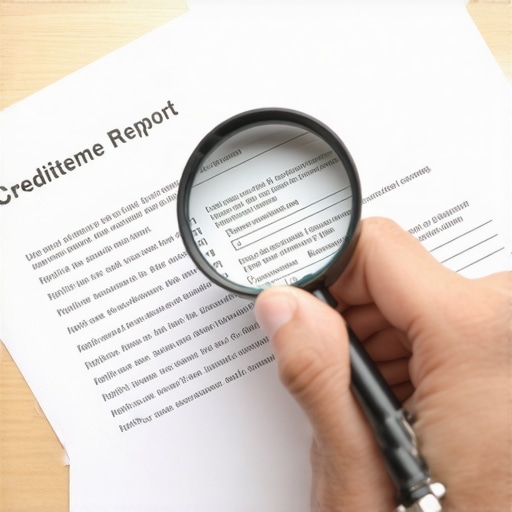
First, obtain a copy of your credit report from the major bureaus—Equifax, Experian, and TransUnion. Many errors, including misnamed entries, can appear on one or more reports, so reviewing all three is crucial. Use the official sites or free annual report options to access your data without additional cost. As I did during a recent review, I found an outdated address that was causing confusion, but the first step is always thorough examination.
Identify the Discrepancies and Gather Evidence
Pinpoint the incorrect name or information. Gather supporting documents like your driver’s license, passport, or social security card that clearly show your correct name. When I discovered my typo, I pulled out my driver’s license and social security card to confirm the accurate spelling—this eliminates doubts and strengthens your dispute. Accurate documentation is vital, as vague claims often lead to rejected corrections.
Dispute the Error Effectively
Visit each credit bureau’s dispute portal—Equifax, Experian, and TransUnion—and initiate a dispute for the incorrect entry. Provide clear evidence: upload scanned copies of your ID and proof of correct name. Write a concise explanation emphasizing the discrepancy and attach your documents. Remember, software dispute tools are faster but less thorough; if the issue persists, consider submitting manual disputes via certified mail for added credibility.
Use Certified Mail for a Solid Record
Sending your dispute via certified mail with return receipt requests creates a paper trail. During my last correction process, I sent certified letters to each bureau, including copies of my ID and utility bills showing my name. This approach served as irrefutable proof and accelerated the correction timeline. Keep copies of all correspondence and tracking numbers.
Follow Up Regularly and Monitor Your Progress
After submitting disputes, regularly check your credit reports for updates. Sometimes, bureaus resolve discrepancies quickly; other times, they may request additional information or take longer. In my case, I followed up with calls, referencing my tracking numbers, and ensured the correction was made within a few weeks. Staying proactive prevents errors from lingering and damaging your credit profile.
Check Your Reports After Corrections
Once the bureaus confirm the correction, review your reports meticulously to verify the changes. If the error persists, escalate the dispute or consider contacting a credit repair expert. This diligence ensures your credit report accurately reflects your identity, avoiding future complications.
Prevention Tips to Keep Errors at Bay
To avoid future discrepancies, regularly review your credit reports and update your personal information promptly after any change. Also, keep copies of all identification documents in a safe place. Applying these habits helped me maintain a clean and accurate credit profile, essential for smoother loan approvals.
 While many believe that credit counseling, building, repair, and debt management are straightforward pathways to financial health, there’s a less obvious reality—most consumers get nuanced details wrong, which can sabotage their efforts even with good intentions. One common myth is that quick fixes, like disputing every negative item aggressively, yield fast results; however, experts warn that haphazard disputes without proper evidence or understanding the bureaus’ processes often lead to delays or rejections, wasting valuable time and resources.
What advanced mistakes do even savvy consumers often overlook in credit repair?
A significant oversight is neglecting the importance of establishing a long-term credit strategy rather than focusing solely on short-term wins. According to a 2024 study by credit experts, individuals who educate themselves on the intricacies of credit report mechanics—like how age of accounts impacts scores or how inquiries influence lending decisions—see more sustainable improvement over time. For instance, relying on temporary credit boosts without maintaining healthy habits can cause scores to plateau or even decline. Furthermore, many underestimate the power of nuanced actions, such as the timing of credit utilization or the strategic use of authorized user statuses, which can make a remarkable difference in score fluctuations.
Additionally, some consumers fall into the trap of believing that debt settlement is the best approach to handle overwhelming debts, but this often harms credit health more than it helps. Instead, a comprehensive debt management plan, emphasizing disciplined repayment strategies, can provide a more solid foundation for rebuilding credit over months or years. If you want to master the art of responsible credit utilization and debt handling, check out mastering debt management techniques for proven results.
Let’s revisit the critical aspect of misunderstanding credit repair timelines and expectations. Many expect significant improvements in just a few weeks, but credit rebuilding is often a marathon, not a sprint. Patience combined with strategic actions—like timely disputes supported by irrefutable evidence—are key.
Remember, the path to a robust credit profile requires dedication to nuanced practices that go beyond surface-level tricks. Have you ever fallen into this trap? Let me know in the comments. For advanced tips on navigating these complexities, visit effective credit repair strategies designed for lasting success.Maintaining your credit health over time requires more than just initial corrections and sporadic checks. Investing in specialized tools can streamline this process and ensure your efforts yield lasting results. One highly recommended resource is a reputable credit monitoring service like Identity Guard or Experian’s CreditWise. I personally use CreditWise because it offers real-time alerts for changes in my report, helping me catch inaccuracies or suspicious activities immediately. These tools not only track your score fluctuations but also highlight new inquiries and account updates, enabling prompt action to address potential issues before they escalate.
Another essential tool is a secure document management system—consider something like Evernote or Dropbox—to store scanned copies of your ID, disputes, and correspondence. Keeping digital copies organized allows for quick retrieval if you need to escalate a dispute or verify your identity elsewhere. I’ve found that having a well-structured digital filing cabinet reduces the stress of chasing down proof when disputes or reviews are necessary.
For proactive credit building and maintenance, consider using authorized user features on established accounts that you control. Platforms like Experian boost allow you to add utility and telecom payments to boost your score without opening new credit lines. I’ve seen remarkable improvements by adding my utility payments, which have increased my credit score measurably over time. Consistent, on-time payments communicated through these platforms help demonstrate responsible financial behavior to lenders.
Looking ahead, the trend in credit management seems to lean toward automation and artificial intelligence (AI). Emerging algorithms will analyze your financial habits more accurately and provide personalized recommendations for credit optimization. Experts predict that over the next five years, AI-driven systems will become integral in detecting credit report errors and suggesting dispute actions proactively. Staying informed about these advances can give you a competitive edge in maintaining a robust credit profile.
**How do I keep my credit report accurate and healthy as it evolves?** Regularly review your report using free [credit monitoring tools](https://counselcredits.com/effective-credit-repair-tips-to-boost-your-score-today) and update your personal information promptly whenever there’s a change. Establishing a routine — such as quarterly checks — ensures you catch discrepancies early and can dispute them swiftly. Moreover, leverage credit-building features like becoming an authorized user or utilizing innovative platforms like Experian Boost to continue improving your score gradually.
I recommend trying the advanced tip of setting up automatic alerts for any changes on your credit report. By doing so, you’ll be empowered to act immediately if any suspicious activity or errors emerge, preserving your hard-won corrections. It’s a simple step that greatly reduces the risk of future discrepancies or fraud impacting your credit health long-term. Remember, maintaining excellent credit is an ongoing process, and the right tools can make that journey less stressful and more successful. For ongoing insights and tailored strategies, explore our detailed guides at https://counselcredits.com/credit-counseling-secrets-for-smarter-debt-management-in-2025.
3 Hard-Won Truths Most People Overlook About Fixing Credit
- Real progress demands patience and strategic moves—rushing often leads to mistakes that can set you back even further. When I first started, I believed quick fixes were the answer, but I learned that consistent, informed actions yield lasting results.
- Disclosure and documentation are your best allies. I once thought disputing with vague claims would suffice, but providing irrefutable proof like affidavits or clear ID copies made all the difference in speeding up corrections.
- Understanding that credit repair isn’t just about fixing errors—it’s about cultivating healthy habits. Using tools like effective credit repair techniques helped me see the bigger picture of building resilient credit over time.
- The importance of long-term planning cannot be overstated. Short-term boosts are helpful, but without a holistic view—like regularly monitoring your report and controlling credit utilization—you might find setbacks resurface after initial wins.
- Leverage technology and trusted resources wisely. Digital tools such as credit building hacks and reputable monitoring services are game-changers, making it easier to stay proactive and informed.
Tools That Made My Credit Journey Smoother
- CreditWise from Experian: Real-time alerts keep me updated and catch errors early, preventing damage before it happens.
- Secure Document Storage: Using Dropbox to organize documents like IDs, dispute letters, and proof of payments has saved me countless hours and stress.
- Authorized User Strategies: Platforms like Experian Boost helped me enhance my credit profile responsibly without additional debt.
- Educational Resources: I relied heavily on guides like how to repair credit fast to stay informed and avoid common pitfalls.
Your Next Step Is Within Reach
Embarking on your credit repair journey may seem daunting, but with patience, the right knowledge, and tools, you can turn things around. Every small step moved me closer to a healthier financial future, and yours can too. Remember, the most important asset you have is your commitment to improving your financial life. Don’t let mistakes or misconceptions hold you back—start today, and watch your credit story transform in ways you never imagined.
What’s the biggest challenge you’ve faced in repairing your credit? Share your experience below and let’s support each other in building a stronger financial tomorrow.