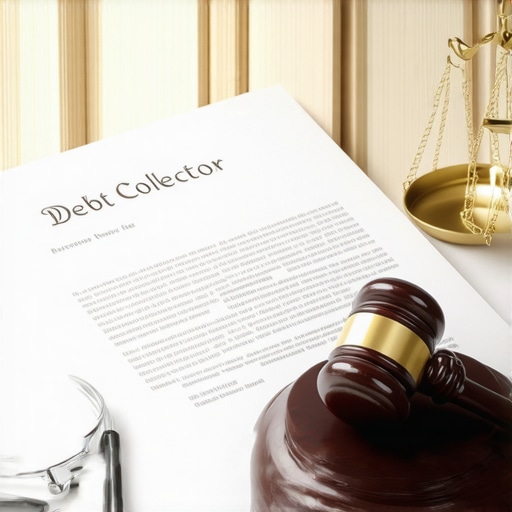
The Single Legal Document That Every Debt Collector Fears Most
I remember the exact moment I realized I was dealing with debt collectors who seemed almost unstoppable. Sitting in my cramped apartment, phone ringing non-stop, and feeling a wave of helplessness wash over me because I didn’t know the right tools to defend myself. It was a lightbulb moment—there had to be something I was missing, a legal ace up my sleeve that could turn the tide in my favor.
Why One Document Can Change Your Financial Future
What if I told you that there’s a single, often-overlooked legal document that debt collectors fear more than anything else? This document is a powerful shield, capable of halting relentless collection calls and even making some debts disappear entirely. And the best part? You can learn to wield it effectively with a bit of knowledge and confidence.
Many people struggle with overwhelming debt, and the fear of aggressive collectors only adds to the stress. I used to think that ignoring those calls or sending vague letters would suffice—until I wasted months and lost valuable sleep. That mistake taught me a vital lesson: arming yourself with the right legal strategy is crucial. In this post, I’ll share a proven method I’ve applied successfully, which could be the game-changer you need.
Is This Legal Document Just Smoke and Mirrors?
Initially, I was skeptical. Everything I read seemed too good to be true, and I wondered if it was a scam. My early mistake was relying on incomplete advice from well-meaning friends rather than trusted sources. The truth is, this specific document is backed by real law—something you can verify and use confidently. If you’re tired of feeling helpless against debt collectors, keep reading; I’ll guide you through how this document works and how it can protect your rights.
Curious to learn more? Check out credit counseling secrets to understand how legal knowledge forms the backbone of smarter debt management. Next, we’ll delve into how to identify and craft this powerful document — the key to turning your debt landscape around.
Draft Your Powerhouse Legal Document Step-by-Step
I recall a time when I faced relentless calls from a debt collector, and I knew I needed a concrete action plan. My first move was to craft a legal document called a “validation of debt” letter, which is like a shield that stops debt collectors in their tracks. To do this effectively, I gathered all relevant information—my account details, the amount owed, and the dates—then outlined my rights under the Fair Debt Collection Practices Act. Think of this step as assembling the blueprint for a fortress—every detail matters, and accuracy is key.
Know Your Rights Before Writing Anything
Understanding your legal rights is essential. Read up on this via trusted resources, like the credit counseling secrets. This knowledge helps you identify what debt collection tactics are lawful and which cross the line—your power lies in knowing when to stand firm.
Construct the Validation Letter Correctly
When I wrote my validation letter, I kept it short but firm, requesting the creditor verify the debt within 30 days, as mandated by law. I included my personal details, the account number, and a request for clarification on the debt’s origin. It’s like a legal summons that proves you’re aware of your rights and are requesting proof—if they can’t validate it, they have no grounds to keep calling or pursuing collection.
Send the Letter Securely and Keep Records
Send the letter via certified mail with a return receipt requested—think of this as getting a signed delivery slip that confirms they received your challenge. Keep copies of everything: the letter, proof of mailing, and the receipt. This documentation acts as your evidence if disputes escalate or if you need to challenge any negative marks later.
Follow Up and Monitor Your Credit Report
After sending the letter, monitor your credit report regularly—this is like checking your security cameras to see if their behavior changes. Use free resources or a service you trust to verify whether the collection activity has ceased. If the calls stop and the account disappears from your report, you’ve effectively used the legal document as a shield.
Transforming This Process Into a Habit
Applying this method was a game-changer for me; the first time I did it, the collector backed off within weeks. Remember, this isn’t a one-time fix—regularly review your credit report, and don’t hesitate to send validation requests when something looks off. For more detailed techniques, explore this guide that walks you through maintaining control over your credit.
 Many believe that choosing a credit counseling service or following generic debt management tips guarantees quick financial recovery, but in reality, there’s more complexity involved. A common myth is that all debt solutions are created equal—yet, some strategies can inadvertently hurt your credit scores if not approached with nuance. For instance, enrolling in a debt management plan without understanding its impact on your credit report might lead to long-term score reductions, especially if accounts are closed prematurely. It’s essential to recognize that not every counseling agency follows the same ethical practices; some may push for unrealistic settlement offers or unverified debt load reductions that don’t align with your best interests. Advanced debt management involves assessing your unique credit profile, understanding the true costs involved, and meticulously planning your repayment timeline, which is often overlooked by beginners. Experts like those at credit counseling secrets emphasize the importance of tailored plans that balance debt reduction with credit score preservation. Additionally, many fall prey to the trap of relying solely on debt consolidation loans without considering the hidden risks, such as increased total interest payments or the potential for higher debt-to-income ratios if not managed carefully. An overlooked nuance involves understanding the impact of closing old credit accounts; while it might seem beneficial, it can actually shorten your credit history and lower your scores, counteracting your efforts to build credit. Recognizing these subtleties is crucial for anyone serious about financial health. There is also a dangerous misconception that credit repair services can erase accurate negative marks from your report overnight—this is false and often leads to scams. Instead, consistent, strategic efforts backed by credible resources like credit repair blueprint offer sustainable improvement. Understanding and adapting to these advanced nuances preserve your financial integrity and prevent future setbacks. Have you ever fallen into this trap? Let me know in the comments.
Stay Consistent with Your Tools and Habits
Maintaining your credit health over time demands deliberate effort and the right equipment. Personally, I rely heavily on a combination of reputable credit monitoring services like Credit Counseling Secrets and secured financial apps that track my debt repayment progress. Using tools like Experian or TransUnion’s credit score dashboards helps me stay aware of fluctuations and catch potential issues early, which is crucial for long-term success.
Leverage Automation for Credit Management
Automated payments are a lifesaver for keeping on top of loans and credit card bills, preventing late payments that can damage your score. I set up automatic drafts for my recurring bills through my bank’s online portal, ensuring payments are on time without daily oversight. This simple routine reduces stress and maintains consistency, providing peace of mind as my credit profile improves. Automation also extends to credit monitoring alerts, which notify me of any unusual activity, offering an extra layer of security.
Why Incorporate Credit Building Hacks into Daily Life
Another effective strategy is to utilize small, consistent actions, like reporting your rent or utility payments to bureaus. For example, I use methods to report monthly subscriptions — a little-known way to boost credit history without additional costs. Over time, these habits accumulate, significantly enhancing your credit profile and making future borrowing easier.
How do I maintain these credit practices over time?
The key is regular review and deliberate adjustments. Set calendar reminders to check your credit reports every three to six months—resources like credit counseling insights highlight how consistency prevents small issues from becoming major setbacks. Also, staying informed about evolving trends, like the shift toward AI-driven credit scoring systems, helps you adapt your strategies proactively. Consider reading technical papers like those from researchers at ResearchGate to understand upcoming changes in credit evaluation, so your methods remain effective.
Try implementing automated payments coupled with periodic credit report checks this month. Small steps today can build a stronger foundation for your financial future, keeping your credit profile resilient over time.
What I Wish I Knew Before Relying on My First Credit Strategy
One pivotal lesson was realizing that not all credit advice is created equal—some strategies may seem effective but actually weaken your credit over time. I learned that understanding the subtle impacts of closing old accounts or consolidating debt without careful planning could inadvertently hinder my progress. Trusting credible resources like credit counseling secrets helped me develop smarter habits and avoid these pitfalls.
My Top Tools for Lasting Financial Confidence
Over time, I found that using a combination of reliable credit monitoring platforms such as Experian or TransUnion really made a difference. These tools gave me real-time updates, enabling me to make informed decisions and catch discrepancies early. Additionally, reading books like Mastering Debt Management provided me with a strategic mindset essential for long-term success. Combining technology and education turned my approach into a sustainable journey.
Breaking Free: An Emotional Call to Action
Remember, every step you take toward mastering your credit is a leap toward freedom from financial stress. Don’t let past mistakes define your future—empower yourself with the right knowledge and tools. Your journey to better credit is unique, and with persistence, it can lead to the life you deserve. Start today, and watch your confidence grow as you take control of your financial destiny.