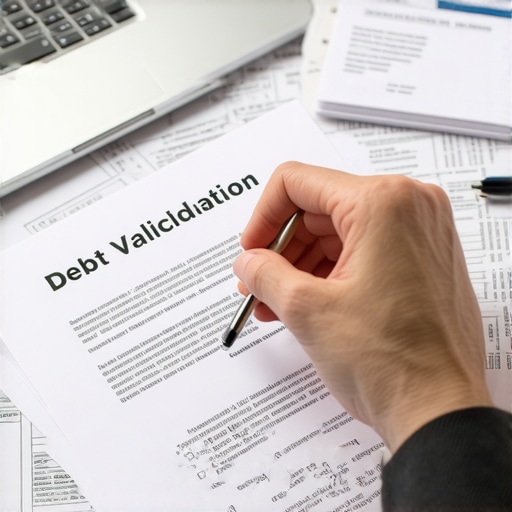
How to Spot a Fake Debt Validation Letter
I remember the moment I almost fell for a fake debt validation letter. It looked so convincing—official letterhead, legal jargon, and even a legitimate-sounding debt amount. But something didn’t sit right. That sinking feeling in my gut made me double-check, and thankfully, I caught the deception before it did any damage. If you’ve ever received a letter claiming you owe money, only to wonder if it’s real or a scam, you’re not alone. Many people find themselves confused and vulnerable, especially when scammers have become masters at mimicking official documents. In today’s post, I’m going to help you learn how to **spot a fake debt validation letter**, so you can protect your credit score and financial peace of mind.
Why is it so easy to get duped by fake debt letters?
Common pitfalls and early mistakes I made
The truth is, I used to believe all those official-looking letters at face value. I thought, “If it’s in writing, it must be legit.” But I learned the hard way that scammers are increasingly sophisticated. An early mistake I made was trusting a letter that claimed I owed a debt from years ago, which I knew I didn’t recognize. I almost called the number provided, thinking it was my last chance to settle. That was a wake-up call. I later discovered that many of these scam letters are designed to trigger fear and confusion, compelling victims to pay debts they don’t owe or reveal sensitive information. It’s crucial to approach these letters with a healthy dose of suspicion and knowledge.
What makes this even more critical is that the **Federal Trade Commission reports** that consumers lose thousands annually to debt collection scams—it’s no small issue. You can learn more about your rights and the legal landscape by visiting their [official resource](https://consumer.ftc.gov/articles/debt-collection).
In the next sections, we’ll dive into practical techniques to distinguish authentic debt validation requests from bogus ones. Mastering this skill not only protects your finances but also keeps scammers at bay, ensuring your credit report remains accurate and secure. Ready to become a pro at spotting fake debt letters? Let’s get started!
Inspect the Official Look Carefully
Start by examining the letter’s layout, font, and overall presentation. Fake letters often have subtle inconsistencies, such as blurry logos or mismatched colors. Remember, scammers mimic official documents convincingly, but tiny discrepancies reveal their true nature. When I received a suspicious letter, I closely examined the letterhead and noticed the font wasn’t consistent with the company’s usual branding. That small detail set me on the right path and prevented a potential scam.
Verify Contact Information and Links
Always cross-check the contact details provided. Visit the official website of the debt collector directly—never use the contact info on the letter. Hover over links to see if they direct to legitimate sources. In my case, I received a letter claiming to be from a well-known collection agency but with a suspicious web address. I directly visited the company’s official site and found no record of the debt. This step helped me avoid falling for a phishing trap.
Request Debt Validation Repeatedly
Legitimate debt collectors are required by law to validate the debt upon request. Send a written request for validation via certified mail, keeping a copy for your records. When I doubted a letter, I sent such a request and received a detailed validation letter that included my name, the creditor’s information, and the original account details. This consistent verification acts as a shield against scams and ensures you only deal with genuine debts.
Check Your Credit Reports Regularly
Review your credit reports from all three bureaus—Equifax, Experian, and TransUnion—at least once a year. Look out for unfamiliar accounts or inquiries that could indicate fraudulent activity. I found an unfamiliar account during my review, which prompted me to dispute it immediately. By routinely monitoring, you catch scams early before they can damage your credit score.
Utilize Credible Resources for Confirmation
Use trusted sources like the Federal Trade Commission or your state’s attorney general to verify the legitimacy of debt collection practices. Look up sample validation letters and scam alerts. I visited the FTC website and found detailed checklists verifying what a valid debt validation letter must contain. Comparing my received letter against these guidelines clarified its authenticity.
Stay Educated on Common Scam Tactics
Scammers constantly evolve their methods. Stay informed about recent scams by subscribing to credible financial news or blogs. The more you know, the better you can recognize red flags. I subscribe to a credit counseling blog and learned about common signs of fraudulent debt letters, which sharpened my instincts when I received suspicious communications.
Seek Professional Help If Unsure
If you’re still in doubt, consult a reputable credit counselor or legal advisor. They can help you analyze the documents and advise on next steps. After a confusing letter, I reached out to a credit counseling service, which confirmed the letter was a scam, saving me from unnecessary stress and potential financial loss.
Many people believe that credit counseling and repair are quick fixes or even unnecessary steps, but in reality, there’s a lot of nuance that often gets overlooked. One widespread myth is that enrolling in a credit counseling program guarantees immediate improvement in your credit score. While professional guidance can be invaluable, the effectiveness depends on your commitment and the specific strategies employed. For instance, some providers might push debt management plans that don’t align with your financial goals, leading to frustration rather than progress. It’s crucial to understand the methods used and to choose reputable counselors who prioritize transparency and tailored advice, such as those found in our [credit counseling insights](https://counselcredits.com/credit-counseling-insights-unlock-your-path-to-better-credit).
Another common misconception is that credit repair agencies can instantly delete negative items from your report. This is far from true and can lead you into scams if you’re not careful. Reputable services focus on disputing inaccuracies, which are documented errors or outdated information, rather than removing legitimate debts—a process supported by law and detailed in our [ultimate credit repair blueprint](https://counselcredits.com/the-ultimate-credit-repair-blueprint-for-2025). If you’re considering credit repair, understanding the difference between errors and valid entries is essential.
Most people also assume that paying off all debt immediately will boost their credit scores overnight. In some cases, paying off high balances can temporarily lower your score due to changes in your credit utilization ratio. It’s a subtle nuance, but one that can catch individuals off guard. Strategic debt repayment, like paying down accounts just below the 30% utilization threshold, can be more effective—something we cover thoroughly in our [effective credit repair techniques](https://counselcredits.com/effective-credit-repair-techniques-for-a-fresh-financial-start).
For advanced readers questioning how credit-building strategies adapt over time, it’s important to recognize that credit scoring models are constantly evolving. Factors like your payment history, length of credit history, and recent inquiries all interplay dynamically. Relying solely on outdated advice can hinder your progress. Staying informed through credible sources and regularly reviewing your credit report can help you stay ahead. Remember, as experts highlight, the key is in customizing your approach rather than following generic advice blindly.
Avoid the trap of oversimplification—credit management is a marathon, not a sprint. Overlooking the detailed mechanics behind credit scoring and the legal rights you have can lead to costly mistakes. Want to learn more? Check out our comprehensive guides on [building credit from scratch](https://counselcredits.com/building-credit-from-scratch-what-you-need-to-know-in-2025) and [mastering debt management](https://counselcredits.com/mastering-debt-management-proven-strategies-for-financial-freedom). Have you ever fallen into this trap? Let me know in the comments.Maintaining your credit health over the long term requires more than just knowledge; it demands the right tools and disciplined routines. One of my favorite methods is leveraging **credit monitoring services** like Credit Sesame or Experian’s free report tracking. I personally use Experian because it offers real-time alerts whenever there’s activity on my report, allowing me to spot suspicious changes immediately. This proactive approach helps me prevent minor issues from snowballing into significant credit score damage. Additionally, I rely on budgeting apps such as You Need a Budget (YNAB), which syncs with my bank accounts and provides detailed insights into my spending habits, ensuring I stay within limits that protect my credit utilization ratio.
For credit building, I swear by using secured credit cards—specifically those that report to all three bureaus like Discover it Secured. I regularly make small, manageable purchases and pay the balance in full each month, which steadily builds my credit profile without risking overspending. It’s critical to automate these payments using your bank’s auto-pay feature or through the credit card’s billing setup. This consistency plays a significant role in maintaining and improving your credit over time.
Looking ahead, I believe the future of credit management will be influenced heavily by AI-driven tools that analyze your financial behavior in real-time and suggest personalized strategies—like predicting the optimal time to apply for new credit or advising when to pay down specific accounts. As these technologies evolve, they’ll become invaluable for maintaining a healthy credit footprint with minimal effort.
**How do I keep my credit in shape over the years?** Firstly, I review my credit report at least once a quarter, utilizing resources like the [FTC’s credit rights guide](https://consumer.ftc.gov/articles/debt-collection) to stay informed about my rights and ensure accuracy. I also set reminders to dispute any inaccuracies as soon as I notice them—using the process outlined in our [effective credit repair techniques](https://counselcredits.com/effective-credit-repair-techniques-for-a-fresh-financial-start). Finally, I keep a dedicated savings buffer with an emergency fund, which lessens the temptation to rely on credit for unforeseen expenses, thereby reducing the risk of late payments and high balances.
To boost your long-term results, I recommend trying the **automatic payment setup for your debts and utilities**. This simple step guarantees timely payments, preventing late fees and protecting your credit score. Plus, it reduces stress and simplifies your financial life.
Remember, the key is discipline coupled with technology. Make a habit of regularly checking your report, automating payments, and staying informed about your credit rights. By doing so, you’ll create a resilient financial foundation that withstands changes over years or decades and scales with your evolving needs.
The Hardest Lesson I Learned About credit counseling,credit repair,debt management,credit building
Trusting official-looking documents without verifying can be a costly mistake. I realized that scammers often mimic legitimate formats, making it easy to be deceived if you’re not vigilant.
3 Myths About credit counseling,credit repair,debt management,credit building That Held Me Back
Believing that credit repair happens overnight or that credit counseling is unnecessary delayed my progress. Dispelling these myths helped me adopt sustainable strategies for long-term financial health.
What Experts Won’t Tell You About credit counseling,credit repair,debt management,credit building
Many professionals emphasize that continuous monitoring and education are key. Relying solely on quick fixes is misleading; genuine credit improvement requires ongoing effort and awareness.
My Essential Toolkit for credit counseling,credit repair,debt management,credit building
I trust tools like Experian’s free credit report services and budgeting apps like YNAB because they provide real-time insights and help me stay disciplined. These resources have been instrumental in my credit journey.
Where to Go from Here
Start by regularly reviewing your credit reports, requesting debt validation when in doubt, and staying informed through reputable sources like the FTC. Remember, building and maintaining solid credit is a marathon, not a sprint. Keep learning, stay vigilant, and take action—your financial future depends on it.
Your Turn to Try
Have you ever encountered a suspicious debt letter? How did you handle it? Share your experiences below and let’s learn from each other’s journeys toward smarter credit management.