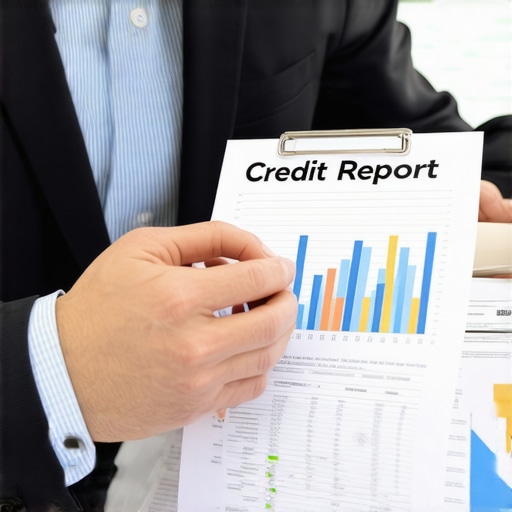
The Move That Fixes Your Credit Mix Score
I remember the exact moment I realized my credit score was holding me back more than I had expected. It was a sunny Saturday afternoon when I tried to secure a simple car loan, and suddenly, I noticed my application was denied. Frustrated and a little embarrassed, I started digging into why my credit score wasn’t where I wanted it to be. That’s when I stumbled upon a game-changing strategy that I wish I had known earlier — a move that significantly improved my credit mix and, in turn, my financial opportunities.
The Power of Your Credit Mix and Why It Matters
What I discovered early on is that lenders look beyond just your total score. They analyze your credit mix — the variety of credit accounts you hold, like credit cards, student loans, auto loans, and mortgages. A healthy mix shows lenders you’re capable of managing different types of debt responsibly, which can boost your score and improve your chances for better loan terms.
However, many people overlook this crucial aspect. They focus solely on paying down debt or disputing negative marks without considering how adding or managing different credit types can make a real difference. I was in that boat for a while, and my score stagnated, despite my efforts.
Fortunately, I learned that a strategic move involving your credit mix can work wonders. By responsibly adding a mix of credit accounts, or even adjusting existing ones, you can demonstrate financial diversity that appeals to lenders. For example, adding a secured credit card or becoming an authorized user on a trusted account provided a boost I desperately needed.
If you’re feeling stuck or unsure where to start, I recommend checking out proven strategies to fast-track your credit improvements — like those outlined in this guide. Taking proactive steps today can open doors to better rates and more financial control tomorrow.
Is the Credit Mix Really Worth the Hype?
Early in my journey, I made the mistake of focusing only on paying off debts, thinking that would be enough. I didn’t realize that my credit mix wasn’t diverse enough to show lenders I could handle different types of credit responsibly. Experts warn that neglecting this aspect can leave your score stagnant, even if you’re managing one or two accounts well. Having a balanced credit profile is essential for optimizing your score — more than most people realize.
If you’ve ever faced similar frustrations or wonder whether this tactic could work for you, you’re not alone. The good news is that with a bit of strategic planning, you can turn your credit profile around. Ready to explore how? Let’s dive into the practical steps that can make a real difference in your financial life.
Adding Diverse Credit Types Strategically
Start by evaluating your current credit profile using free credit reports from reputable sources; identify gaps like the absence of installment loans or credit cards. If you only hold a couple of credit cards with high balances, consider responsibly opening a secured credit card to diversify your credit mix—ensure you pay on time and keep utilization low to avoid negative marks. For example, I once obtained a secured card, making small purchases and paying in full each month, which gradually improved my score. To understand the importance of a varied profile, review this guide. Attempting to add a different type of credit signals to lenders that you’re capable of managing various financial obligations responsibly, much like adding different tools to your toolkit makes you more versatile and prepared.
Timing and Responsible Management of New Accounts
Don’t rush to open multiple accounts at once; instead, space out applications to avoid triggering multiple hard inquiries, which can temporarily ding your score. When you apply, do so during periods when your credit report is in a healthy state—e.g., after paying down existing debts. I learned this firsthand during my last credit boost; I applied for a small installment loan after several months of consistent on-time payments on my credit card, which helped me demonstrate reliable management of different credit types. Remember, each new account can impact your average account age, so open new accounts cautiously and only when necessary. For detailed insights, check this resource.
Managing Existing Accounts to Sustain a Healthy Mix
Review your current accounts regularly and consider closing outdated or inactive accounts only if they don’t impact your average age or usage. Keeping older accounts open improves the length of your credit history, which benefits your score, especially if they are managed well. I kept my first credit card open for over a decade, even when not using it frequently, because closing it would have shortened my credit history and potential scoring benefits. Focus on maintaining low utilization rates on your active accounts, paying balances in full, and avoiding maxing out cards, which signals responsible management. If you struggle with managing multiple accounts, exploring this step-by-step guide can help establish better habits.
Consistent Payments as the Core of Credit Optimization
Ultimately, the cornerstone of a strong credit mix is timely payments. Automate payments or set calendar reminders to ensure you never miss a due date. I personally scheduled automatic payments for my auto loan and credit cards, preventing late fees and negative impacts. This disciplined approach also influenced my credit score positively. Remember, lenders value consistency and reliability; your payment history accounts for a significant portion of your score. To refine your payment habits, review these effective tips.
Monitor Your Progress and Adjust Accordingly
Regularly track your credit report (at least quarterly) to see how your actions affect your credit mix and score. Dispute any inaccuracies promptly, and be cautious with new credit applications to avoid unnecessary inquiries. If your score stalls, revisit your credit profile, identify any weak spots, and adjust your strategy—possibly adding another type of credit or paying down existing balances to improve utilization. I found that by maintaining diverse credit accounts and managing them responsibly, my score gained a measurable boost within months. Continuous oversight ensures that your credit mix remains balanced and beneficial over the long term. For ongoing tips, explore this comprehensive strategy.Many people assume that paying off debts or following basic credit advice guarantees financial health, but in my experience, there’s a hidden layer of nuance that often trips up even the most diligent efforts. A common myth is that increasing your credit limit always boosts your score; however, if not managed responsibly, higher limits can lead to temptation and increased utilization, ultimately hurting your credit. This misconception can cause *oops* moments—like overspending under the illusion of safety, only to face higher balances and potential score penalties. To navigate this tricky terrain, it’s essential to understand that credit management isn’t just about paying bills on time but also about strategic behavior, such as timing your credit inquiries and balancing your credit mix wisely. For deeper insights, I recommend exploring this guide on smart credit tactics.
Is There Such a Thing as ‘Good’ Debt?
Many believe all debt is inherently bad, but the reality is more complex. Sustainable, well-structured debt—like a mortgage or student loan—can serve as a tool for building credit when managed responsibly. The key is understanding the *benefits* versus the *risks*, especially since some debts might quietly harm your profile if misused. According to financial experts, such as those at Buffer, strategic debt can enhance your credit diversity, but only if you’re consistent and avoid accumulating unnecessary high-interest liabilities. This underscores that debt management isn’t solely about reduction but about *optimization.* Be cautious of the trap where chasing a zero-debt scenario leads to closing older accounts or avoiding new credit altogether, which can lower your credit longevity and hurt your score.
Have you ever fallen into this trap? Let me know in the comments.
Venture further into advanced strategies by reviewing effective credit repair tips or discover how to refine your approach with mastering credit-building techniques. Remember, navigating the nuances of credit isn’t about quick fixes but about layered, informed actions that set you up for long-term success.
How do I maintain my credit-building momentum over time?
Staying on top of your credit health requires more than just initial effort; it demands consistent maintenance using the right tools and methods. Personally, I rely heavily on a combination of a reliable credit monitoring service and a dedicated budgeting app to keep my financial progress on track. These tools give me real-time insights into my credit report and help me spot potential issues before they become major setbacks.
One essential service I use is credit monitoring solutions that track changes to my report and alert me of any unauthorized activity or inaccuracies. This immediate feedback loop acts as an early warning system, enabling me to dispute discrepancies swiftly, leveraging strategies outlined in this guide. Staying proactive in correcting errors preserves my score and prevents minor issues from spiraling into bigger problems over time.
For managing monthly expenses and maintaining responsible credit utilization, I use a budgeting app that connects directly to my bank accounts. This helps me allocate funds precisely and avoid overspending on credit cards, which can negatively impact my score. Tools like Mint or YNAB are excellent options because they provide customized alerts and goal tracking, making it easier to stay disciplined. According to a recent analysis by Counsel Credits, consistent habit formation supported by such tools directly correlates with long-term credit health.
Moreover, automating bill payments whenever possible ensures timely payments, a cornerstone of a good credit history. Setting up automatic payments—especially for recurring bills—eliminates the risk of late payments, which are among the most damaging elements to your credit profile. I personally schedule automatic payments for my credit cards and loans, using my bank’s online platform, which has significantly reduced my stress and improved my score stability.
Looking ahead, financial technology continues to evolve rapidly, and emerging AI-driven tools promise even more personalized advice and alerts. Experts predict that integrating machine learning into credit management will help individuals stay ahead of potential pitfalls and optimize their credit profiles with minimal effort. Keeping an eye on these advancements, and adapting your toolbox accordingly, can provide a substantial advantage.
What practical steps can you take today to keep your credit healthy?
Start by reviewing your latest credit report to catch errors or outdated information using trusted monitoring services. Then, set automatic payments for all your bills to avoid late fees and score dents. Additionally, consider installing a budgeting app to monitor and control your spending, ensuring your credit utilization remains low and manageable. Remember, staying vigilant and proactive is the key to long-term financial success.

Image prompt: A person reviewing their credit report on a laptop with colorful financial charts displayed, representing proactive credit management; alt text: Person analyzing credit report on laptop; title: Effective Tools for Maintaining Your Credit Health.
Throughout my journey to improving my credit, I stumbled upon surprising truths that many overlook. One of the most impactful lessons was realizing how essential a diverse credit mix truly is — not just paying down debt but strategically managing different types of credit can unlock opportunities I never thought possible. I also learned the importance of timing when opening new accounts; patience and responsible behavior outweigh rushing to boost scores. The greatest revelation was understanding that sustainable credit health is an ongoing process, requiring vigilant monitoring and disciplined management, rather than quick fixes. These insights transformed my approach and can do the same for you, helping you build a resilient financial foundation that stands the test of time.