Why You Need a Credit Freeze Right Now
I remember the exact moment I realized my credit was at risk. It was a lazy Sunday afternoon, and I was casually checking my credit report when I noticed unfamiliar accounts, dates I’ve never seen, and a sneaky decline when I tried to apply for a loan. My stomach sank. That gut punch was a wake-up call — and it made me question how vulnerable I really was.
Protect Your Credit Like Your Finances Depend on It — Because They Do
That experience was my turning point. I learned the hard way that proactive measures can save you a mountain of stress, money, and time. Today, I want to share how a simple step — activating a credit freeze — can be your best defense against identity theft, credit fraud, and unexpected financial chaos. Trust me, it’s not just a techy tactic; it’s personal insurance for your financial health.
Is a Credit Freeze Worth the Hassle or Just Another Fad?
Back when I first heard about credit freezes, I was skeptical. I thought, “Is this really worth the effort?” Honestly, I made the mistake early on of ignoring potential signs and thinking I wouldn’t be targeted. But according to the Federal Trade Commission, the incidence of identity theft increased by 15% last year alone — some reports suggest that half of all fraud cases could have been prevented with proactive steps like a credit freeze. Ignoring this simple safeguard was a costly oversight I wish I hadn’t made.
Now, I understand the importance of barriers that slow down or stop identity thieves cold. And a credit freeze acts as a digital lock on your credit reports, preventing new accounts from being opened in your name without your consent. In our next sections, I’ll walk you through the compelling reasons why a credit freeze isn’t just a good idea—it’s a necessary shield for your financial future. So, if you’ve ever faced the scramble of credit fraud or the nightmare of stolen identities, keep reading. Because today, we’re taking action together to safeguard what’s yours.
,
Lock Down Your Credit in Simple Steps
Activating a credit freeze might seem technical at first, but with a clear plan, you can do it quickly and confidently. I remember the first time I froze my credit—initially, I fumbled through some websites, clicked around, and almost gave up. But once I cracked the code, it became a straightforward process that took less than 15 minutes. Here’s how you can replicate that success.
Gather Your Personal Information
Before starting, ensure you have your Social Security number, date of birth, proof of identity (like a driver’s license or passport), and utility bills or bank statements with your current address. This data is essential because credit bureaus verify your identity to prevent unauthorized access. Think of this step as collecting the keys to your digital safe; without these, the door stays shut.
Choose Your Credit Bureaus Carefully
In the U.S., there are three main credit bureaus: Experian, TransUnion, and Equifax. Activating a freeze separately with each ensures comprehensive protection. I recommend visiting each bureau’s official site via trusted links—avoid third-party sites to prevent scams. For example, if you decide to freeze your credit with Experian, go directly to Experian’s freeze page and follow their prompts.
Contact the Credit Bureaus
Most bureaus offer multiple ways to activate a freeze: online, by phone, or by mail. Online is fastest; call if you prefer speaking to a representative. When I did mine by phone, I kept a detailed record of the confirmation number for future reference. The process involves verifying your identity by answering security questions, then providing your personal info. Think of this as sharing the secret code that grants access—security is tight, but manageable.
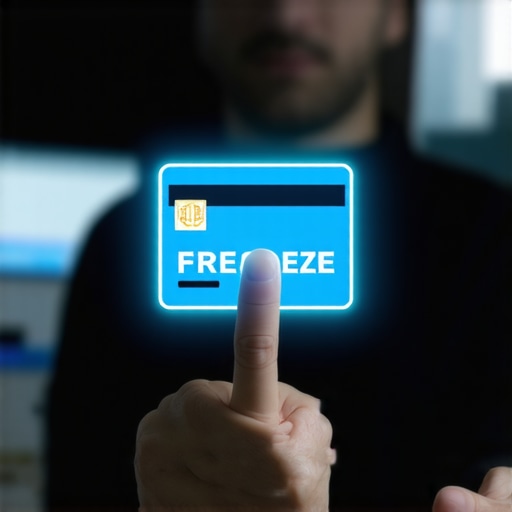
For instance, when I called TransUnion, I prepared my documents, answered verification questions, and received an immediate PIN code. That PIN was my key to unfreezing or refreezing my credit whenever needed.
Implement Your Freeze and Keep Records
Once the bureaus confirm the freeze is active, store the PINs or passwords securely. This is your shield, preventing new accounts from being opened without your approval. I recommend using a password manager or encrypted notes. Remember, this isn’t a one-time task; regularly review your credit reports to ensure no unauthorized activity slips through. Think of the freeze as a vigilant guard stationed at your credit report’s gate, standing watch so you don’t have to worry about sneaky fraudsters.
Monitor Your Credit Regularly
Activating the freeze is a powerful step, but ongoing vigilance is key. Use free annual credit report checks or subscription services to stay informed. I’ve found that reviewing my reports monthly, especially after vital financial transactions, helps catch discrepancies early. Combining a credit freeze with consistent monitoring creates a robust safety net—think of it as locking your doors and setting up security cameras around your house.
By following these core steps, you shield yourself from many common forms of credit fraud. It’s a liberating feeling, knowing your credit is protected from unauthorized inquiries or account openings. This proactive approach is a cornerstone of effective credit protection—learn more about effective credit repair tips to enhance your financial health further.
Many believe that simply paying their bills on time or closing old accounts will dramatically improve their credit scores. However, these misconceptions often lead to less-than-optimal results. For instance, while on-time payments are crucial, experts like those behind effective credit repair techniques emphasize that credit utilization and account age play even more significant roles. Rushing to close long-standing accounts, thinking it will boost your score, can actually backfire by reducing your average account age, which impacts your creditworthiness.
A common myth is that credit counseling can instantly fix your credit problems. In reality, many mistakenly believe debt management plans are quick fixes. Instead, effective credit counseling is a strategic process that requires patience and consistent effort. As outlined in credit counseling secrets, understanding your spending habits and developing a long-term plan is key.
Now, let’s address a popular misconception about credit repair: that disputing every negative item on your report will rapidly raise your score. This oversimplifies the process. In fact, disputes should target inaccurate or outdated information. Unnecessary disputes can flag your account for suspicious activity, potentially harming your credibility rather than helping it. As highlighted by expert insights, a selective and evidence-based approach yields better results.
What about debt management? Many think consolidating all debts into a single loan is always advantageous. But consolidations can sometimes extend your repayment period or increase total interest if not carefully managed. It’s essential to compare options; sometimes, a structured repayment plan might serve you better than a simple debt consolidation, especially if you avoid making payments on high-interest credit cards impulsively. You can explore proven strategies for smart debt management.
Digging deeper, a critical nuance in credit building is recognizing the importance of credit mix. Many overlook that a diverse credit portfolio — combining credit cards, installment loans, and other types — demonstrates responsible management across different credit forms. This nuance, often missed by novices, can add valuable points to your credit profile.
Lastly, beware of the trap of focusing solely on credit scores rather than overall financial health. Improving your score is beneficial, but it should be part of a comprehensive financial strategy that includes saving, investing, and managing expenses. If you’re unsure where to start, comprehensive guides like building credit from scratch can offer clarity.
Have you ever fallen into this trap? Let me know in the comments. Remember, understanding these hidden nuances and myths can save you time, money, and frustration, making your journey towards better credit more effective and less stressful.
Keep Your Credit in Top Shape with the Right Tools
Managing credit is an ongoing process that requires reliable tools to stay on track. Personally, I rely heavily on a combination of secure password managers like LastPass and dedicated credit monitoring services such as IdentityForce. These platforms not only safeguard my sensitive information but also alert me instantly to any suspicious activity, which is essential for maintaining long-term credit health.
Over time, I’ve found that integrating a budgeting app like YNAB (You Need A Budget) with my credit management approach helps me keep tabs on my spending habits and ensures I don’t overextend myself—reducing the risk of debt accumulation that can harm credit scores. I also use a spreadsheet to track key dates—payment deadlines, credit card expiration, and annual report review periods—giving me a clear overview of my financial timeline.
Predicting the Future of Credit Management Tools
Looking ahead, I believe AI-driven personal finance advisors will become increasingly essential. These smart systems will provide proactive suggestions for credit improvements, alerting users before small issues become major setbacks, aligning perfectly with the trend toward automation and real-time data. Staying ahead means embracing these innovations now—test out AI budgeting tools like PocketGuard or Cleo to experience their potential firsthand.
How do I ensure my tools keep working over time?
Regular maintenance is key. I double-check my credit reports at least twice a year, even if I use monitoring services—they help spot discrepancies early. Updating app security settings, changing passwords periodically, and enabling two-factor authentication are simple steps that preserve access integrity. Also, I stay informed about new features from trusted providers—like the latest updates to my credit monitoring app—so I can leverage improvements as they arrive. By establishing routine reviews and updates, I prevent tools from becoming obsolete or compromised, making sure they serve as reliable allies in my credit journey.
For those serious about long-term credit stability, I recommend not just passive use but actively engaging with these tools. For instance, during my last review, I discovered a pending fraud alert I had forgotten about, thanks to regular alerts. That quick recognition allowed me to resolve potential issues before they affected my score. Make it a habit to experiment with your current setups—try a new feature or a different service—and see how it enhances your overall strategy. Remember, the more intentional your tool maintenance, the more resilient your credit health becomes. For further insights on effective strategies, visit this page.
Lessons That Changed My Credit Game Forever
- You can’t build trust with creditors overnight; patience and consistency are the real heroes.
- Credit scores are more like a puzzle than a single picture—diversity in credit types can boost your outlook.
- Ignoring small errors on your report can cost you big time—regular monitoring reveals the sneakiest mistakes.
- Debt management isn’t just about debt payoff—it’s about understanding behavioral patterns that got you there.
Tools and Resources That Transformed My Financial Path
- Experian’s Free Credit Report: Regular check-ins help me catch inaccuracies early—trust me, it’s worth making it a habit.
- MyFICO: Offers the closest approximation of my real FICO score, guiding my credit decisions more confidently.
- YNAB Budgeting App: Balances my spending and savings, ensuring I stay on track without sneaky overspending derailing my credit goals.
- Mastering Credit-Building Guides: Deep-dive resources like these strategies have become my blueprint for a stronger credit future.
Your Next Step Toward Financial Freedom Starts Now
Remember, you hold the power to shape your credit story. Each action—no matter how small—builds toward a stronger, more secure financial future. Whether you’re just starting out or trying to repair past mistakes, taking proactive steps today will pay dividends tomorrow. Don’t wait to see the benefits—begin today, and embrace the journey toward mastery over your credit health. What step will you take first to improve your credit situation? Share in the comments below and let’s grow together.