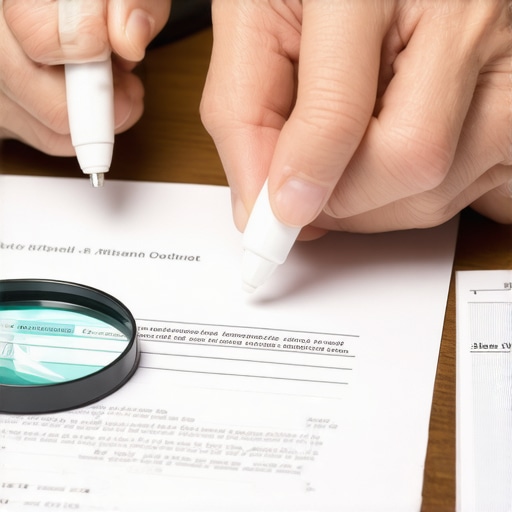
How to Fix the Most Common Errors Found in Credit Reports
I remember standing at a car dealership three years ago, feeling a cold pit in my stomach as the salesman handed back my application with a sympathetic shrug. ‘Your score is way lower than you think,’ he whispered. I was floored. I’d been paying my bills on time for years, or so I thought. When I finally pulled my own records, I found a ‘collection’ for a gym membership in a city I hadn’t lived in for a decade. It was a wake-up call that the credit bureaus aren’t these infallible institutions; they are often just messy filing cabinets. Today, I’m going to show you how to hunt down those mistakes and get them gone for good, based on my own trial-by-fire experience.
The Day I Realized My Credit Report Was a Work of Fiction
I used to be the guy who assumed the big three bureaus had everything under control. I was wrong. My first big mistake was thinking that [why your credit score is different on every app](https://counselcredits.com/why-your-credit-score-is-different-on-every-app) was just a weird quirk, rather than a sign of deep-rooted data errors. I spent weeks shouting into the void of automated phone lines before I learned the real way to handle [the most common credit report errors and the fixes](https://counselcredits.com/the-most-common-credit-report-errors-and-the-fixes). We are going to solve the mystery of those phantom debts and incorrect balances that are currently sucking the life out of your financial potential. Have you ever looked at your report and seen a late payment for an account you know you closed years ago?
Is it actually possible to win against the credit bureaus?
Most people think the bureaus are untouchable, but they are legally required to be accurate. A surprising study by the Federal Trade Commission (FTC) found that one in five consumers had an error on at least one of their three credit reports. This isn’t just bad luck; it is a systemic issue. I’ll be honest, when I started, I tried to [how to dispute a late payment that was actually the banks fault](https://counselcredits.com/how-to-dispute-a-late-payment-that-was-actually-the-banks-fault) by sending a messy, handwritten note that got rejected instantly. I’ve since learned that precision is your best friend.
Stop Letting Data Entry Errors Cost You Thousands
Every point on your score translates to real money in the form of interest rates. When I finally learned [how to remove duplicate accounts from your credit report](https://counselcredits.com/how-to-remove-duplicate-accounts-from-your-credit-report), my score jumped 45 points in a single month. It wasn’t magic; it was just cleaning up the garbage data. Whether you are dealing with [identity theft without a police report](https://counselcredits.com/how-to-fix-identity-theft-without-a-police-report) or just a misspelled last name that’s merging your file with a stranger’s, we are going to tackle the paperwork together. Let’s get into the nitty-gritty of the letters you need to send and the evidence you need to gather.
Audit Your Report Like a Forensic Accountant
To fix your credit, you have to stop looking at your report as a static document and start seeing it as a witness statement that needs cross-examination. When I started my journey, I printed out all three reports and took a highlighter to every single line. I found a debt from a cable company I’d never even heard of. It felt like someone had slipped an extra item onto my grocery bill and expected me to just pay it. To get results, you need to gather [the document that proves a debt is not yours](https://counselcredits.com/the-document-that-proves-a-debt-is-not-yours) before you even think about logging into a bureau’s website. If you don’t have paper evidence, you are just a voice in the wind. 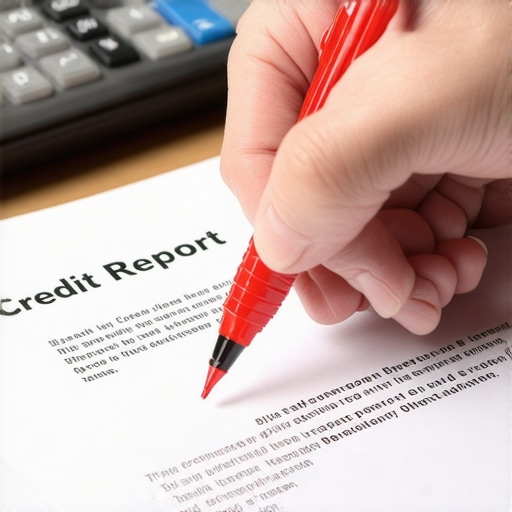
The Single Document That Changes the Power Dynamic
I once spent months fighting a $400 collection that wasn’t mine. I was polite, I was patient, and I was ignored. Everything changed when I stopped asking for ‘help’ and started demanding validation. I learned that using [the validation letter loophole that forces deletion of late payments](https://counselcredits.com/the-validation-letter-loophole-that-forces-deletion-of-late-payments) puts the burden of proof on the creditor, not you. If they can’t produce the original contract with your signature within 30 days, that negative mark has to vanish. This is the core of [effective credit repair techniques for a fresh financial start](https://counselcredits.com/effective-credit-repair-techniques-for-a-fresh-financial-start). It’s not about ‘tricking’ the system; it’s about holding the system to its own legal standards.
Draft a Dispute That Bureau Robots Can’t Ignore
Most disputes are processed by automated scanners, not humans. If you write a three-page emotional manifesto about your life struggles, the machine will likely spit out a ‘frivolous’ designation. You need to be clinical. I learned this the hard way when my first three letters were rejected. I had to learn [how to force a correction on your experian report](https://counselcredits.com/how-to-force-a-correction-on-your-experian-report) by using specific language that triggered a manual review. Think of your dispute letter as a surgical tool—it needs to be sharp, precise, and aimed directly at the error. Combine this with [the ultimate credit repair blueprint for 2025](https://counselcredits.com/the-ultimate-credit-repair-blueprint-for-2025) to ensure you aren’t missing the small details like incorrect addresses or misspelled employer names that can link you to someone else’s bad habits.
Persistence is Your Only Real Leverage
One of the most common reasons people fail at credit building is that they give up after the first ‘verified’ response from a bureau. I remember getting a rejection letter and feeling like the air had been kicked out of my lungs. But here is the secret: ‘verified’ doesn’t always mean ‘accurate.’ It often just means their computer talked to the creditor’s computer and they both agreed on the same lie. This is exactly [why you should dispute the same error more than once](https://counselcredits.com/why-you-should-dispute-the-same-error-more-than-once). Each time you dispute, you increase the cost of the bureau keeping that error on your file. Eventually, if they can’t prove it, it’s cheaper for them to delete it than to keep fighting you. This kind of persistence is a vital part of [smart debt management practices for maintaining financial health](https://counselcredits.com/smart-debt-management-practices-for-maintaining-financial-health).
Why Paying Off an Old Collection Might Actually Tank Your Score
Many people assume that if they finally settle an old debt, their credit score will instantly reward them. In reality, the opposite often happens. This is one of the most persistent credit repair myths in the industry. When you pay a collection that has been sitting dormant for years, you are essentially ‘updating’ the date of last activity. To the FICO algorithm, a debt that was ignored for five years suddenly looks like a brand-new negative event. I’ve seen people lose 30 points overnight because they tried to ‘do the right thing’ without a strategy. Instead of blindly writing a check, you need to understand top credit repair myths busted by experts in 2025 before you interact with a collector. It is often better to negotiate a ‘pay-for-delete’ agreement where the entire tradeline is removed, rather than just marked as ‘paid.’
Is your credit app giving you a false sense of security?
Most of us check our scores on free apps and think we know where we stand. However, there is a massive gap between the ‘educational’ scores those apps provide and the actual FICO models lenders use for mortgages or car loans. This is why VantageScore might be giving you false hope while your real lending power is much lower. According to a report by the Consumer Financial Protection Bureau (CFPB), nearly 20% of consumers have significant discrepancies between the various scoring models. If you are preparing for a major purchase, you need the actual data, not a simulated estimate. 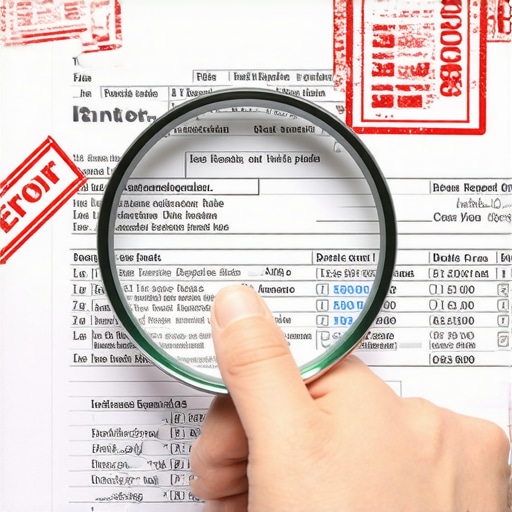
The ‘Good Faith’ Trap That Revives Zombie Debts
Here is the nuance that most beginners miss: the statute of limitations. Debt collectors are notorious for calling and asking for a ‘token payment’ of $5 or $10 just to show you are acting in good faith. Do not fall for this. In many states, making even a single dollar payment on an old debt resets the clock on how long they can legally sue you. This is the danger of not knowing the truth about the statute of limitations on debt in your state. I once talked to a reader who revived a $4,000 debt that was days away from expiring just because they sent a small ‘goodwill’ payment. It’s vital that you understand why you should never pay a debt older than 7 years without a specific legal strategy in place.
Stop Playing Defense with Your Debt Management
Most consumers treat debt management like a game of whack-a-mole, just hitting whatever bill screams the loudest. To actually build a strong financial future, you have to transition from defense to offense. This means you need to look at credit counseling insights to avoid common pitfalls in debt management like closing your oldest accounts. I’ve seen people pay off a credit card and immediately close it, thinking they are being responsible, only to realize that why your credit score drops when you pay off a loan is often linked to the sudden loss of credit age and available limit. Have you ever fallen into this trap where ‘doing the right thing’ backfired? Let me know in the comments below, and let’s figure out how to pivot your strategy for a real 700+ score.Once you have cleared the debris and deleted those pesky errors, the game changes from repair to maintenance. I used to think that reaching a 750 score meant I could stop worrying, but credit health is a garden—if you don’t weed it, the errors grow back. This is where most people fail at long-term debt management. I personally use a ‘Credit Calendar’ approach. Every first of the month, I log in and verify that my balances are reported correctly. If you aren’t careful, why your credit utilization ratio is actually higher than you think can suddenly drop your score by 20 points because a lender reported your balance a day before you paid it off.
Lock Your Report to Stop Identity Thieves Cold
The most important tool in my arsenal isn’t a fancy app; it is the security freeze. I keep my files at all three bureaus frozen 24/7. It takes exactly three minutes to ‘thaw’ them when I want to apply for something, but it prevents 99% of fraudulent accounts from ever appearing. This is the single best way to ensure you never have to repeat the process of how to fix identity theft without a police report. If you are serious about smart debt management practices for maintaining financial health, a permanent freeze is your best friend. 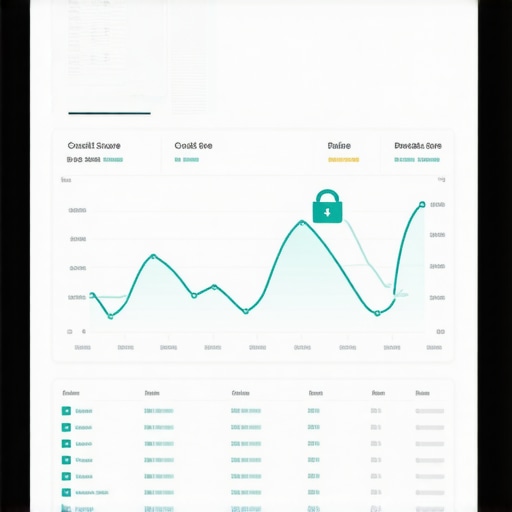
Ditch the Free Apps for Real FICO Data
I’ve said it before and I’ll say it again: stop relying on ‘educational’ scores. When I was preparing for my mortgage, I realized that the score I saw on my bank’s dashboard was 40 points higher than what the lender saw. I now exclusively use tools that provide official FICO 8 and FICO 9 scores. While the truth about credit repair software is that it can’t do anything you can’t do yourself, having access to real-time FICO data is non-negotiable. According to the FICO Score 10 technical documentation, the industry is moving toward ‘trended data,’ meaning lenders now look at your payment patterns over a 24-month window rather than just a snapshot of today. This makes mastering debt management proven strategies for financial freedom more about consistency than quick fixes.
How do I keep my credit healthy for decades?
Maintenance is about small, automated habits. I set ‘micropayments’ for all my active cards. Instead of paying once a month, I pay every time I reach $100 in charges. This keeps my reported utilization near zero and ensures I’m never surprised by a bill. If you are just starting, focus on building credit from scratch what you need to know in 2025, specifically the move toward using alternative data like rent and utility payments. You can actually how to add your utility bills to your credit report to pad your file with positive history. The future of credit is going to be dominated by AI-driven underwriting that rewards this kind of granular, responsible behavior. My best advice? Go to each bureau’s website right now and toggle the ‘freeze’ button on. It is the most powerful move you can make today to protect your hard-earned progress.
The Expensive Lessons I Had to Learn Myself
Looking back on my journey, I realized that the biggest hurdle wasn’t the paperwork—it was my own assumptions. I used to think the bureaus were there to help me, but they are data brokers, and you have to treat them as such. First, never assume a ‘deletion’ is permanent; keep your records because ‘re-insertion’ is a real thing. Second, your emotional story doesn’t matter to an automated scanner, so keep your letters clinical. Third, always remember that how to repair credit fast essential tips for better scores usually involves more patience than speed. It’s a marathon, not a sprint, and small wins lead to the biggest score jumps over time.
The Exact Tools I Use to Stay Ahead of the Algorithm
I don’t rely on luck anymore. My toolkit is simple but effective. I keep a physical ‘Credit Folder’ with every letter I’ve ever sent via certified mail. I also highly recommend reading the actual Fair Credit Reporting Act (FCRA); it is your shield and your sword. If you’re feeling overwhelmed, look into smart credit counseling how to rebuild your financial life for professional guidance that doesn’t cost a fortune. I also suggest using a simple spreadsheet to track your statement closing dates—this is one of those credit building hacks fast track your credit score that allows you to manipulate your utilization ratio without spending an extra dime. These aren’t just ‘good ideas’; they are the mechanics of real financial freedom.
It’s Time to Reclaim Your Financial Power
You don’t have to live under the shadow of a three-digit number that doesn’t define who you are. Whether you are just building credit from scratch a step-by-step guide or fighting to fix years of mistakes, the first step is deciding that you’ve had enough of the status quo. Effective debt management isn’t about deprivation; it’s about making your money work for you instead of the banks. I’ve seen people go from ‘denied’ to ‘homeowner’ in less than a year by using these exact debt management secrets tackle debt before it takes over. You have the tools, you have the strategy, and now you have the momentum to change your story. What is the one specific error on your report that you are going to dispute this week? Let me know below so we can tackle it together!