
How to Get Your Landlord to Report Your Rent to the Bureaus
I spent years staring at my credit report and feeling like a total ghost. Every month, like clockwork, I’d hand over nearly two thousand dollars to my landlord, and every month, that massive transaction did absolutely nothing for my financial reputation. It felt like I was throwing money into a black hole while my friends with mortgages saw their scores climb just for living in their own homes. I made a huge mistake early on by assuming that because I had a signed lease and bank statements, the credit bureaus just “knew.” I actually tried to call Experian once to tell them I’d been a perfect tenant for three years. Let’s just say that conversation ended with a lot of hold music and zero progress.
Stop Letting Your Biggest Expense Go Unnoticed
If you’re like me, your rent is probably the largest check you write every single month. It’s frustrating to realize that while why your credit score matters more than your salary is a hard truth of the modern world, the system often ignores your most consistent financial behavior. I’m here to tell you that you don’t have to wait for a mortgage to start looking like a responsible adult on paper. We are going to bridge that gap today. Whether you are building credit from scratch or trying to recover from past mistakes, getting your rent on your report is the ultimate low-hanging fruit. Have you ever felt the sting of having a perfect payment history that nobody—not even the big three bureaus—seems to care about?
Does rent reporting actually make a difference for my score?
You might be wondering if this is just another “hack” that sounds better than it works. The reality is quite the opposite. According to research from TransUnion, reporting rental data can significantly boost scores for those with “thin” files, often helping people who are building credit from scratch in 2025 see a jump almost immediately. It’s not a magic wand, but it is one of the most effective credit building hacks available right now. I learned the hard way that landlords won’t just do this out of the goodness of their hearts because it costs them time and sometimes money. You have to be the one to initiate the process. You might also want to look into how to add your utility bills to your credit report to double down on these hidden wins. In the next section, we’ll dive into the exact scripts and services you need to use to convince your landlord to play ball.
Pick a Service That Talks to the Big Three
To get started, you need to understand that the credit bureaus are like exclusive clubs—they don’t just take information from anyone. You can’t personally send your rent receipts to Equifax and expect them to care. You have to use a verified intermediary. Think of these services as a private tutor for your financial reputation; they don’t change the work you’re doing, but they make sure the teacher actually sees your progress. For those building credit from scratch, I recommend looking at services like RentTrack, LevelCredit, or Rock the Score. These platforms sync with your bank account or your landlord’s portal to verify the payment. When I first did this, I chose a service that specifically reported to all three bureaus because some only report to one or two. You want maximum visibility for your effort. If you are already looking for effective credit repair tips to boost your score today, this is essentially the fastest way to add a positive ‘tradeline’ without taking on new debt.
Get Credit for Your Last Two Years of Rent Today
Most people don’t realize they are sitting on a goldmine of past data. When you sign up for a reporting service, they often offer a ‘look-back’ or ‘back-reporting’ feature. This allows the service to scan your bank records for the last 24 months and report every single one of those successful rent payments at once. This is the move that jumps your score 40 points in 30 days for some users. I remember when I checked that box on the application; it cost me an extra fifty bucks, but seeing two years of ‘perfect’ history appear on my report overnight was worth every penny. It turned my ‘thin’ file into a seasoned one instantly. 
How to Win Over a Stubborn Landlord
Your landlord might be hesitant because they fear it involves extra work or exposes them to new taxes. When I approached my landlord, Mr. Henderson, he was incredibly skeptical. He thought it was a scam to track his income. I had to sit down with him and explain that the service I was using was entirely tenant-focused. I told him, ‘This makes me a more reliable tenant because I’m incentivized to pay on time to keep my score high.’ That flipped the switch for him. If your landlord refuses to sign anything, look for ‘landlord-independent’ services that only require your bank login to verify the electronic transfers. This bypasses their involvement entirely and puts you in the driver’s seat.
Verify Your Data Every Single Month
Once the pipeline is open, don’t just set it and forget it. Errors happen. I once had a month where my rent payment was flagged as a ‘utility’ by the reporting software because I paid through a different app. It took me weeks to fix. You should treat this like any other part of your path to better credit. Check your dashboard at least once a month to ensure the payment was recorded correctly. If a payment is missed, it can actually hurt your score, so precision is your best friend here.
While getting your rent on your record is a powerful move, many people treat credit building as a ‘set it and forget it’ game. This is where the amateurs get separated from the pros. I’ve seen people do everything right—pay their rent on time, sign up for a reporting service—only to be baffled when their score doesn’t budge when they apply for a car loan. Let’s dig deeper into the nuances that the glossy brochures don’t tell you.
Why Your Score Might Be Lying to You
One of the biggest shocks for my readers is discovering that the score they see on a free app isn’t the score a lender sees. This is a classic case of why VantageScore might be giving you false hope. Most rent-reporting services initially impact your VantageScore, but many traditional mortgage lenders still use older FICO models that don’t even look at rental data. According to a 2024 study by FICO, while newer versions like FICO 9 and 10T include rental history, the adoption rate by banks varies wildly. If you are building credit from scratch in 2025, you need to know exactly which model your lender is pulling before you bank everything on that rental history boost.

Is your rent actually showing up where it matters most?
You have to ask your reporting service: ‘Which specific FICO versions will this affect?’ If the answer is only ‘VantageScore 3.0,’ you’re building a beautiful house on a foundation of sand. Advanced credit builders look for services that bridge the gap into FICO 8 and 9. It’s also worth noting that top credit repair myths often suggest that any activity is good activity. In reality, a single late rent payment reported to the bureaus can do more damage than two years of on-time payments can fix. The stakes are higher once you’re ‘on the grid.’
Avoid the Pay-and-Regret Cycle
The biggest ‘oops’ factor I see involves how people handle old debts while trying to build new credit. Everyone says you should just pay off every old collection immediately, but in my experience, that can actually backfire. If you pay an old, ‘zombie’ debt without a written ‘pay for delete’ agreement, you might actually lower your average age of accounts or reset the statute of limitations on a debt that was about to fall off. This is a core part of avoiding common pitfalls in debt management. Sometimes, why your credit score stalled after that big payment is simply because you didn’t understand the ‘date of last activity’ mechanics. Before you touch an old account, make sure you understand the best way to handle zombie debts from a decade ago to ensure you aren’t accidentally sabotaging your hard-earned rental points.
The Hidden Catch with New Credit Models
We often think that more data is always better, but advanced credit building requires a surgical approach. If you are using credit building hacks like rent reporting alongside utility reporting, you might create a ‘thin file’ that looks artificially inflated to high-level auditors. It’s vital to balance these ‘alternative’ data points with traditional credit, like a secured card or a credit builder loan. Have you ever fallen into this trap of thinking a high score on one app meant you were ‘clear’ for a major loan? Let me know in the comments. I’m curious to see how many of you have faced that frustration when a lender pulled a different version of your report.
Once you’ve successfully jumped the initial hurdles of rent reporting, the game changes from ‘building’ to ‘maintaining.’ I spent years obsessing over daily fluctuations, but I eventually realized that constant monitoring is a recipe for burnout. Now, I focus on automated systems that do the heavy lifting for me. I personally swear by the 5-minute habit that protects your credit score from sudden drops. This isn’t about deep-diving into every single transaction; it’s about a quick weekly audit of your ‘Available Credit’ versus your ‘Statement Balance.’ This is a cornerstone of smart debt management practices for maintaining financial health.
Stop Checking Your App Every Hour
Trust me, watching your score tick up or down by three points every Tuesday will drive you crazy and lead to impulsive financial decisions. Instead, I use a dedicated ‘Credit Fortress’ spreadsheet where I log my balances on the 1st of every month. If you prefer digital tools, the truth about credit repair software is that most of it is just a glorified reminder system, but those reminders are exactly what keep you from missing a due date. I set my alerts to trigger five days before the actual deadline. That way, if my bank has a technical glitch or a transfer gets delayed, I still have a massive safety margin.
The Future Is All About Trended Data
If you think the current system is tough, wait until FICO 10T becomes the industry standard. According to a technical brief from FICO, the 10T model evaluates ‘trended data’—which means they don’t just care what your balance is today; they care if it’s been growing or shrinking over the last 24 months. This is why building credit from scratch in 2025 requires more than just a one-time fix; it requires a documented lifestyle change. If you are preparing for a mortgage, you’ll definitely need a checklist method for passing a loan application audit, because manual underwriters are becoming much more aggressive in flagging sudden spikes in credit usage or sudden ‘alternative’ data injections. 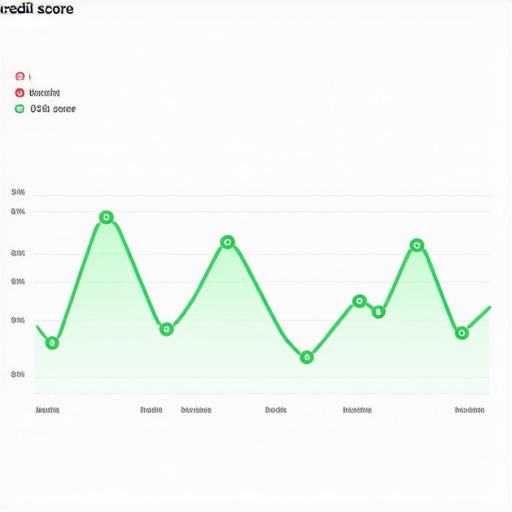
How do I keep my score healthy for the long haul?
Maintenance is about consistent vigilance, not high-intensity bursts of activity. I recommend a quarterly ‘deep clean’ of your credit report. I use this time to identify and how to fix the most common errors found in credit reports. Did you know that the Consumer Financial Protection Bureau (CFPB) noted in their recent Annual Report on Credit Reporting Complaints that nearly 70% of all consumer complaints involve ‘incorrect information on your report’? If you aren’t looking for these errors, nobody is going to find them for you. Set a calendar alert for every three months to pull your reports and cross-reference them with your bank statements. This simple act of verification ensures your hard-earned rental history and on-time payments actually stay on your record. To really master the system, I challenge you to set one ‘unbreakable’ rule for yourself this month: never let your credit card balance exceed 10% of your limit at any point in the billing cycle. This keeps your ‘trended data’ looking pristine for those future-proof FICO models.
The One Truth About Rent Reporting That Almost Tripped Me Up
Looking back at my journey from credit ghost to homeowner, I realized that rent reporting isn’t a magic wand—it’s a megaphone. It takes the quiet work you’re already doing and shouts it to the people who matter. One big ‘lightbulb moment’ for me was realizing that I shouldn’t wait for my landlord to offer this; they are busy managing property, not your financial future. You have to be the CEO of your own reputation. Another lesson? Don’t let the fear of top credit repair myths busted by experts in 2025 stop you from trying alternative data. I also learned that credit building hacks work best when they are layered. Reporting your rent is great, but combining it with a secured card or a credit-builder loan creates a much more robust profile than rent alone ever could.
The Gear I Use to Keep My Financial Reputation Pristine
I don’t believe in overcomplicating things, but these four tools changed everything for me. First, I highly recommend RentTrack or LevelCredit because they have the most reliable data pipelines to the big bureaus. Second, bookmark the Consumer Financial Protection Bureau (CFPB) website; it’s your best friend if a service fails to report correctly. Third, ignore the flashy ads and realize the truth about credit repair software—it’s often just a tool for organization, and a simple Google Sheet can work just as well for tracking your progress. Finally, keep a close eye on your FICO 8 scores specifically, as these are what most lenders actually look at when you move beyond the rental stage.
Take Back Your Financial Narrative Today
You have been writing those rent checks for years, often at a significant sacrifice. It is finally time for those payments to start working for you instead of just for your landlord. By taking these steps, you are effectively building credit from scratch in 2025 with data that already exists. Don’t let another month of on-time payments go unrecorded. You have the scripts, you have the service recommendations, and you have the strategy. Now, it’s just about execution. Which rent reporting service are you leaning toward using, or is your landlord still the biggest hurdle you’re facing? Let me know in the comments below!