
How to Avoid Costly Interest Rates When Applying for a New Loan
I will never forget the day I sat in a cramped office at a local dealership, my palms sweating as the finance manager pulled up my credit profile. I had a decent job and a smile on my face, but when he showed me the 18% APR on a used sedan, I felt like the air had been sucked out of the room. I was essentially being punished for my past ignorance. It was a visceral realization that my lack of preparation was costing me thousands of dollars in ‘interest tax’ that I could have used for a house down payment or a real vacation. Today, I am going to show you how to flip the script so you never have to feel that gut-punch again. We are going to dive into the exact steps to make yourself irresistible to lenders so they compete for your business, rather than the other way around.
Stop Letting Lenders Quietly Drain Your Bank Account
The problem isn’t just the loan itself; it is the way interest compounds against you when you aren’t looking. I spent years making the mistake of assuming my ‘good enough’ score would get me the best deals. It didn’t. I had to learn the hard way that the hidden factors that determine your interest rate are often things you can influence months before you ever sign an application. If you aren’t proactive, you are essentially leaving money on the table for the bank to sweep up. According to a report by the Consumer Financial Protection Bureau, borrowers who shop around for a mortgage can save up to $600 per year, yet many people still take the first offer they receive. This is why I am so passionate about sharing effective credit repair techniques that actually move the needle. Have you ever felt like you were being charged extra just because you didn’t know the ‘secret’ rules of the game?
Is a low rate actually realistic in this economy?
You might be looking at the news and thinking that the days of cheap money are gone forever. It is easy to get discouraged when the ‘experts’ tell you that rates are climbing. But here is the neighborly truth: even in a high-rate environment, the gap between ‘okay’ credit and ‘great’ credit is the difference between a monthly payment that feels like a breeze and one that feels like a chokehold. By mastering the single most effective way to stop interest from eating your income, you put yourself in the driver’s seat. Before you even think about applying for a new line of credit, you need to understand that your history is your best negotiation tool. I once ignored a small error on my report for six months, thinking it didn’t matter. That tiny mistake cost me nearly $80 a month on a personal loan later that year. Don’t be like past-me; start looking at your credit as the financial asset it truly is.You need to stop looking at your credit report as a static document and start seeing it as a living testimony of your financial habits—half of which might be wrong. I remember opening a report three years ago and finding a ‘delinquent’ account for a cable provider I’d never even used. It was a clerical error, but it was dragging my score down by 40 points. I didn’t just ‘hope’ it would go away; I used the checklist method for passing a loan application audit to verify every single line item. This isn’t just about spotting identity theft; it’s about hunting down the most common credit report errors and the fixes that the bureaus often overlook.
Sift Through the Paperwork Like a Private Investigator
Think of your credit report like a garden. If you don’t pull the weeds, they will eventually choke out the flowers. When I found that cable bill error, I didn’t just call and complain. I followed the ultimate credit repair blueprint for 2025, documenting every interaction and sending certified mail. It felt tedious, but seeing that ‘deleted’ status felt better than a tax refund. You have to be meticulous. Check the spelling of your name, your old addresses, and especially the dates of last activity. 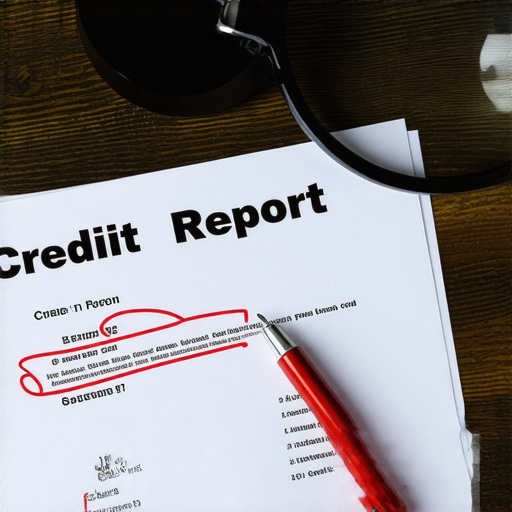
Scour the Report for Every Tiny Inaccuracy
Many people assume the bureaus have it all figured out, but they are data aggregators, not truth-tellers. If an old debt collector sells your account, it might show up twice, artificially inflating your debt-to-income ratio. I once saw a client whose score was stuck in the low 600s simply because of a duplicated medical bill. Once we cleared that up, the doors to better lending opened almost overnight.
Kill the Interest Before It Kills Your Progress
Interest is the friction that keeps your financial machine from running smoothly. If you are carrying a balance, you aren’t just paying for what you bought; you’re paying a penalty for not having the cash upfront. One of the best effective credit repair tips to boost your score today is to aggressively tackle your utilization ratio. I used to think as long as I paid the minimum, I was ‘fine.’ I wasn’t.
Adopt the Five-Minute Habit to Guard Your Score
High utilization acts like a heavy anchor on your credit score. To fix this, I started the 5-minute habit that protects your credit score from sudden drops: checking my balances every Sunday morning. By seeing the numbers rise in real-time, I could make small ‘micropayments’ throughout the month to keep my reported utilization below 10%. This simple shift is often the move that jumps your score 40 points in 30 days because it changes how the bureaus perceive your risk level.
Use a Simple Call to Slash Your APR
You’d be surprised how much power you actually have when you stop being afraid of the ‘no.’ I once spent fifteen minutes on the phone and managed to drop my credit card APR from 24% to 16% just by asking. Knowing how to negotiate your APR down with a simple phone call is like finding a hundred-dollar bill in your dryer every single month. It directly feeds into mastering debt management by ensuring more of your payment goes toward the principal instead of the bank’s profit margin.
Most people think that credit repair is just about deleting bad things, but that is a rookie mistake. If you want to move from the 600s into the 800s, you have to understand the nuance that even some ‘experts’ miss. Here is a secret that many credit gurus won’t tell you: sometimes, paying off an old debt can actually hurt your score in the short term. It sounds backwards, right? But it’s one of those top credit repair myths busted by experts in 2025 that catches people off guard. When you make a payment on a zombie debt, you often reset the ‘date of last activity,’ which can make an old, fading mistake look brand new to the scoring algorithms. Instead of just writing a check, you should be looking at how to remove a paid collection from your credit report permanently through a ‘pay-for-delete’ agreement. This is the difference between amateur repair and a professional-grade strategy.
Stop Closing Accounts to ‘Clean Up’ Your History
I have seen so many people reach for the ‘delete’ button on an old credit card they don’t use anymore, thinking they are tidying up their financial house. This is a massive ‘oops’ factor. In reality, why closing your oldest credit card is a massive mistake comes down to your credit age. According to data from FICO, the length of your credit history accounts for 15% of your total score. When you close that ten-year-old account, your average age drops, and your score often follows it off a cliff. If the card has no annual fee, hide it in a sock drawer, but never close it. This is a core part of smart debt management practices for maintaining financial health that keeps your foundation strong while you build toward the future.

Why is my score stuck in the mud after a major payoff?
It is incredibly frustrating to pay down a $5,000 balance only to see your score move by a measly three points. This often happens because you are looking at the wrong numbers. I always tell my clients that why you should ignore the Credit Karma score is because it uses the VantageScore model, which lenders rarely use for big-ticket items like mortgages. Your real FICO score might be moving in the background, but you won’t see it if you are focused on the ‘free’ apps that update daily with irrelevant data. Furthermore, if you only have one type of credit (like three credit cards but no installment loans), your score will plateau. You need the move that fixes your credit mix score to prove you can handle different types of financial responsibility. Have you ever fallen into this trap of paying a debt only to see your score go nowhere? Let me know in the comments. To ensure you aren’t missing any other red flags, the reason you should check your credit report at all three bureaus is that an error on just one can drag down your entire profile, even if the other two are spotless. Mastering these nuances is how you stop being a victim of the system and start becoming the one who dictates the terms.
Once you’ve cleared the hurdles of disputes and pay-for-delete negotiations, the real work begins: the maintenance phase. I’ve seen people work tirelessly to hit a 750 score only to let it slip back to 680 because they stopped paying attention. To prevent this, I rely on a combination of low-tech and high-tech tools. My ‘secret weapon’ isn’t some expensive software; it’s a simple, customized Google Sheet where I log my statement closing dates. This is vital because if you know the 5-minute habit that protects your credit score from sudden drops, you know that the date your balance is reported matters more than the date it’s due. By paying my balances down three days before the statement close date, I ensure my reported utilization is always 1%. This is how you scale your credit from ‘decent’ to ‘elite’ without spending an extra dime.
Make Technology Do the Heavy Lifting for You
I also suggest setting up ‘push’ notifications for every single transaction over $1.00 on your cards. This serves two purposes: it catches fraud instantly and keeps your spending top-of-mind. While I am a fan of automation, you have to be careful with how to use credit monitoring services without hurting your score. Many people don’t realize that some ‘free’ services constantly pitch you high-interest loans that can tempt you back into the cycle you just escaped. Stick to smart debt management practices for maintaining financial health by using monitoring solely for the data, not the advertisements. 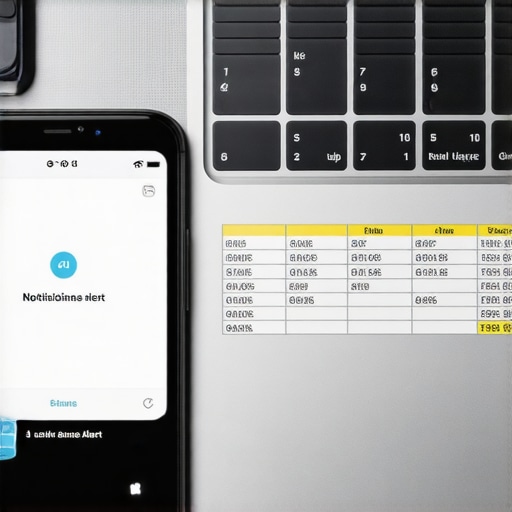
How do I maintain this momentum for the long haul?
Maintenance isn’t about checking your score every hour; it’s about periodic audits. Every quarter, I go back to the ultimate credit repair blueprint for 2025 to ensure no new errors have crept in. I also recommend looking into mastering credit building by adding an installment loan if your mix is too heavy on cards. As for the future, keep an eye on FICO 10T. According to Ethan Dornhelm, Vice President of Scores and Predictive Analytics at FICO, this new model will look at ‘trended data’—meaning it will analyze whether your debt levels are increasing or decreasing over a 24-month period. This makes effective credit repair tips to boost your score today more important than ever because your habits today will affect your score two years from now. I want you to try this right now: log into your primary credit card portal and set an alert for any balance over 10% of your limit. It’s a simple guardrail that saves your score from accidental spikes.
The Realities I Had to Face Before My Score Finally Budged
Reflecting on my journey, there were a few lightbulb moments that changed everything for me. First, I realized that time is your greatest ally or your worst enemy; waiting to fix a mistake only lets interest compound. Second, I learned that top credit repair myths often lead well-meaning people to pay off zombie debts that actually lower their score temporarily. Third, I discovered that persistence is the only language credit bureaus speak. If a dispute fails the first time, you don’t quit; you find more evidence and go again. Finally, I stopped seeing credit as a grade on my character and started seeing it as a game where I finally knew the rules.
The Resources I Personally Use to Keep the Bureaus in Check
I don’t believe in over-complicating things, but these three resources are non-negotiable for me. I always start with the official FTC website to stay updated on consumer rights, ensuring I know exactly how to fix the most common errors found in credit reports without being intimidated. For those feeling overwhelmed by high-interest balances, I highly recommend learning how to effectively use credit counseling to fix your finances—it is a game-changer when you need a professional to advocate for lower rates. Lastly, before you hire any outside help, use my guide on how to spot a credit repair scam in seconds to protect your hard-earned money from guaranteed fixes that do not exist.
Stop Wishing for Better Rates and Start Taking Them
You do not have to be a victim of a high APR or a confusing credit report anymore. The steps we have discussed—from hunting down errors to mastering debt management—are the exact tools you need to flip the script on lenders. It won’t happen overnight, but every small adjustment to your utilization and every successful dispute brings you closer to the financial freedom you deserve. I know you can do this because I have been in that sweaty-palmed seat at the dealership, and I know how much better it feels to walk in with the power of an elite score. #IMAGE_PLACEHOLDER_E# Have you ever found a blatant error on your credit report that you had to fight to remove? Let me know your experience in the comments below!