The Truth About Consolidation Loans and Your Wallet
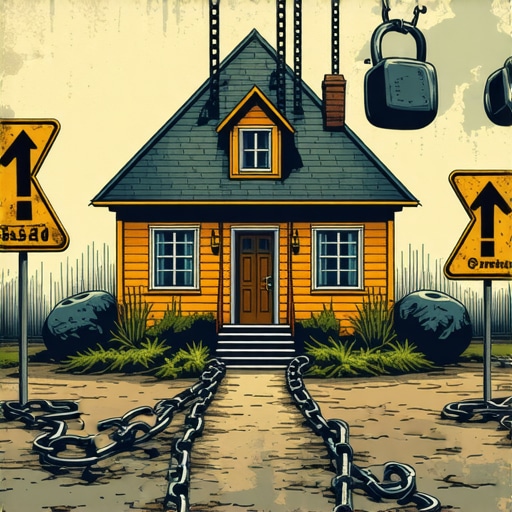
I sat there staring at the flickering light of my laptop, my stomach in knots. I had three different credit card logins open, and the interest rates were staring back at me like hungry wolves. 24.99%, 27.5%, and 29.1%. I was desperate. I thought I found the perfect escape: a shiny new consolidation loan that promised one easy payment. I signed the papers, paid off the cards, and felt a rush of relief. But six months later, I was in twice as much debt because I hadn’t changed my habits. I made the classic mistake of treating the symptom instead of the disease, and it nearly cost me my house.
The Brutal Reality of Swapping Debt for More Debt
People often think that moving money from one pile to another is the same thing as paying it off. It isn’t. When I took out that first loan, I didn’t realize that why most people fail at debt consolidation usually comes down to the “revolving door” effect. You clear the cards, see those zero balances, and suddenly that weekend getaway doesn’t seem so expensive anymore.
Is This Whole Consolidation Thing Actually Worth the Risk?
It can be, but only if you are brutally honest with yourself. If you don’t understand the hidden costs of debt consolidation loans, like origination fees that eat 5% of your principal before you even see a dime, you’re starting in a hole. I learned the hard way that a lower interest rate doesn’t mean much if you extend the term from three years to seven. According to the Federal Reserve, revolving credit continues to reach staggering new heights, which makes these loans look more tempting than ever to the average neighbor. Today, I am going to pull back the curtain on how to use these tools without ruining your wallet. Have you ever felt like you were just shuffling debt around without actually making progress? [image placeholder]
Why Your Mindset Matters More Than the Math
You can have the best spreadsheets in the world, but if you do not look at smart debt management practices, the math will eventually fail you. My biggest blunder wasn’t the loan itself; it was failing to seek credit counseling insights before I signed my life away. I thought I knew better than the experts. I was wrong. We are going to break down the exact steps to ensure your next move actually builds your future instead of just delaying the inevitable. This isn’t just about numbers; it is about reclaiming your peace of mind.
Find the Hole in Your Financial Bucket First
Before you even think about a loan, you need to know exactly why you are leaking cash. If you pour water into a bucket with a hole, it doesn’t matter how fast you pour; it will eventually be empty. I remember sitting on my living room floor with six months of bank statements and a red highlighter. I discovered I was spending nearly $140 a month on ‘ghost’ subscriptions—streaming services I never watched and a boutique fitness app I used once. I was literally paying for ghosts while my real-life debt was haunting me. This is why the easy way to set up a budget that you will actually stick to starts with an audit, not a restriction. You aren’t cutting out joy; you are cutting out waste.
Identify Where Your Money Vanishes Every Month
Take your last three bank statements and categorize every single transaction. If it isn’t food, shelter, or a debt payment, look at it with extreme skepticism. By identifying these leaks, you ensure that once you consolidate your debt, that extra cash flow actually goes toward the principal instead of disappearing into the void of convenience purchases. 
Build a Temporary Bridge with 0% APR Offers
If your credit score is still in the ‘decent’ range, a balance transfer card can be a powerful tool, but it is like a temporary bridge over a canyon. It is meant to get you to the other side, not to be a place where you set up camp. When I used my first 0% offer, I treated it like free money—that was my mistake. You must learn how to use a 0% apr card without falling into a debt trap. The strategy is simple: divide your total balance by the number of months in the introductory period. If you have $6,000 to pay off and 12 months of 0% interest, you must pay $500 every single month. No exceptions.
Dial Your Way to a Lower Interest Rate
Most people don’t realize that credit card companies are often willing to negotiate if you just ask. I once spent fifteen minutes on the phone and managed to drop my APR by 4% just by mentioning I was considering a competitor’s offer. Knowing how to negotiate your APR down with a simple phone call can save you hundreds of dollars in interest over a year. It is the highest hourly wage you will ever earn.
Switch to the Plastic-as-Cash Mentality
The final ‘meat’ of the process is changing how you physically interact with your cards. Once the debt is consolidated, the cards shouldn’t go in a drawer—they should be used with a strict ‘debit’ mindset. You should only swipe for what you already have in the bank. I started doing this by immediately ‘paying’ my credit card from my checking account the moment I got home from the store. This allows you to learn how to use your credit card like a debit card for rewards without ever carrying a balance again. This builds your score while protecting your future. If the math feels overwhelming, don’t be afraid to learn how to effectively use credit counseling to fix your finances so a professional can help you map out these steps.The common wisdom tells you that the best way to ‘clean up’ your finances is to close every account you aren’t using. This is a trap that many well-meaning people fall into. When you shut down an old account, you aren’t just getting rid of a card; you are hacking away at your credit age. I’ve seen people lose 30 points in a single afternoon because they thought they were being organized. You need to know why closing your oldest credit card is a massive mistake before you reach for those scissors.
The Collection Agency Trap That Resets the Clock
One of the biggest top credit repair myths busted by experts in 2025 is the idea that paying a collection always improves your score. While it’s good for your soul and your legal standing, older scoring models might see that ‘payment’ as recent activity on a dormant negative account, which can actually cause a temporary dip. Before you send a check, you must understand credit counseling insights: avoid common pitfalls in debt management like blindly paying without a ‘pay-for-delete’ agreement. According to the Consumer Financial Protection Bureau (CFPB), millions of Americans have inaccuracies on their reports that shouldn’t even be there. This is why disputing with precision is often more effective than just ‘paying and praying.’
Does My Monthly Salary Actually Impact My FICO Score?
You might be surprised to learn that why your income doesn’t matter to the credit bureaus is one of the most misunderstood parts of the financial system. You could make a million dollars a year, but if you don’t use credit, your score will be zero. The bureaus care about your behavior with borrowed money, not the size of your paycheck. This means you can’t just ‘earn’ your way to an 800 score; you have to ‘behave’ your way there through consistent, documented payments and low utilization. 
Don’t Get Fooled by Your Free Credit App
Most free apps use a scoring model that lenders rarely use for big loans. This is why VantageScore might be giving you false hope. You might see a 720 on your phone, but when you walk into a dealership, their FICO pull shows a 680. It is a gut-punch that usually happens at the worst possible moment. These ‘educational’ scores are helpful for tracking trends, but they aren’t the gospel truth that mortgage or auto banks live by. Have you ever fallen into this trap of trusting the wrong number? Let me know in the comments. By staying ahead of these nuances, you stop being a victim of the system and start becoming its master. You have to realize that the credit game has its own set of rules, and often, what seems like common sense to a consumer is actually a penalty in the eyes of a bank’s algorithm.Maintaining a high score is actually harder than building one because you have more to lose. I eventually realized that the real work happens in the quiet moments between big purchases. You need to adopt the 5-minute habit that protects your credit score from sudden drops. Every Sunday morning, before the rest of the house woke up, I would check my active balances. This was not about the score itself; it was about spotting errors before they became permanent records on my report.
Put Your Credit on Autopilot Before You Burn Out
Fatigue is the biggest enemy of financial progress. After six months of grinding, I almost gave up. That is when I learned that smart debt management practices for maintaining financial health are built on automation, not willpower. I set every single bill to autopay for the minimum amount. This ensured I would never have a late payment, even if I forgot to log in. Then, I manually paid the extra principal on top.
Why the Old-School Paper Trail Still Wins
I tried every flashy app on the market, but they all felt like they were selling my data more than helping me save. I went back to basics. I found that the best way to track your spending without using a complex app is a simple, custom spreadsheet or even a physical ledger. When you have to manually type in that $7 coffee, it hits your brain differently than a notification you can just swipe away. This grounded me in my actual reality rather than a digital abstraction. 
How do I keep my financial momentum going long-term?
It comes down to diversification and constant monitoring. You cannot just have one credit card and think you are done. You need a healthy mix. I started looking into the mix-shift tactic for diversifying your credit profile. By adding a small credit-builder loan or ensuring my revolving credit was balanced with installment debt, I showed lenders I could handle different obligations. Technical documentation from FICO regarding their ‘Score Resilience Index’ suggests that consumers who maintain low utilization across diverse account types are significantly more likely to survive economic downturns without a score collapse.
Look Ahead to the Era of AI-Driven Lending
Looking toward the future, the game is changing. We are moving into an era where AI-driven models will look at your utility payments and even your rent history more aggressively than ever before. If you prepare now by mastering credit building proven strategies for a strong financial future, you will not be left behind when traditional FICO scores evolve. This is essentially the ultimate credit repair blueprint for 2025 and beyond. I challenge you to try the Mix-Shift tactic this month. Look at your current credit profile—if it is entirely made of credit cards, consider adding a different type of account to prove your versatility. It is the fastest way to break through a score plateau and secure your standing.
The Truth About Why My Comeback Almost Failed Three Times
Building a high credit score is a marathon, not a sprint. Looking back, the hardest part wasn’t the math; it was the psychological weight of past mistakes. I had to realize that forgiving yourself is the first step toward fixing your balance. Here are the three pillars that finally held me up: First, I stopped checking my score every hour. Stressing over daily fluctuations is a recipe for burnout. Second, I realized that debt management tips to navigate financial challenges successfully only work if you are consistent, not perfect. Third, I learned that even the only way to fix your credit when you have no money is to focus on the things you can control, like disputing errors and maintaining communication with lenders.
My Go-To Tools for Staying Financially Bulletproof
You don’t need a fancy subscription to win. I found that why your local credit union is better for building credit often comes down to their personalized service and lower rates. They aren’t just a bank; they are a partner. Additionally, I highly recommend reading up on how to use the fair debt collection practices act to your advantage. Knowing your legal rights is the ultimate shield against harassment. Finally, stick to a physical ledger for your first 90 days of recovery; the tactile feedback of writing your debts down creates a psychological shift that digital apps simply cannot match.
Take Back Your Financial Story Today
Your current debt is a chapter in your life, not the whole book. By following a structured ultimate credit repair blueprint for 2025, you are laying the foundation for a life where you never have to fear a phone call from an unknown number again. Reclaiming your financial health is about more than just numbers on a screen; it is about the freedom to choose your own path. You have the tools, the strategy, and now, the mindset to succeed. Which of these steps are you going to implement by this Friday? Let me know in the comments below!