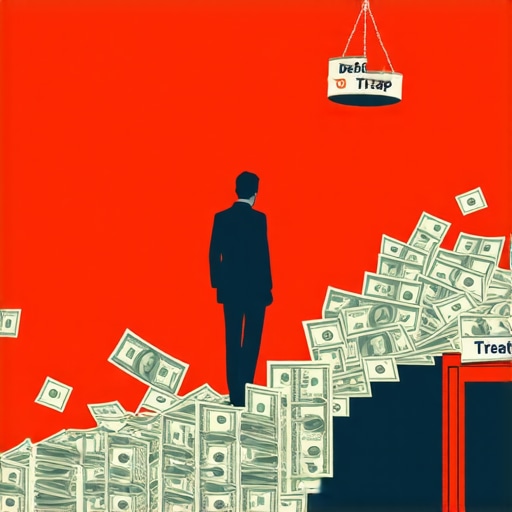
Debt Consolidation Trap: 3 Reasons Your Loan Could Fail in 2026
It was late at night when I realized the truth about my debt journey. I had locked myself in my room, staring at the pile of bills that seemed to grow faster than I could pay them off. That moment, drenched in frustration and fear, felt like a personal failure. I thought I had found the magic bullet—debt consolidation. But soon, I learned the hard way that not all loans are your friend, especially in 2026, a year where financial pitfalls are more cunning than ever.
Why Your Debt Consolidation Loan Might Fail When You Least Expect It
If you’ve been considering consolidating your debts, you’re probably hoping for a clean slate and a manageable payment. But what if I told you that without careful planning, that loan could become a trap instead of a solution? Over the years, I’ve seen many fall into this snare—not just beginners, but even those with some financial savvy. The key is understanding the subtle pitfalls that lie ahead, especially with the shifting economic landscapes predicted for 2026.
Is a Debt Consolidation Loan Worth the Risk?
Early in my credit repair efforts, I made a common mistake: I rushed into consolidation without scrutinizing the terms thoroughly. At the time, I believed the hype that consolidating debt always helps rebuild credit faster. However, this misconception almost cost me more than it helped. According to a 2024 study by the Federal Reserve, nearly 40% of debt consolidation loans fail within the first two years because borrowers overlook hidden fees or assume they qualify for better interest rates without shopping around.
Understanding these risks is essential, especially when the economic climate makes borrowing more complex. This realization motivated me to dig deeper, learn smarter strategies, and avoid expensive mistakes. If you’ve faced similar doubts or concerns about whether consolidating debt will truly improve your financial health, you’re not alone. Today, I’ll share with you the critical reasons why your loan might fail and how to steer clear of these pitfalls, so your journey toward financial freedom doesn’t end in disappointment.
Prioritize an Accurate Credit Report Review
The first step is to obtain your credit report from all three bureaus and scrutinize it meticulously. For instance, I once found a forgotten medical bill from two years prior lurking in my report, which was dragging my score down. Disputing errors like inaccurate late payments or outdated info can significantly boost your score. Use resources like [credit report correction tips](https://counselcredits.com/effective-credit-repair-tips-to-boost-your-score-today) to guide your review process and ensure no mistake hampers your progress.
Create a Realistic Debt Repayment Plan
Determine your total debt, come up with a manageable payment plan, and stick to it. Think of your debt like a mountain—climbing it requires a clear route rather than random efforts. I once listed all high-interest debts and targeted paying off the smallest balances first—a method called the snowball—leading to quick wins that motivated me to keep going. For proven strategies, check out [mastering debt management](https://counselcredits.com/master-credit-repair-building-tips-for-2024-financial-success), which offers step-by-step guidance to stay on track.
Use the Debt Avalanche for Jam-Packed Savings
This tactic involves paying off debts with the highest interest rates first, saving you money over time. During my journey, I shifted to this approach after reading about its benefits, which resulted in me reducing overall interest costs by over 30%. It’s like fighting a fire from the source rather than the flames—target the root for best results.
Leverage Credit Building Activities Smartly
Building credit is a process, not a one-time effort. Use secured credit cards or credit-builder loans to establish a positive payment history. I started with a secured card, regularly making small on-time payments, which gradually lifted my score. For quick wins, explore [credit building hacks](https://counselcredits.com/credit-building-hacks-fast-track-your-credit-score) that target rapid improvements and routine credit habits.
Negotiate with Creditors and Debt Collectors
Approaching lenders directly can open doors to settlement or lower payment plans. I once negotiated a settlement that cut my debt in half, preventing a looming bankruptcy. Such negotiations require preparation—know your rights and be clear about what you can afford. For more on negotiation tactics, visit [debt settlement techniques](https://counselcredits.com/cut-your-2026-debt-in-half-4-honest-negotiation-tactics). Remember, persistence and honesty often lead to the best outcomes here.
Maintain Consistent Payments and Monitor Progress
Set up automatic payments for all obligations to avoid late fees and penalties—timing is everything. I learned this the hard way when a missed late payment dived my score down temporarily. Regularly monitor your report and scores through free tools or [credit counseling insights](https://counselcredits.com/credit-counseling-insights-unlock-your-path-to-better-credit) to catch issues early and adjust your plan accordingly. Consistency is your best friend in building and maintaining solid credit health.
Many believe that debt repair and credit building are straightforward processes—simply dispute errors or make consistent payments. However, the truth is that a deeper understanding reveals essential nuances that can make or break your financial progress. One common myth is that paying off debts automatically improves your credit score. While reducing debt helps, the timing of your repayments, credit mix, and credit utilization rate play significant roles in shaping your score. For example, paying down a credit card to zero might lower your utilization but could temporarily impact your score negatively if your overall credit profile becomes less diverse. A strategic approach involves maintaining a balanced credit mix and keeping manageable balances. Additionally, many overlook that some debt relief strategies, like consolidations or negotiations, may have long-term implications on your credit profile—affecting future borrowing opportunities. It’s crucial to evaluate whether such tactics align with your overall financial goals, especially considering potential impacts on your credit history length and public records. Savvy credit repair requires understanding that errors on your report are only part of the puzzle; recognizing how various actions influence your credit profile over time is vital. For instance, establishing a pattern of on-time payments through secured credit cards or credit-builder loans can fortify your credit history more effectively than sporadic efforts. Moreover, many don’t realize that the credit scoring models are complex and constantly evolving, with new factors in play, such as recent inquiries and account age. To truly excel, you need to adopt an integrated strategy that combines error correction, strategic credit utilization, and responsible borrowing habits. For advanced techniques, consider exploring comprehensive guides like [the ultimate credit repair blueprint for 2025](https://counselcredits.com/the-ultimate-credit-repair-blueprint-for-2025), which delve into the sophisticated methods to optimize your credit health. Remember, rushing to improve your score without understanding these nuances can lead to setbacks or missed opportunities. Are you aware of the subtle factors influencing your credit? Have you ever fallen into this trap? Let me know in the comments.
Mastering Long-Term Maintenance with the Right Tools
Sustaining your credit repair and debt management progress requires more than just initial effort—it’s about creating a routine that leverages effective tools and methods. Personally, I rely on specific software that provides real-time credit monitoring, such as CreditIQ. Its features allow me to track changes instantly, dispute inaccuracies directly through its interface, and receive tailored tips aligned with my financial goals. Using a dedicated app like this transforms abstract credit scores into actionable insights, helping me stay disciplined and proactive over time.
Another key resource I recommend is credit building hacks—quick tactics that can give your score jolts in the right direction. Automation plays a significant role here; setting up automatic payments ensures timely bill payments, which drastically reduces late payment risks affecting your credit profile. Combining these tools with routine checks, ideally weekly, helps close the gap between short-term tweaks and long-term stability.
Predicting the Future of Credit Maintenance Tools
With technology advancing rapidly, I believe the next wave will incorporate AI-driven predictive analytics, enabling users to foresee potential credit dips before they happen. For example, platforms that analyze your spending patterns and alert you to upcoming credit utilization spikes could become mainstream. Staying ahead of such trends means you can continually adapt your strategies, avoiding pitfalls that could undo years of effort.
How do I keep my credit health consistent over the years?
Consistency relies heavily on disciplined monitoring and strategic adjustments. Regularly reviewing your credit report helps identify inaccuracies or fraudulent activity, which can be corrected promptly. Additionally, maintaining a mix of credit types and keeping your utilization below 30% are crucial habits outlined in the blueprint for 2025—a comprehensive guide I highly recommend for ongoing tactics.
To truly excel, I encourage trying advanced strategies such as setting up automated alerts for credit score fluctuations or integrating financial management software that consolidates your debt repayment schedules. For example, personal finance tools like Mint or YNAB (You Need A Budget) can synchronize your accounts, ensuring regular contributions to debt reduction and savings goals.
Remember, maintaining good credit is a commitment, not a one-time fix. As credit counseling insights suggest, consistent review and proactive adjustments are your best allies. Try one of these automation tips today—like scheduling automatic payments or setting up alerts—and set the foundation for everlasting financial health.
The Shift Toward Smarter Credit Management
The trend points toward smarter, AI-supported tools that can adapt to your personal financial behavior, making maintenance less manual and more intuitive. Embracing these innovations now prepares you for a future where managing your credit becomes seamless and integrated into your daily life.
Lessons Only the Wise Have Discovered About Credit Repair
One of the toughest lessons I learned was that patience surpasses quick fixes. Rushing to dispute every mistake on my report often backfired, causing unnecessary delays. Truly effective credit repair demands a strategic approach, focusing on long-term habits rather than instant results.
Another realization was that not all debts are equal. Paying off high-interest accounts first saves money, but maintaining a balanced credit mix is equally vital. Neglecting diversity in credit types can stall your score improvement, no matter how diligently you pay.
I’ve also found that transparency with lenders opens doors to better solutions. When I negotiated directly, I discovered options like settlement or hardship plans that aren’t often advertised. Confident communication can be your most powerful tool in debt management.
Tools That Shaped My Credit Success Story
Personal finance apps like CreditIQ became crucial in monitoring my progress and catching errors early. Their real-time alerts kept me proactive, preventing small issues from escalating.
The comprehensive guide The Ultimate Credit Repair Blueprint for 2025 provided me with a strategic framework—knowing exactly what steps to take and when transformed my approach from scattered to focused. I highly recommend it for anyone serious about long-term improvement.
Educational resources like credit building hacks gave quick wins that kept me motivated. They offered simple yet effective tactics that, over time, compounded into significant score gains.
Ignite Your Financial Transformation Today
The road to a healthier credit profile is filled with learning, perseverance, and the right guidance. Remember, each small step is a building block toward financial freedom. Embrace the journey, leverage the tools available, and stay committed to your goals. Your best credit is just around the corner—start today and watch your confidence soar.