How to Build Credit for Your Small Business
I remember the exact moment I realized my small business was drowning in financial confusion. Bills piling up, credit cards maxed out, and I felt utterly helpless. It was a lightbulb moment—realizing that without solid credit, my dream was slipping through my fingers. If you’ve ever faced similar chaos, you’re not alone. Building credit for your small business is a hurdle many stumble over early on, but there’s hope.
Why Your Business Credit Matters More Than Ever
In today’s competitive landscape, your business credit score isn’t just a number—it’s a vital tool that influences your ability to secure loans, attract investors, and even land prime vendors. Without a strong credit profile, you could be missing out on opportunities that can propel your business forward. Interestingly, a study by the National Small Business Association revealed that access to affordable financing is one of the top challenges entrepreneurs face, often linked directly to credit issues.
Early in my journey, I made a common mistake—diverging personal and business expenses, which muddled my credit reports and complicated efforts to establish a solid financial reputation. I learned the hard way that understanding and actively managing your credit profile is critical. Building business credit isn’t about overnight miracles; it’s about consistent, strategic actions—something I want to help you grasp from the start.
So, what exactly will we cover today? I’ll share proven strategies to start cultivating and boosting your business credit, even if you’re just getting off the ground. If you’ve ever wondered whether it’s worth the effort or how to begin, I’ve got answers that have worked for many entrepreneurs—and can work for you too.
Start with a Clear Credit Plan
First, define what you need your credit for—whether it’s securing a loan, getting better payment terms, or expanding operations. Think of it like planning a road trip: you wouldn’t hit the road without a map. Write down your goals and identify the credit accounts you need to establish or improve. I remember mapping out my initial steps—opening a secured credit card and setting reminders to pay on time. That’s a core action to set a solid foundation.
Separate Personal and Business Finances Immediately
Mixing personal and business expenses is like trying to steer two horses at once; it confuses your direction and can sabotage your credit profile. Open a dedicated business bank account and obtain a Business Tax ID Number (EIN). This separation helps suppliers and lenders recognize your business’s creditworthiness. When I did this in my early days, it was messy at first—some payments slipped through the cracks—but it was vital for accurate reporting and credit building.
Establish Trade Lines with Vendors and Suppliers
Building business credit resembles building trust—small, consistent commitments matter. Start by negotiating credit terms with suppliers who report to credit bureaus. For instance, I ordered supplies with net-30 terms from a local vendor who later reported my timely payments. This act not only benefits your credit score but also builds credibility with future partners. Remember, not all vendors report, so ask explicitly. Check out our guide on credit building for new borrowers for detailed strategies.
Manage Debts with Precision
Think of debt management as maintaining a healthy diet. You need the right balance, not too much, not too little. Use tools like the debt avalanche or snowball method to pay off high-interest or small debts systematically. I faced my own mountain of unpaid bills; adopting an aggressive repayment schedule helped me regain control faster. For actionable debt management tips, see smart debt practices.
Monitor Your Credit Regularly
Your credit reports are like report cards—they show your progress and reveal mistakes. Obtain free annual reports from each bureau and review them meticulously. I discovered errors on my report that lowered my score; disputing them promptly improved my standing. Use resources like credit report reading guides to become your own advocate.
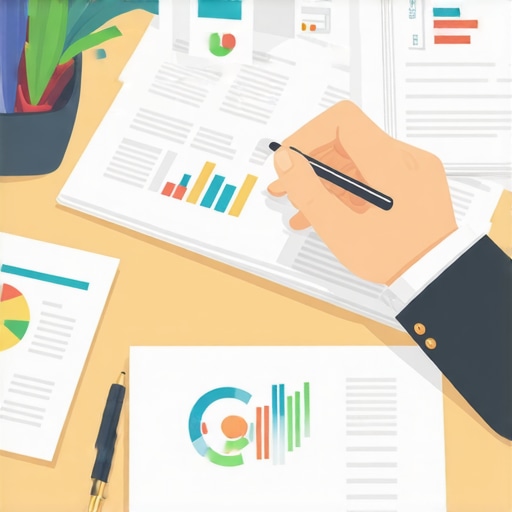
For visual learners, here’s an infographic illustrating the step-by-step process of building business credit, emphasizing each crucial stage from planning to monitoring.
Many people assume that managing debt and building credit revolve around simple actions like paying bills on time or avoiding new debt. However, seasoned financial professionals understand that there’s a lot more nuance involved. A common myth is that aggressively paying down debts will instantly boost your credit score, but in reality, rapid debt payoff can sometimes temporarily lower your score due to changes in your credit utilization ratio or the closing of old accounts. This trap can misleadingly signal to lenders that your credit activity has decreased or shifted unexpectedly. According to a study by Counsel Credits, understanding the subtleties of your credit report is essential to navigating these pitfalls.
Another widespread misconception is that credit counseling is only for those in financial trouble. In truth, proactive counseling can help you optimize your credit strategies and identify hidden issues that may be undermining your scores. Many skip this step, only to discover costly errors or missed opportunities later. One advanced mistake is attempting DIY credit repair without understanding the complexities of credit bureaus’ dispute processes. Failing to follow best practices can result in frustrated attempts, or worse, inadvertently damaging your credit further. For detailed techniques, see Effective Credit Repair Tips.
Now, let’s address a question: What about the impact of debt management plans—are they always beneficial? While these plans can be powerful tools, they can also carry drawbacks if not implemented carefully. For example, enrolling in a debt management program might require closing certain credit accounts, which could lower your overall credit mix and, temporarily, your score. This is a strategic move, but one that must be approached with full awareness of the potential short-term consequences. According to Counsel Credits, tailored advice from experts can make all the difference in harnessing these strategies effectively.
Finally, beware of the allure of quick fixes like credit repair software or unauthorized methods promising instant improvements. Such shortcuts often violate credit bureaus’ policies and can lead to penalties, including the risk of legal action or increased skepticism from lenders. Instead, adopt a comprehensive, disciplined approach—building and repairing credit is a marathon, not a sprint. For strategies backed by authoritative research, consider reading Myth Busting in Credit Repair.
Do you see how understanding the hidden nuances of debt and credit management can prevent costly mistakes? Recognizing these pitfalls allows you to craft smarter, more resilient financial plans. Have you ever fallen into this trap? Let me know in the comments.
Maintaining and optimizing your credit profile over time requires more than just initial setup; it hinges on using the right tools and establishing disciplined routines. Personally, I rely heavily on software like Mint for budgeting and expense tracking because it provides real-time insights into my spending patterns, helping me identify areas where I can reduce debt or reallocate funds to accelerate my credit goals. Additionally, credit-building hacks are vital for short-circuiting slow progress and capitalizing on small gains that lead to significant improvements in your scores.
For maintaining my debt management plan, I use Trello boards to track repayment schedules and visualize my progress, ensuring I stay on target. This method keeps me accountable and motivated. As debt reduction strategies evolve, I predict that automation and AI-driven analytics will become more prominent, offering personalized recommendations that adapt to your financial life, similar to the way credit counseling insights currently provide tailored advice.
How do I keep my credit management on track long-term?
One effective way to ensure ongoing success is to set recurring calendar reminders for reviewing your credit reports—at least quarterly. Regular monitoring using free tools like those provided by the credit bureaus helps catch inaccuracies early, preventing small issues from snowballing into credit disasters. I’ve found that integrating these reviews into my routine prevents complacency and helps me stay aligned with my financial objectives. Remember, the key to sustained credit health is consistency and the willingness to adapt your tools and strategies as your financial situation evolves. Start by trying out one recommended tool, like Mint or Trello, to get a tangible sense of how organized management can boost your credit journey. If you haven’t already, consider integrating automated alerts for due dates or suspicious account activity—these small actions can make a significant difference in maintaining your score’s integrity.
What I Wish I Knew When I Started Building Credit
One of the biggest surprises was realizing that consistency beats speed. Rushing to pay off debts or open multiple accounts at once can backfire, lowering your credit score temporarily. Patience and steady habits—like timely payments—building credit over time—are your best tools. Also, I underestimated how crucial it is to review every detail on your credit report; small errors can hold you back, yet many ignore them until it’s too late. Lastly, learning that not all credit advice fits every scenario was eye-opening—tailoring strategies based on your unique financial situation makes all the difference.
Tools, Resources, and Insights That Changed My Approach
My go-to resource is Credit Counseling Insights. It offers personalized guidance on avoiding common pitfalls and understanding the nuances of credit reports. For managing debts effectively, Debt Management Secrets provided actionable strategies that helped me prioritize payments without feeling overwhelmed. When it came to repair, I relied on Effective Credit Repair Tips, which demystified complex dispute processes. Finally, I found that dedicated tools like Mint and Trello keep my financial goals on track and foster accountability.
Your Next Step in Taking Control of Your Credit Future
Building a strong credit profile requires both knowledge and action, but the journey is absolutely worth it. Every positive step you take today—be it reviewing reports, managing debts, or educating yourself—paves the way for greater financial freedom tomorrow. Remember, real change comes from ongoing commitment, not quick fixes. If you’re ready to transform your credit story, start now with small, consistent actions. Your brighter financial future is within reach—embrace it today and watch your confidence soar. What’s one credit-building habit you’re planning to implement this week? Share below—I’d love to hear your plans!